Jordan Middle East culture as the soul of luxury stays
Luxury hotels in Jordan feel different because local culture is not background décor but the main story. In this Middle East destination, high end properties in Amman, Petra, and by the Dead Sea weave Jordanian traditions into every detail, from the first greeting in Jordanian Arabic to the last sip of Arabic coffee. Guests who value culture, comfort, and time well spent quickly realise that engaging with Jordanian culture transforms a simple stay into a meaningful journey.
In Amman, premium hotels often frame sweeping views of the city’s hills with interiors inspired by regional heritage and Middle Eastern design. Marble lobbies are softened by handwoven Bedouin rugs, while curated art collections highlight Jordanian women artists and the country’s ancient narratives. At properties such as the St. Regis Amman or the Four Seasons Hotel Amman, this blend of contemporary lines and cultural references gives people a refined way to engage with culture in Jordan without leaving the property.
Along the Dead Sea, luxury resorts use Jordan’s heritage as a compass for wellness and hospitality. Therapists explain how local people have used mineral rich mud and salt for generations, connecting modern spa rituals to long standing healing customs. When you visit Jordan for a premium escape, these thoughtful cultural touches help you feel the country’s rhythm long before you join any guided tours.
From Amman to Petra and Wadi Rum: cultural itineraries shaped by your hotel
High end hotels in Amman increasingly act as cultural concierges, curating private Jordan tours that highlight both historic sites and everyday Jordanian life. A well connected concierge might arrange a morning in the old downtown, where you hear Jordanian Arabic in the souks, then an evening performance at the Roman Theatre that reveals how people use ancient spaces today. Some properties even coordinate after hours access to archaeological sites, and platforms such as Jerash after hours experiences show how culture, light, and silence reshape your sense of time.
When you travel south toward Petra, luxury hotels near the Petra Wadi entrance design cultural itineraries that go beyond the postcard view of the Treasury. Expert guides explain how Nabataean engineers carved water channels into the wadi cliffs, linking Jordan’s desert culture to trade routes that once connected this country with the wider Middle East. Back at your hotel, curated talks on Jordanian customs and local traditions help you process the day’s impressions in comfort.
In Wadi Rum, premium desert camps reinterpret luxury through Bedouin culture and the vastness of the desert sky. Instead of marble bathrooms, you might find spacious canvas suites with proper beds, hot water, and panoramic views of the wadi’s sandstone towers. These properties often organise small group excursions by 4x4 or camel, where Bedouin people share stories about seasonal migrations, star lore, and the best time to cross certain valleys.
Slow travel, jordanian hospitality, and the rhythm of jordan days
Many luxury travellers now seek slow travel, and Jordan responds with premium stays that stretch Jordan days into unhurried cultural experiences. Rather than rushing from Amman to Petra and Wadi Rum in a few days, high end itineraries encourage you to spend more time in fewer places and feel the country’s living heritage more deeply. Thoughtful planning platforms, such as those promoting slow Jordan travel and three night stays, show how longer visits support local people and preserve community traditions.
Premium hotels increasingly collaborate with local communities so that guests can experience Jordanian culture without voyeurism. A property in the highlands might arrange a guided walk with farmers, followed by a lunch of Jordanian cuisine cooked in a family home, where you hear Jordanian Arabic and Arabic coffee cups clink in the courtyard. These curated encounters respect social etiquette, ensure fair payment, and give women and men equal chances to share their stories.
In the desert, slow travel means lingering in Wadi Rum as the light changes on the sandstone cliffs. Luxury camps often suggest at least two Jordan days so guests can join sunrise hikes, afternoon tea with Bedouin hosts, and night time stargazing that links ancient myths to modern astronomy. One guest described sitting by the fire as “the moment Jordan stopped being a place on the map and became a conversation under the stars,” capturing how this slower rhythm lets you feel how Jordanian life has always adapted to the desert’s demands while keeping hospitality at its core.
Inside the luxury room: how jordanian craft and cuisine shape your stay
Step into a premium suite in Amman or Petra, and you often step into a gallery of Jordanian craft. Headboards may be upholstered in textiles inspired by Bedouin patterns, while lamps echo the geometry of ancient mosaics from Madaba and other parts of the country. Articles such as this feature on Jordanian craft in hotel design show how local artisans and luxury brands collaborate to keep traditional skills alive.
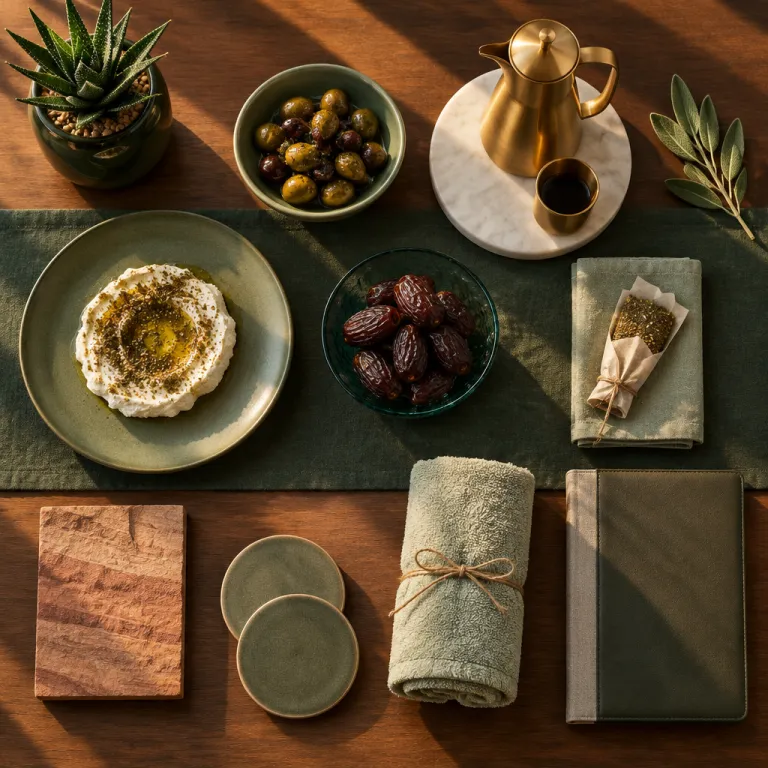
Food is another powerful gateway into Jordan’s Middle Eastern culture, and high end hotels treat Jordanian cuisine as a signature experience rather than a side option. Breakfast buffets might feature labneh, za’atar, and freshly baked taboon bread, while dinner menus reinterpret mansaf and maqluba with fine dining techniques. Chefs often explain how these dishes express Jordanian identity, from Bedouin lamb cooked in the desert to coastal influences that entered the country through trade.
Many properties now host Arabic coffee ceremonies in their lounges, where staff explain the etiquette that surrounds this drink in Jordanian society. Guests learn how the way coffee is poured, offered, and accepted reflects customs of respect, welcome, and farewell. Hearing these stories in Jordanian Arabic, with translation when needed, helps people connect the taste in their cup to the wider culture they are exploring.
Designing cultural experiences: from king abdullah mosque views to desert nights
Some of the most memorable luxury stays in Jordan are defined by their views of cultural landmarks. In Amman, several premium hotels frame the blue dome of the King Abdullah I Mosque, allowing guests to watch how light and time transform this symbol of Jordanian faith throughout the day. From sunrise calls to prayer to evening traffic, the scene outside your window becomes a living lesson in everyday life in the capital.
In Petra, high end properties often orient rooms and terraces toward the surrounding wadi landscape, reminding guests that the ancient city is carved into living rock rather than isolated ruins. Curated talks with archaeologists or licensed guides help people understand how Petra Wadi routes once linked this country to the wider Middle East through trade in incense, spices, and textiles. These conversations turn a simple overnight stay into a deeper engagement with Jordan’s layered history.
Wadi Rum offers a different kind of design, where luxury is measured in silence, stars, and the warmth of Bedouin hospitality. Premium camps use low impact architecture that respects the desert, while still offering comfortable beds, private bathrooms, and refined dining under the open sky. Guests often say that a night in Wadi Rum, listening to stories in Jordanian Arabic by the fire, is one of the most powerful things Jordan offers to those who value both comfort and culture.
Practical guidance: choosing the right luxury hotel for culture led travel
When you plan to visit Jordan with culture at the heart of your trip, the hotel you choose matters as much as the sites you see. Start by checking how each property describes its connection to Jordanian heritage, from partnerships with local guides to support for community projects involving women and youth. A hotel that speaks clearly about local customs, Jordanian cuisine, and responsible tours is more likely to offer meaningful experiences.
Timing also shapes your stay, so think carefully about the best time for your journey. Cooler months usually offer the best time for walking tours in Amman, exploring Petra’s ancient paths, and spending nights in the Wadi Rum desert without extreme heat. During peak seasons, booking early through a trusted luxury and premium platform helps you secure rooms with cultural views, whether that means the Dead Sea shoreline, a historic wadi, or a skyline that includes the King Abdullah I Mosque.
Finally, look for hotels and Jordan tours that treat people and places with respect, not as backdrops. Read how they talk about Bedouin hosts, local artisans, and the communities that keep Jordan’s culture alive every day. When a property invests in training staff in Jordanian Arabic, celebrates traditions in its programming, and offers transparent information about excursions, you can trust that your stay will honour both comfort and culture.
Key figures on luxury travel and jordan middle east culture
- The Jordan Tourism Board has reported that cultural and heritage travel accounts for a significant share of international arrivals, with Petra, Wadi Rum, and the Dead Sea consistently ranking among the most visited sites in the country, underscoring how Jordan’s cultural assets drive demand for premium stays.
- According to the World Travel & Tourism Council’s 2023 Economic Impact Report for Jordan, travel and tourism contributed around 13 % of Jordan’s GDP, and a substantial portion of this value comes from higher spending visitors who favour luxury and premium hotels that integrate Jordanian culture into their services.
- UNESCO lists Petra and Wadi Rum as World Heritage Sites, and visitor management plans for these areas increasingly involve partnerships with local communities and high end operators, ensuring that luxury travel supports both conservation and living traditions.
- Surveys by regional hospitality consultancies show that guests who participate in at least one cultural activity, such as a guided tour with Bedouin hosts or a Jordanian cuisine workshop, report higher satisfaction scores and are more likely to recommend Jordan tours to friends and family.
FAQ about luxury cultural stays in Jordan
What is the best time to book a luxury cultural trip to Jordan ?
The best time for a culture focused journey is usually during the cooler months, when walking tours in Amman, Petra, and Wadi Rum are more comfortable. These periods allow you to spend longer Jordan days exploring ancient sites and engaging with local people without extreme heat. Premium hotels often offer cultural packages during these seasons, combining guided Jordan tours with curated in house experiences.
How can I ensure my luxury hotel stay supports jordanian culture responsibly ?
Look for hotels that clearly describe partnerships with local communities, use Jordanian cuisine and craft in authentic ways, and employ staff trained in Jordanian Arabic and cultural etiquette. Responsible properties usually highlight how they work with Bedouin guides in Wadi Rum, artisans in Amman, and families near Petra Wadi villages. Reading guest reviews about cultural activities and checking whether tours Jordan are small scale and respectful can also guide your choice.
Are luxury hotels in Jordan suitable for solo women travellers interested in culture ?
High end hotels in Jordan generally offer strong security, professional service, and staff who are used to welcoming solo women travellers. Many properties can arrange private or small group Jordan tours with vetted guides who understand culture customs and the expectations of international guests. Choosing a reputable luxury brand or a well reviewed independent property in Amman, Petra, the Dead Sea, or Wadi Rum can provide both comfort and access to Jordan’s cultural scene.
Can I experience Bedouin culture without sacrificing comfort in the desert ?
Yes, several premium camps in Wadi Rum combine Bedouin inspired hospitality with modern comforts such as proper beds, private bathrooms, and quality dining. These camps often organise guided excursions with local people, Arabic coffee ceremonies, and storytelling evenings in Jordanian Arabic under the stars. By choosing operators that limit group sizes and respect the desert environment, you can enjoy both luxury and an authentic window into Jordanian culture.
How many days should I plan for a culture rich luxury itinerary in Jordan ?
For a balanced experience of Jordan’s Middle Eastern culture, many travellers find that seven to ten Jordan days work well. This allows time for at least two nights in Amman, two in Petra, one or two in Wadi Rum, and a restorative stay by the Dead Sea. Spreading your time this way lets you enjoy both the country’s ancient sites and the cultural programming offered by luxury and premium hotels.