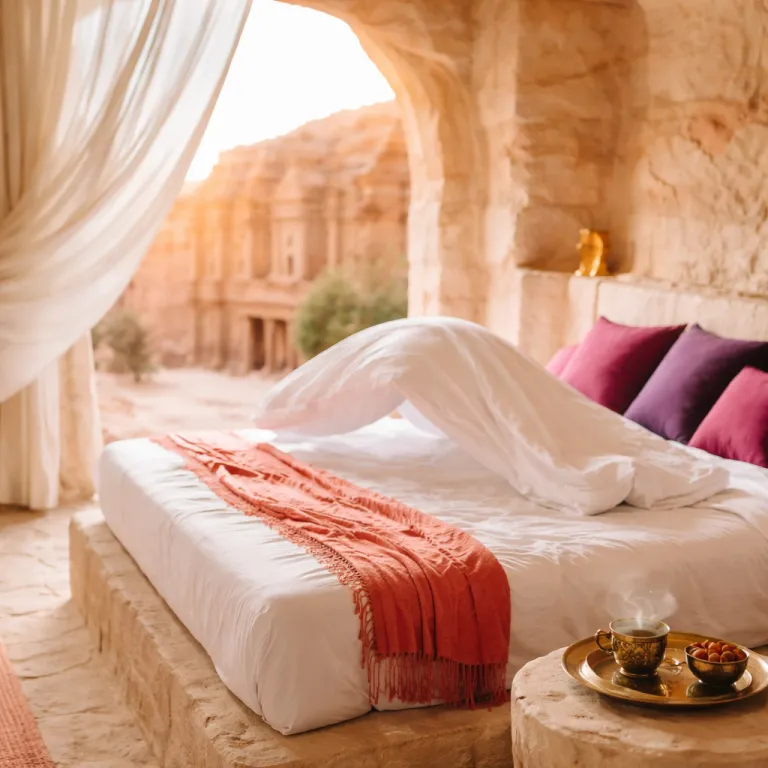
Why heritage hotels in Jordan suit culture curious families
Heritage hotels in Jordan turn a simple stay into a layered experience. In a single property you can move from Ottoman stone corridors to contemporary air conditioning and free WiFi, which matters when children need comfort after long days at archaeological sites. For many premium families, these historic hotels across Jordan offer an excellent balance between narrative rich spaces and practical rooms that actually work for younger travelers.
According to the Ministry of Tourism and Antiquities, Jordan now lists a small group of certified heritage style hotels and guesthouses, including restored properties such as Al Qantarah in Madaba, Jordan Heritage Madhafah in Al Salt and several traditional houses in Jabal Amman. The clearest definition still holds true: “A hotel preserving historical architecture and cultural significance,” and “Yes, they blend modern amenities with historical features,” so you are not trading hot showers for atmosphere. When you choose these characterful hotels, Jordan becomes less of a checklist of sites and more of a sequence of houses, caravanserais and mansions that explain why this country has always been a crossroads.
Families flying into Queen Alia International Airport usually start in Amman, where a heritage style hotel near the historic center lets you ease into the city. From a well restored house in Jabal Amman you can walk to Rainbow Street in around ten minutes, reach the Temple of Hercules on the Citadel by a short taxi ride of about fifteen minutes, and still return to rooms with strong air conditioning and city views. This kind of connection between heritage and comfort is what independent reviewers and specialist agencies look for when they assess each room category, from interconnecting rooms to suites that allow a baby cot without feeling cramped.
From Amman to Al Salt and the rise of lived in heritage
Amman is not only a gateway city; it is the best classroom for understanding how heritage hotels interpret urban history. In the older quarters of the capital, especially around Jabal Amman and Jabal Al Lweibdeh, restored houses now operate as intimate hotels where original tiles, arches and staircases frame the stay. These small properties often sit within walking distance of cafés, galleries and the downtown site of the Roman Theatre, which keeps logistics easy with children.
One of the most interesting projects beyond the capital is the Jordan Heritage Madhafah guesthouse in Al Salt, a traditional townhouse that overlooks the city’s layered hills. It shows how a heritage hotel in Jordan can support local artisans through restored woodwork, handwoven textiles and menus built around regional recipes. When you book here you are not only paying for a room; you are contributing to a preservation effort that uses traditional craftsmanship, local materials and cultural artefacts to keep the house alive.
Families often ask whether these properties feel too fragile for younger guests, yet the best historic hotels Jordan offers are surprisingly robust. Many now provide modern bathrooms, reliable climate control and sometimes even small courtyards where children can move around without disturbing other rooms. Parking in historic centers can be tight, so look for hotels that either include valet style solutions or sit close enough to the city center that you can arrive by taxi from Queen Alia or another international airport and then explore on foot.
Petra, Wadi Rum and the heritage desert arc
For most families, Petra is the non negotiable anchor of any journey through Jordan. Around Wadi Musa, the town that serves Petra, heritage inspired accommodation ranges from modest conversions of old stone houses to more ambitious projects in abandoned villages that have been turned into atmospheric hotels. The key is to separate properties that simply use the word heritage from those where the building itself tells a story that deepens your experience of the site.
Look for a hotel within short driving or walking distance of the Petra visitor center, because early starts matter with children. Some of the better heritage style hotels in this area offer rooms with terraces facing the mountains, giving genuinely stunning views at sunrise and sunset. You still want practicalities such as free WiFi, efficient air conditioning, flexible room configurations and quick access to parking for guests who are shuttling between Petra by day and the hotel by late afternoon.
From Petra many families continue south to Wadi Rum, where the heritage element is less about old stone and more about Bedouin desert traditions. While most camps are new builds, a few lean into heritage through tent designs, storytelling and stargazing that explain how caravans once crossed this part of the country. If you want a deeper cultural connection across Jordan, consider combining a night in a heritage hotel near Petra with a more comfortable desert camp in Wadi Rum, then finishing with a resort at the Dead Sea where children can float while parents enjoy the contrast between mineral rich water and the historical sites already visited.
Karak, Jerash and the northern heritage circuit
South of Amman, Karak rises above the King’s Highway with its Crusader castle dominating the city. Heritage focused accommodation here is still limited, yet a small cluster of guesthouses and characterful hotels near the castle make Karak an excellent pause between Amman and Petra. Families who stay overnight rather than rushing through gain a quieter experience of the fortress and the surrounding streets, especially in the early evening when day trippers have gone.
To plan this stretch with nuance, read a detailed guide to a refined journey along the King’s Highway in Jordan, which maps how Karak fits into a broader cultural route. In town you will not find large pools or sprawling kids’ clubs, but you will find rooms inside older houses where thick walls keep temperatures stable and air conditioning is a backup rather than a necessity. Parking for guests can be tight in the city center, so confirm arrangements with your chosen hotel before arrival, especially if you are driving from Queen Alia or another international airport with a rental car.
North of Amman, Jerash offers one of the best preserved Roman sites in the region, and staying nearby turns a day trip into a richer experience. A handful of small hotels and family run houses around the city give you early or late access to the ruins, when the light is soft and the crowds thin. For premium families, combining Jerash with a heritage style hotel in Jabal Amman or near Rainbow Street creates a northern loop that balances archaeological intensity with city views, cafés and easy access to the Temple of Hercules and other central sites.
How to choose and link heritage stays for a four night itinerary
When you compare heritage hotels across Jordan, think in terms of authenticity tiers rather than star ratings alone. Some properties are genuine restorations of historic houses or caravanserais, while others are new builds with heritage themed décor that still offer an excellent family friendly experience. Both can work, but only the first group truly embeds you in the architectural story of the country and its cities.
For a four night heritage focused itinerary, one smart route starts in Amman with a night in a restored house in Jabal Amman or the old city center. From there drive the King’s Highway via Karak, staying in a small heritage style hotel near the castle before continuing to Petra for a night in a converted village property within easy reach of the main site. Finish with a night either back in a heritage hotel in Amman or in a characterful property near Jerash, depending on your flight time from Queen Alia or another international airport.
Throughout this loop, keep a checklist of essentials that matter for families: free WiFi for planning and downtime, flexible room options, reliable air conditioning or heating, and clear information about parking for guests. Chain properties such as Al Manara, a Luxury Collection Hotel in Aqaba, show how international brands attempt a heritage aesthetic, while independent restorations like the Jordan Heritage Madhafah in Al Salt or Feynan Ecolodge in Dana Biosphere Reserve lean into deeper cultural and environmental narratives. Whichever style you choose, the right sequence of hotels turns Jordan from a series of disconnected sites into a coherent journey through houses, cities and landscapes that children will remember long after the trip ends.
Frequently asked questions about heritage hotels in Jordan
What defines a heritage hotel in Jordan ?
In Jordan a heritage hotel is usually located in a historic building that retains original architectural elements such as stone walls, arches or traditional courtyards. The property must have a clear link to the cultural or social history of its city or region. Modern comforts like air conditioning and free WiFi are added carefully so they do not erase the character of the rooms or public spaces.
Are heritage hotels in Jordan suitable for families with children ?
Many heritage hotels across Jordan are well suited to premium families, especially those that offer larger rooms, interconnecting layouts or suites. Thick walls and enclosed courtyards can make these hotels quieter and more secure than some modern high rises. Always check in advance about staircases, baby cots and parking for guests, because historic houses sometimes have limited lifts or narrow entrances.
How far are heritage hotels from major sites like Petra and Jerash ?
In Petra most heritage style hotels sit in or around Wadi Musa, usually a short drive or reasonable walking distance from the visitor center. Around Jerash, characterful houses and small hotels are often located in nearby villages or on the edge of the city, giving quick access to the archaeological site while remaining calm at night. In Amman, staying in Jabal Amman or near Rainbow Street keeps you close to the Temple of Hercules, the Roman Theatre and other central sites.
Do heritage hotels in Jordan provide modern amenities such as WiFi and air conditioning ?
Yes, the majority of heritage hotels in Jordan have been upgraded with reliable air conditioning, modern bathrooms and free WiFi. The best restorations hide these systems within existing structures so that cables and units do not dominate the rooms. You should still confirm details such as heating in winter and WiFi coverage in thicker walled houses, especially if you plan to work during your stay.
Why choose a heritage hotel instead of a standard city hotel ?
Choosing a heritage hotel in Jordan turns your accommodation into part of the journey rather than just a place to sleep. You gain a direct connection to the history of the city or region, whether that is an Ottoman era house in Al Salt or a stone built property near Petra. For many travelers this deeper experience justifies trading a large lobby or pool for atmosphere, storytelling and a stronger sense of place.
References
Jordan Tourism Board; Jordan Heritage; Ministry of Tourism and Antiquities Jordan.