When jordan olive harvest season shapes luxury travel plans
September in northern Jordan arrives with a quiet anticipation. As the climate cools and the first rain teases the hills, families begin to talk about the jordan olive harvest season and how the trees have fared after any summer drought. For premium travelers planning a stay, this is the moment when a simple hotel booking can become a harvest experience woven into the rhythm of the land.
Across northern Jordan, from Ajloun to Jerash and down toward Irbid, the landscape shifts into a mosaic of silver green olive trees that have anchored local history for thousands of years. The jordan olive harvest season usually stretches from mid October through early November, with some farmers starting earlier in higher, cooler olive groves and others waiting for the fruit to darken and the oil to mellow. Choosing your dates within this harvest season is as important as choosing your room category, because each week brings a different balance of olive picking, pressing and tasting opportunities.
For families booking luxury stays, the most rewarding window often falls between mid October and early November, when the majority of olive groves in northern Jordan are alive with activity. During this period, a single day can move from a refined breakfast featuring new season jordanian olive oil to an afternoon walking among ancient olive trees with local farmers. If you are still deciding when to travel, consult a specialist guide to the best month to visit Jordan for luxury hotel stays, such as the planning advice on choosing the best month to visit Jordan for luxury hotel stays, then align your itinerary with the jordan olive harvest season for maximum culinary immersion.
Ajloun, Jerash and Irbid: where olive groves meet family friendly luxury
In the hills of Ajloun and Jerash, the jordan olive harvest season feels almost ceremonial. Here, olive groves climb the slopes in tight terraces, and many families can trace years olive by years olive, remembering which harvest brought generous rain and which suffered from drought. Luxury forest lodges and premium countryside retreats in this Ajloun Jerash corridor have learned to build the harvest experience into their autumn programming for guests who want more than a pool and a view.
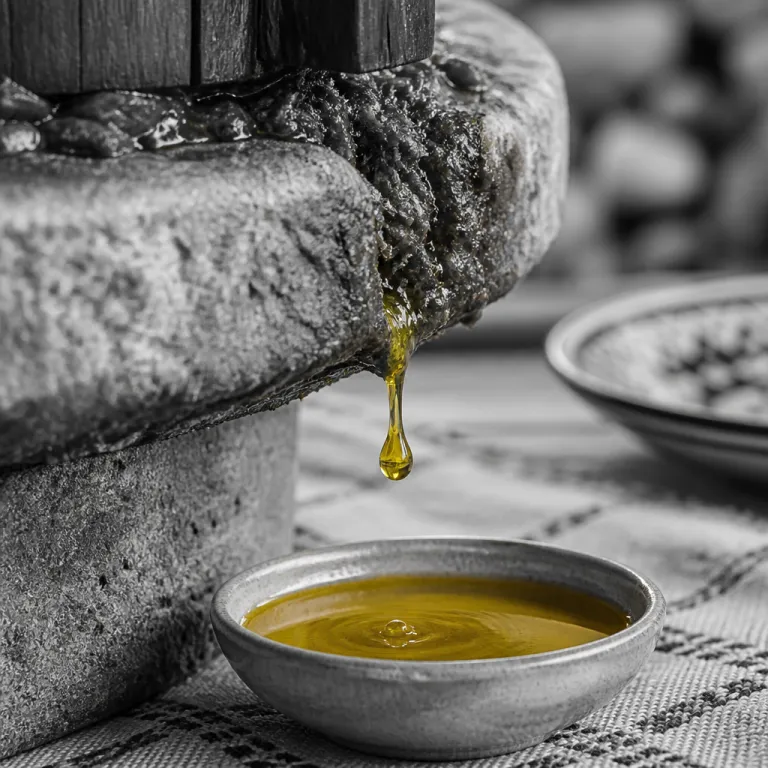
On a clear october day, your driver can take you from a stone clad lodge above Ajloun to a family run mill where farmers arrive in pick up trucks that literally bring olives straight from the fields. Children watch as crates of olives are poured into stainless steel hoppers, then follow the fruit through washing, crushing and the first flow of virgin oil that will later be refined into extra virgin quality. Many mills in northern Jordan now use modern cold press systems, yet they often keep a traditional stone press on site to show how ancient olive processing once shaped local history and trade across the Middle East.
Families who prefer to base themselves in Irbid can still reach the main olive trees belts of Ajloun Jerash within an hour, making day trips easy even with younger children. A typical harvest day might combine gentle olive picking in shaded olive groves with a late afternoon visit to Jerash, where you can walk the colonnades after the tour buses leave and feel the city’s Roman layers. For a deeper sense of how this archaeological site transforms in quieter hours, read about Jerash after hours when the columns empty out before planning your own dusk stroll between the stones.
From olive picking to pressing: inside a jordanian harvest experience
Spending a day inside the jordan olive harvest season is less about staged activities and more about joining a working rhythm. You arrive at the grove mid morning, when the sun is soft and the climate still cool enough for children to move comfortably between the trees. Farmers hand out simple tools and nets, then show you how to ease each olive from the branch without bruising the fruit or the bark.
Some families prefer to focus on gentle olive picking, letting younger children gather fallen olives while adults work higher branches, turning the harvest into a shared game rather than a chore. Others are drawn to the technical side of the harvest experience, following the crates as they leave the olive groves and reach the mill, where stainless steel machinery hums beside older stone presses. At many mills in northern Jordan, you can taste the first stream of virgin oil directly from the spout, then compare it with bottled extra virgin olive oil from the previous year to understand how the jordan olive harvest season shapes flavor and texture.
Luxury hotels that curate these experiences usually balance authenticity with comfort, arranging private transfers, shaded rest areas and flexible timing in case of unexpected rain. They also understand that families travel with different appetites for immersion, so you might spend only half a day in the fields and the rest by the pool, or commit to a full day that ends with a simple jordanian meal cooked by the farmer’s family. To extend the cultural arc of your trip beyond the groves, consider pairing your visit with an evening performance at Jerash, using guides such as the analysis of why the Jerash night sessions matter most to time your stay.
How jordanian tables translate the first press into autumn menus
The real magic of the jordan olive harvest season appears on the plate. In Amman’s smarter dining rooms and in the dining halls of northern lodges, chefs wait for the first extra virgin runs to arrive in stainless steel containers from trusted mills in Ajloun, Jerash and Irbid. Once that new season olive oil reaches the kitchen, menus shift subtly, and regular guests know this is the moment to book a table.
Breakfast becomes a quiet celebration of the harvest, with shallow dishes of jordan olive oil poured beside bowls of za’atar, ready for families to tear warm taboon bread and dip it in the peppery green liquid. Many hotels offer tasting flights that compare early harvest oil from mid October with smoother, golden batches pressed in early November, explaining how rain patterns, drought stress and the age of the olive trees influence flavor. Children often enjoy this as a sensory game, learning to identify which oil feels grassy, which tastes fruity and which carries the slight bitterness that signals a robust extra virgin profile.
Dinner menus echo the same theme, weaving olive oil into musakhan, grilled vegetables and even desserts that use a delicate jordanian oil instead of butter for a lighter finish. Some luxury properties host temporary harvest season jordan menus, inviting farmers to speak about their groves and the history behind specific ancient olive varieties that have survived in northern Jordan for generations. For food curious families, these evenings turn a simple stay into a layered experience, where every dish tells a story that began in the grove and ended at a linen covered table.
Choosing the right hotel for an olive focused family itinerary
Aligning your hotel choices with the jordan olive harvest season requires a little strategy. Properties in northern Jordan, especially around Ajloun, Jerash and Irbid, offer the most direct access to olive groves and mills, while Amman provides higher service levels and more varied dining that showcases jordanian olive oil in sophisticated ways. The ideal itinerary for a premium family often combines both, using the city for comfort and the countryside for hands on harvest experience.
When evaluating hotels, look for teams that speak fluently about the harvest season jordan calendar rather than treating olive harvest as a generic excursion. Ask whether they partner with specific farmers, how far the olive trees are from the property and whether you can join both olive picking and mill visits on the same day. Some of the best run places will also explain how climate shifts, such as heavier rain or longer drought periods, might move the jordan olive harvest season slightly from one year to the next, then adjust your activities accordingly.
Families should also consider practical things such as room layouts, pool heating in october, and whether the property can prepare simple packed lunches for days in the olive groves. A few luxury hotels now offer to store any tins of olive oil you buy, keeping them cool and upright so you can safely bring olives and oil home without worrying about leaks in your luggage. Over several years olive focused trips can become a quiet family tradition, with children remembering not just the hotel names but the feel of the soil, the shape of the ancient olive trunks and the taste of that first drizzle of new season oil on warm bread.
FAQ
When is the best time to experience the jordan olive harvest season ?
The most active period of the jordan olive harvest season usually runs from mid October to early November in northern Jordan. During these weeks, olive picking, mill operations and tastings all happen at once, giving travelers a complete harvest experience. Outside this window, some groves may still be active, but the energy and variety of activities are lower.
Which regions are best for families interested in olive groves and mills ?
Ajloun, Jerash and the wider Irbid area in northern Jordan offer the most accessible combination of olive groves, mills and family friendly accommodations. These regions sit at higher elevations, where the climate suits olive trees and the history of cultivation runs deep. From many lodges, you can reach working groves within a short drive, making half day trips easy with children.
Can children safely join olive picking during harvest season jordan ?
Yes, children can usually join olive picking as long as the terrain is not too steep and they are supervised. Many farmers welcome families, assigning younger guests to gather olives from nets or lower branches while adults handle ladders and tools. Hotels that regularly arrange harvest visits will know which groves are safest and most comfortable for different ages.
How should I transport olive oil home from Jordan ?
Buy olive oil in sealed tins or bottles from reputable mills or hotel partners, ideally labeled as extra virgin with harvest dates. Keep containers upright in your luggage, wrapped in clothing for cushioning, and avoid exposing them to heat during your journey. Some luxury hotels will store your purchases in cool rooms until departure, then help you pack them securely.
Do I need to book harvest experiences in advance with my hotel ?
Advance booking is strongly recommended, especially during peak mid October to early November dates. Hotels need time to coordinate with farmers and mills, since daily schedules depend on weather, rain and the volume of olives arriving from the groves. Reserving early also gives you a better chance of aligning your stay with the most active days of the jordan olive harvest season.