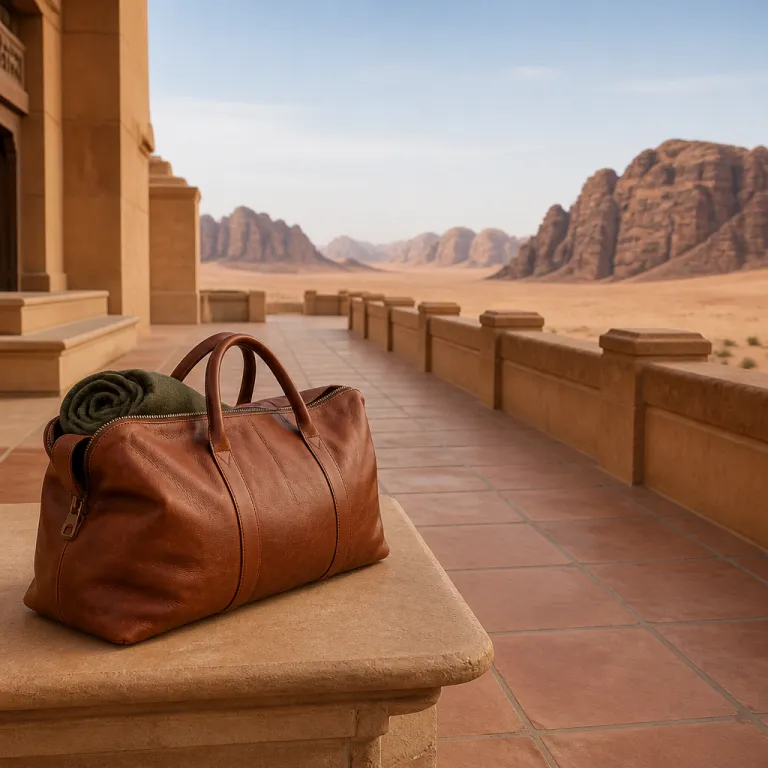
Jordan travel guide for luxury seekers: how a hotel shapes your journey
Jordan rewards travelers who treat the hotel as part of the journey, not just a place to sleep. When you plan a premium stay, this Jordan travel guide helps you align each property with the rhythm of your travel time and the character of every landscape. Thoughtful choices turn a simple trip into a full narrative that connects Amman, Petra, Wadi Rum, the Dead Sea, and the Red Sea.
In Amman, a luxury hotel overlooking the city gives you a refined base for visiting Jordan by day and returning to calm at night. Many guests staying at properties such as the Four Seasons Hotel Amman or The St. Regis Amman describe how beginning their Jordan experience in the capital allowed them to adjust to local time gently, meet residents in cafés, and collect early recommendations before heading south. One guest summed it up as “two days of soft landings and strong coffee before the desert,” a first chapter that sets expectations for service levels, spa standards, and concierge expertise across the rest of your Jordan itinerary.
Moving from Amman to the ancient city Petra changes the tone of your travel experience completely. Here, premium hotels near the Petra entrance, including Mövenpick Resort Petra and Petra Guest House, allow early access so you can walk through the Petra Siq before the day crowds arrive and the desert heat builds. With the right property, every day in Jordan begins with quiet views of rock formations and ends with fine dining that reflects both Middle Eastern flavors and international techniques.
Further south, Wadi Rum demands a different style of luxury, one that respects the desert while still feeling indulgent. High-end camps in Wadi Rum such as Memories Aicha Luxury Camp and Sun City Camp offer glass-fronted tents, private decks, and stargazing platforms that make you feel close to the sand yet fully comfortable. Travellers often arrive expecting only rugged terrain, but premium camps prove that travelling through this wadi can be both adventurous and deeply restful.
Along the Dead Sea and the Red Sea, luxury hotels become wellness- and water-focused retreats. At the Dead Sea, spa resorts like Kempinski Hotel Ishtar Dead Sea use mineral-rich mud and salt pools, while at the Red Sea, premium beach hotels in Aqaba pair coral reef access with refined service and long seafront promenades. A well-planned Jordan itinerary balances these sea stays with time in the desert, ensuring your trip feels varied, not repetitive.
Throughout this Jordan travel guide, the Jordan Tourism Board and the Ministry of Tourism and Antiquities remain quiet but important actors. They support hotels, local tour operators, and airlines with digital tools, interactive maps, and safety standards that make visiting Jordan straightforward for luxury guests. Their efforts help ensure that when people travel to Jordan for premium stays, they experience both comfort and authentic contact with local culture.
Best time and Jordan time: aligning luxury stays with the seasons
Choosing the best time for a luxury trip to Jordan is as important as choosing the right hotel. In this Jordan travel guide, seasonality shapes everything from room rates to how long you can comfortably stay outside in the desert or by the sea. Spring and autumn usually offer the best balance of pleasant temperatures, softer light, and manageable crowds for visiting Jordan in comfort.
In Petra, the average daily temperature in spring hovers around 25 °C, which many people consider ideal for long walks among ancient rock formations. During this period, a premium hotel near the Petra gate lets you start each day early, reach the Treasury before the main groups, and return to a shaded pool by midday. When you read any serious Jordan travel guide, you will see that timing your Petra visit is one of the most valuable travel tips.
Wadi Rum responds differently to Jordan time and the seasons, especially for luxury camps. The best time to sleep under the stars in Wadi Rum is usually when nights are cool but not cold, which makes high-thread-count linens and open-sky decks feel indulgent rather than harsh. Many travellers plan at least one full day in this wadi, arriving by late afternoon to watch the desert change colour before dinner.
Along the Dead Sea, heat can be intense in peak summer, which affects how you use spa facilities and outdoor pools. For a premium wellness-focused travel experience, consider shoulder seasons when you can float in the Dead Sea comfortably and still enjoy long evenings on your balcony. Luxury hotels here often design their treatment menus around the best time of day for mud wraps and salt soaks, aligning services with both climate and guest energy levels.
The Red Sea coast near Aqaba offers a different seasonal rhythm, especially for diving and snorkelling. When planning a Jordan itinerary that includes the Red Sea, check water visibility, wind patterns, and cruise schedules, then match them with your preferred time of day for activities and relaxation. A high-end beach hotel can advise on the best time for private boat charters, ensuring your trip feels both exclusive and well paced.
For a deeper look at seasonal patterns and how they affect premium stays, many travellers consult specialised resources on the best time to travel to Jordan for a luxury stay. Aligning your booking window with these insights helps you secure suites with better views, more flexible cancellation policies, and access to signature experiences that may sell out quickly. In a competitive luxury market, timing often becomes the quiet advantage that shapes your entire Jordan travel story.
From Amman to the ancient city Petra: crafting a narrative of luxury
Every refined Jordan travel guide treats Amman and Petra as the twin pillars of a classic route. Amman offers layered history, contemporary dining, and polished hotels, while the ancient city Petra delivers drama, archaeology, and desert edges in a single day. The way you move between these places, and where you sleep along the way, defines the emotional arc of your trip.
In Amman, luxury hotels cluster around hilltop districts and business areas, giving sweeping views of the city and quick access to Roman ruins and galleries. Guests who begin their journey at properties such as W Amman or The House Boutique Suites often say that starting their travel experience here allowed them to meet local people in cafés, gather tailored recommendations from concierges, and adjust to Jordan time before heading into more remote landscapes. When you read a detailed Jordan travel guide, you will often find suggested two-night stays in Amman to balance sightseeing with spa time.
The drive from Amman to Petra can be either a simple transfer or a curated day of experiences. Some premium itineraries include stops at Madaba, Mount Nebo, or the Dead Sea, turning a direct road into a full narrative of Jordan’s religious and natural heritage. This approach to travel allows you to feel the country’s scale and variety before you even reach the Petra entrance.
Once in Petra, the choice of hotel becomes central to your Jordan itinerary. Properties near the Petra gate allow early access and late returns, while more secluded luxury stays offer quiet views of surrounding rock formations and the desert sky. Many travellers split their time, spending one night close to the entrance for practical visiting needs and another in a more remote property for rest.
High-end hotels around Petra often collaborate with licensed guides who specialise in less crowded trails. These experts help you explore Jordan beyond the main Treasury view, leading you through ancient tombs, high places of sacrifice, and viewpoints where you may share the landscape with only a few people. Such guided walks turn a standard travel day into a layered story of geology, archaeology, and local life.
For travellers who want to extend this narrative of refinement, side trips to places like Shobak Castle can add a distinctive chapter. Some luxury-focused platforms highlight how refined things to see in Jordan for high-end travellers include Crusader castles, private tastings, and curated desert drives rather than only headline sites. Linking these experiences with carefully chosen hotels ensures that your Jordan travel guide becomes a lived story, not just a list of stops.
Wadi Rum and the Dead Sea: desert silence and mineral rich luxury
Wadi Rum and the Dead Sea sit at the heart of many premium Jordan travel stories. One offers vast desert silence and dramatic rock formations, while the other delivers mineral-rich waters and spa-focused hotels by the sea. Together, they create a powerful contrast that many people describe as the emotional centre of their trip.
In Wadi Rum, luxury camps blend Bedouin heritage with contemporary comfort, often using glass domes or canvas suites to frame the desert. A thoughtful Jordan travel guide will encourage at least one full day here, allowing time for jeep tours, camel rides, and quiet hours watching light move across sandstone cliffs. When travelling through this wadi, guests often say they finally understand why Wadi Rum is called the Valley of the Moon.
These high-end camps rely heavily on local people, whose knowledge of the desert shapes safe and memorable experiences. Travellers may read about Wadi Rum as a harsh environment, but with expert drivers and guides, visiting Jordan’s southern desert feels both secure and deeply welcoming. Local recommendations on when to climb dunes, where to pause for sunset, and how to respect the land turn a simple excursion into a refined cultural exchange.
The Dead Sea offers a different kind of luxury, rooted in wellness and stillness rather than movement. Premium resorts line the shore, using the Dead Sea’s high salinity and mineral-rich mud in signature treatments that many guests describe as the highlight of their Jordan travel. Floating at the surface, with the desert hills behind you, can feel like a quiet counterpoint to the intensity of Petra and Wadi Rum.
Because the Dead Sea sits at the lowest point on earth, climate here can be more intense than in Amman or Petra. A careful Jordan travel guide will suggest the best time of day for floating, often early morning or late afternoon when the sun softens and the air feels more forgiving. Luxury hotels respond by designing shaded pools, indoor spa circuits, and private cabanas that let you enjoy the sea without constant exposure.
When planning a combined Wadi Rum and Dead Sea segment in your Jordan itinerary, consider how you want to feel at each stage. Some travellers prefer to visit Wadi Rum first for adventure, then move to the Dead Sea for recovery, while others reverse the order to arrive in the desert fully rested. Either way, aligning your route with your energy levels ensures that both the wadi and the sea become high points rather than rushed stops.
Red Sea retreats and hidden heritage: luxury beyond the classic circuit
While many Jordan travel stories focus on Amman, Petra, Wadi Rum, and the Dead Sea, the Red Sea and lesser-known heritage sites add depth for luxury guests. Aqaba’s coastline offers warm waters, coral reefs, and a growing collection of premium hotels that frame the sea as a calm finale to a busy trip. For travellers who value both relaxation and culture, this southern corner of Jordan can feel like a quiet reward.
High-end properties along the Red Sea often specialise in water-based experiences, from private yacht charters to guided snorkelling over coral gardens. A refined Jordan travel guide will highlight how these hotels coordinate with local people, dive centres, and marine experts to protect reefs while still offering memorable access. Many guests felt that ending their journey here allowed them to process earlier desert and city impressions in a softer, more reflective setting.
Beyond the coast, hidden heritage sites bring another layer to a premium Jordan itinerary. Places such as Shobak Castle, reached via scenic desert roads, combine Crusader history with opportunities for exclusive stays in nearby luxury properties. Some platforms describe Shobak Castle in Jordan where luxury stays meet a Crusader stronghold, showing how history and hospitality can share the same landscape.
These lesser-known stops often rely heavily on local recommendations, especially when it comes to dining, guiding, and timing. When you read a detailed Jordan travel guide, you may find suggestions for private picnics near rock formations, sunset viewpoints, or small museums that rarely appear in mass-market brochures. Such touches help people explore Jordan in a way that feels personal rather than generic.
For travellers interested in architecture and archaeology, extending time around secondary sites can be particularly rewarding. While Petra remains the headline act, smaller ruins, caravanserais, and desert castles reveal how ancient trade routes once linked the Middle East. Luxury hotels in these regions often arrange expert-led tours that connect these stories to the landscapes you have already seen in Petra and Wadi Rum.
By weaving the Red Sea and hidden heritage into your travel plan, you create a more balanced rhythm between activity and rest. This approach turns your Jordan travel guide into a layered narrative, where each day in Jordan offers a different mood, from sea breezes to desert silence and from ancient stones to contemporary design. The result is a trip that feels both comprehensive and carefully edited.
How to choose and book luxury hotels in Jordan with confidence
Selecting the right luxury hotel in Jordan requires more than scanning photos and star ratings. A serious Jordan travel guide encourages you to match each property with your priorities for that specific place and time. In a country where desert, sea, and city experiences sit only a few hours apart, context matters as much as comfort.
In Amman, consider whether you prefer a central address close to cafés and galleries or a hilltop retreat with wider views. People who plan to spend a full day exploring Petra later often use Amman as a softer landing, choosing hotels with generous spas and quiet lounges. When travelling for work and leisure combined, you may want business facilities by day and refined dining by night, all under one roof.
Near Petra, proximity to the entrance can be worth a premium, especially if you want to enter the Siq at first light. Some travellers felt that staying within walking distance allowed them to visit the ancient city twice in one day, returning to the hotel at midday to rest before an evening walk. Others prefer more secluded properties that frame distant rock formations and offer a stronger sense of retreat after visiting Jordan’s busiest site.
In Wadi Rum, the choice is between more traditional tented camps and high-design suites with glass walls and climate control. A thoughtful Jordan travel guide will remind you that temperatures can drop sharply at night, so check bedding quality, heating options, and bathroom arrangements before you book. Reading detailed reviews from people who have actually stayed in a specific wadi camp often reveals whether the experience feels truly premium or only visually impressive.
Along the Dead Sea and the Red Sea, spa facilities and water access become key decision points. At the Dead Sea, look for hotels with private beach areas, multiple pools, and serious wellness programmes rather than only basic mud trays by the shore. On the Red Sea, consider whether you want direct reef access, a quieter bay, or a livelier promenade, then match your expectations with the hotel’s actual setting.
Across the country, the Jordan Pass can simplify entry to many ancient sites, but it does not replace the need for careful hotel selection. When you read any reliable Jordan travel guide, you will see repeated advice to book early for peak seasons, especially if you want specific room categories or suites. Combining flexible rates with clear cancellation policies gives you room to adjust your itinerary as local recommendations and new ideas emerge.
Essential travel tips, safety, and the role of the Jordan Pass
Practical details underpin every successful luxury trip to Jordan, no matter how beautiful the hotels. A well-structured Jordan travel guide therefore includes clear travel tips on visas, safety, dress codes, and hydration, especially for people visiting Jordan for the first time. These basics may feel simple, yet they strongly influence how relaxed you feel in each place.
Visa policy is a common starting point, and here the Jordan Pass plays a central role. Do I need a visa for Jordan? Yes, most travelers require a visa; consider the Jordan Pass. This product can combine your visa fee with entry to major sites, streamlining your travel and often saving both time and money at borders and ticket offices.
Safety is another frequent concern for travellers heading to the Middle East. Is Jordan safe for tourists? Yes, Jordan is considered safe with low crime rates. Many people felt reassured once they arrived, noting the visible presence of security services and the calm, courteous behaviour of local communities in Amman, Petra, Wadi Rum, and along the Dead Sea.
Climate and clothing choices also shape your daily comfort, especially when moving between desert and sea. What is the best time to visit Jordan? Spring (March–May) and autumn (September–November) offer pleasant weather. During these periods, light layers, modest outfits for visiting religious or ancient sites, and sun protection make travelling between the wadi, the city, and the coast far more enjoyable.
Hydration deserves special attention in any Jordan travel guide, particularly for guests unused to dry heat. Simple travel tips such as carrying bottled water, taking regular shade breaks, and planning the most intense walks for early or late in the day can transform your experience of Petra and Wadi Rum. Luxury hotels support this by offering complimentary water, cool towels, and flexible meal times that respect the rhythm of desert and sea activities.
Behind the scenes, organisations such as the Jordan Tourism Board and the Ministry of Tourism and Antiquities work with local partners to enhance visitor experience. Their initiatives range from interactive digital maps to training for hotel staff and guides, all designed to help people explore Jordan with confidence. When you read a carefully prepared Jordan travel guide, you are seeing the visible result of this national effort to align comfort, culture, and economic growth through tourism.
Key figures for luxury and premium travel in Jordan
- Jordan welcomed around 6,100,000 tourist arrivals in 2019, according to the Jordan Tourism Board and national statistics, illustrating strong global interest in travel to Jordan and supporting continued investment in luxury hotels.
- The average daily temperature in Petra during spring reaches about 25 °C, based on Jordan Meteorological Department data, which many travellers consider the best time for long walks among ancient rock formations.
- Tourism authorities aim to increase visitor numbers further in the coming years, linking this growth to economic development and improved services for people visiting Jordan’s key sites such as Petra, Wadi Rum, and the Dead Sea.
- Interactive digital maps and mobile applications promoted by the Jordan Tourism Board help travellers optimise their Jordan itinerary, reducing wasted time between desert, sea, and city stays.
Frequently asked questions about luxury travel in Jordan
Do I need a visa and should I buy the Jordan Pass?
Most visitors require a visa to enter Jordan, which can often be obtained on arrival at major airports and land borders. The Jordan Pass combines visa fees with entry to many ancient sites, including Petra, and is particularly useful if your trip includes several days of sightseeing. For luxury travellers, it simplifies logistics so you can focus more on hotel experiences and less on ticket queues.
Is Jordan safe for high end travellers and solo guests?
Jordan maintains a reputation as one of the safer destinations in the Middle East, with relatively low crime rates in tourist areas. Luxury hotels in Amman, Petra, Wadi Rum, the Dead Sea, and the Red Sea typically have strong security protocols and discreet staff presence. As in any country, staying aware of your surroundings and following local recommendations will further enhance your sense of safety.
How many days should I plan for a luxury Jordan itinerary?
A balanced luxury Jordan itinerary usually runs from seven to ten days, allowing time for Amman, Petra, Wadi Rum, the Dead Sea, and possibly the Red Sea. With fewer days, you may need to choose between desert and sea, while longer trips allow slower pacing and more spa time. The key is to avoid packing too many hotel changes into a short travel window.
What should I wear when visiting ancient sites and cities?
Modest, breathable clothing works best for visiting Jordan’s ancient sites, religious locations, and urban neighbourhoods. Lightweight trousers or long skirts, covered shoulders, and comfortable walking shoes respect local customs while protecting you from sun and dust. In luxury hotels, resort casual attire is usually acceptable, with some fine dining venues expecting slightly more formal evening wear.
When is the best time for luxury travel Jordan experiences?
Spring and autumn generally offer the most comfortable temperatures for exploring Petra, Wadi Rum, and the Dead Sea, while still enjoying pool and spa facilities. Summer can be very hot, which may suit guests focused on resort stays by the sea but can make long desert walks challenging. Winter brings cooler weather and fewer crowds, appealing to travellers who prioritise tranquillity over swimming and sunbathing.