Jordan craft hotel design as a living gallery of hospitality
Step into a luxury hotel lobby in Amman and you are walking into a curated gallery of Jordanian craft–driven hotel design. The marble underfoot, the mosaic floors and the hand-carved stone panels are not decorative afterthoughts but the front line of Jordanian hospitality, quietly telling stories before a single guest is greeted. In the best hotels these crafted spaces turn a simple arrival into an experience that feels both contemporary and deeply rooted.
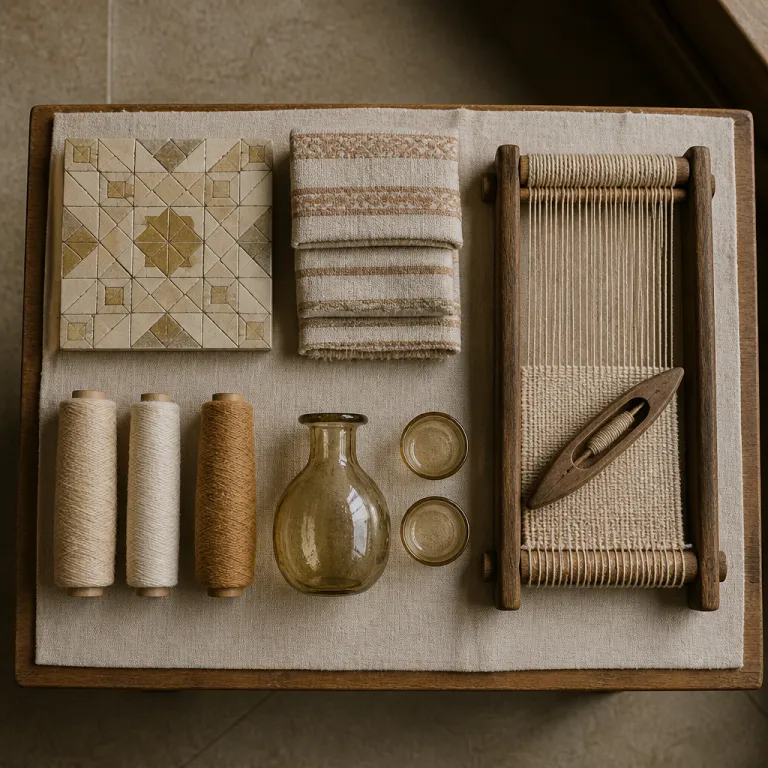
Design teams working on high-end hospitality projects in the city now treat local artisans as core collaborators, not just suppliers. Jordanian makers bring years of experience with mosaic tiles, Bedouin looms and Levantine glasswork, while international studios such as Gensler contribute global hospitality design standards and technology know-how. When this collaboration works, the result is a property where every surface, from lobby columns to pool terraces, reflects a human connection rather than a generic hotel experience.
In Amman, hotels like W Amman, St. Regis Amman and The Ritz-Carlton, Amman have turned this approach into a signature, each interpreting Jordan’s craft heritage through a different lens. One property leans into bold color and media-inspired art, another layers soft textiles and quiet lighting to create intimate spaces for couples. Across these hotels and resorts, the shared ambition is clear: to make every guest experience feel like a dialogue with the country rather than a night in an anonymous city tower.
Mosaic floors and walls that carry Byzantine and desert stories
Jordan’s mosaic tradition runs from Byzantine churches in Madaba to the polished lobby floors of today’s luxury hotels. When you see a cool stone surface under your feet in a Jordan-inspired craft hotel interior, you are often walking across thousands of hand-cut tesserae set by artisans trained at the Madaba Institute for Mosaic Art and Restoration. These mosaics turn circulation spaces into narrative maps, guiding guests through scenes of vines, animals and abstract geometry.
Hotel designers now commission both floors and vertical panels, using mosaic as architectural skin rather than framed art. In Amman’s leading hospitality properties, you might find a reception desk backed by a shimmering wall that references Umayyad desert palaces, or spa corridors paved with patterns echoing the Dead Sea’s mineral ripples. This is hotel design that treats every square metre as a storytelling surface, elevating the guest experience beyond standard marble slabs.
For couples choosing a hotel, it is worth asking how far the property goes with mosaic craft and how transparent it is about provenance. Some hotels and resorts import prefabricated tiles that imitate heritage, while others work directly with Jordanian artisans whose names appear in the hotel blog, on discreet plaques near lobby installations or in in-room directories. When a design team has invested in real workshops in Madaba or on Artisan Street and can point to specific studios or master mosaicists, the resulting spaces feel richer, and the overall stay gains a quiet depth that no amount of digital media or technology can replicate.
From Bedouin looms to your suite: textiles that frame the night
Long before Amman became a vertical city, Bedouin tents across the plateau were laboratories of interior design. Today, women’s cooperatives such as the Bani Hamida weavers and Safi Crafts projects translate those patterns into textiles that now line headboards, cushions and corridor runners in contemporary Jordan craft hotel design schemes. When you run your hand across a striped wool throw in a luxury suite, you may be touching a story that began on a village loom in Mukawir.
Thoughtful hotel teams commission both bold statement pieces and quieter weaves for layered comfort. In some Amman properties, guest rooms feature wall panels woven in desert reds and indigo, while lounges use softer neutrals to frame views of the city lights. These crafted textiles do more than decorate; they modulate acoustics, soften hard stone surfaces and create intimate spaces where guests can talk, read or share a late-night glass of Jordanian wine.
As you compare hotels and resorts on a booking site, look beyond the word luxury and study the fabrics in the photography. Properties that credit cooperatives or mention Bedouin looms in their design narrative usually offer a more authentic hospitality experience. For deeper context on how these crafted interiors shape romantic stays near Petra, consult independent guides on luxury hotel stays in Jordan, especially if you are planning a multi-stop itinerary that moves from desert camps to polished city towers.
Hebron glass, crafted amenities and the quiet art of the bar
In the low light of a hotel bar, Jordan’s craft-focused hotel design often reveals itself in the curve of a glass rather than the sweep of a chandelier. Hebron glass, with its green, blue and amber tones, has become a recognizable feature of regional hospitality, appearing as water tumblers, cocktail stems and pendant lights above marble counters. When these pieces are hand-blown rather than factory stamped, every sip carries a subtle irregularity that reminds guests of the human hands behind the object.
Some Amman properties extend this crafted approach to amenities, sourcing olive oil soaps from Ajloun Soap House or ceramics from rural ateliers. A hotel that places a hand-poured soap beside the basin or serves coffee in locally thrown cups is making a clear statement about its design priorities. It is choosing human connection and regional supply chains over anonymous imports, even when international airport logistics and global brands might make the latter easier.
There is, of course, a tension between genuine craft and mass-produced “heritage” decor in many hotel portfolios. Global groups inspired by destinations like Palm Springs, Costa Rica or San Francisco sometimes roll out lookalike concepts that flatten local nuance, even when they sit under respected flags such as Autograph Collection. When you see Hebron-style glass in a lobby, ask whether the hotel works with named artisans, lists suppliers in its room directories or simply orders catalog pieces; the answer will tell you a great deal about the depth of its Jordan craft hotel design philosophy.
Reading the craft story when you book: how to choose the right property
For couples scanning hotel listings on a phone between American Airlines bookings and restaurant reservations, Jordanian craft in hotel design can feel like a niche detail. In reality, it is one of the clearest indicators of how seriously a property takes guest experience and long-term hospitality standards. A hotel that invests in mosaics, textiles and glasswork is usually also investing in staff training, service rituals and the overall choreography of the stay.
When you evaluate hospitality options in Amman or beyond, read the property descriptions with a designer’s eye. Does the hotel narrative mention collaborations with Jordanian artisans, or name places such as Madaba workshops, Bani Hamida weaving centres or Ajloun Soap House? Are there references to interior concepts that link spaces to local geology, city views or desert light, rather than generic phrases borrowed from National Geographic–style marketing copy?
Hybrid hotel models, where co-working, media studios and social lounges share floors with suites, are also arriving in Jordan. In these hotels and resorts, technology can easily dominate, but the most successful projects use craft to soften screens and create zones of calm. Whether you are checking into a quiet resort near the Dead Sea or a vertical city tower minutes from the international airport, choosing a property with a clear, honest craft story—supported by visible attributions, staff who can explain the makers and, where possible, visits to nearby workshops—will almost always lead to a richer, more grounded hotel experience.
Global references, local roots: what Jordan can teach luxury travelers
Jordan’s most interesting hotels sit at a crossroads between global hospitality and local craft, and that tension is part of their appeal. Designers who have worked on projects in Palm Springs, Costa Rica or San Francisco arrive with a mental library of resorts and city hotels, yet in Amman they must recalibrate their instincts to respect stone, light and craft traditions that predate modern tourism. The result, when handled with care, is a Jordan craft hotel design language that feels both international and unmistakably Jordanian.
Some properties reference the narrative-driven approach of National Geographic lodges, where every object has provenance and every corridor tells a story. Others borrow the curated eclecticism of an Autograph Collection hotel, layering art, media and craft into spaces that reward slow looking. Across these varied hospitality experiences, the constant is a commitment to human connection, whether expressed through a handwoven rug under bare feet or a mosaic panel catching the first light over the city.
For travelers used to polished luxury in Costa Rica beach resorts or desert icons near Palm Springs, Jordan offers a different kind of richness. Here, the most memorable guest experience may not be the infinity pool but the way a lobby mosaic echoes the patterns you saw earlier that day in a Madaba church. As one hotel designer summarised in a project debrief, “When designers and artisans work side by side, local craft stops being decor and becomes the backbone of the guest journey.” When you choose a property that lives by that sentence, you are not just booking a room; you are stepping into a living, crafted conversation between place, people and design.
FAQ: Jordanian craft and luxury hotel stays
Which hotels in Amman feature local crafts in their interiors ?
Several leading hotels in Amman integrate Jordanian craft into their interior design, including W Amman, St. Regis Amman and The Ritz-Carlton, Amman. These properties use mosaics, Bedouin-inspired textiles and Hebron glass to shape public spaces and guest rooms. When researching, look for detailed descriptions of art collections, artisan partnerships and locally sourced materials in the hotel’s own communication.
How can I tell if a hotel’s craft story is authentic or just decorative ?
An authentic craft story usually includes the names of cooperatives, workshops or individual artisans, not just vague references to “local art”. Hotels that work with places such as Madaba mosaic studios, Bani Hamida weavers or Ajloun Soap House tend to highlight these collaborations clearly. If the decor looks generic and there is no mention of provenance, it is likely mass-produced rather than commissioned.
Can I visit the workshops that supply crafts to Jordanian hotels ?
Yes, many of the workshops that contribute to Jordan’s craft-led hotel interiors are open to visitors. In Madaba, Artisan Street and the mosaic institute area host studios where you can watch tesserae being set and purchase pieces similar to those seen in hotel lobbies. Rural cooperatives focused on weaving or soap making often welcome guests by prior arrangement, turning a day trip into a meaningful extension of your hotel experience.
Does choosing a craft focused hotel make a difference to local communities ?
Staying in a hotel that commissions mosaics, textiles and glass from Jordanian artisans directly supports local livelihoods and helps preserve heritage skills. These commissions provide steady work for cooperatives and workshops, complementing income from tourism retail. Over time, this demand encourages younger generations to learn traditional crafts, keeping them alive beyond museum displays.
Are craft rich hotels always more expensive than standard luxury properties ?
Not necessarily, although deeply crafted interiors often appear in higher-tier hotels because of the investment required. Some mid-range properties and smaller city hotels also integrate local craft intelligently, focusing on a few key elements such as lobby mosaics or handwoven throws. When comparing rates, consider the long-term value of a richer, more place-specific stay rather than price alone.