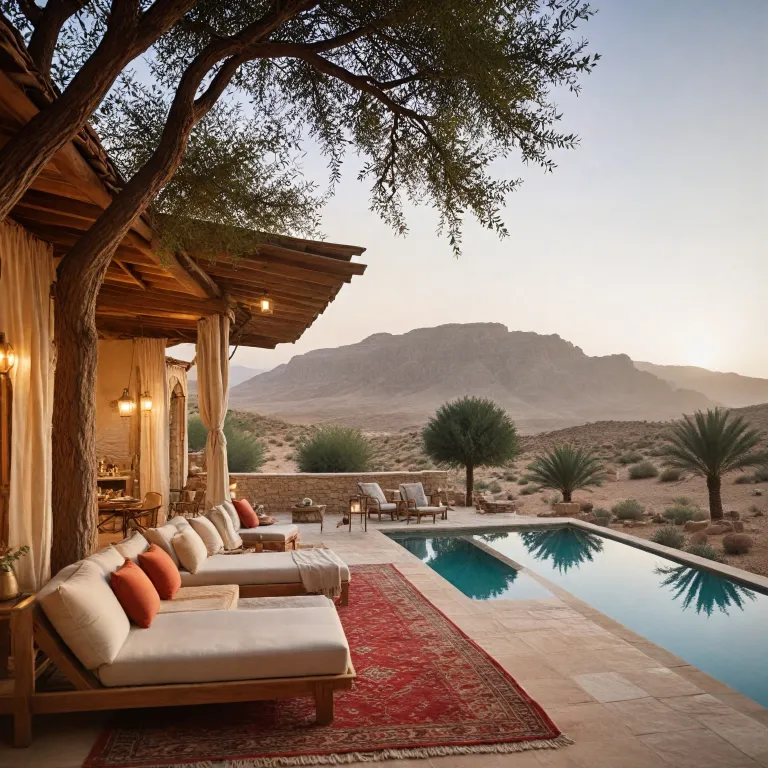
Rural elegance in the jordan countryside for discerning guests
The jordan countryside offers a refined contrast to Amman, where tranquil valleys and agricultural plains frame a slower rhythm of life. For travelers seeking luxury hotels beyond the capital Amman Jordan, the surrounding country landscapes near the Jordan River and the Dead Sea create a serene setting for premium stays. Many people now pair a few Jordan days in the city with several nights in rural area retreats to balance culture and calm.
Only a small percentage of Jordan country land is arable, yet Jordanian farmers shape green pockets along the rift valley and in high plateaus. These agricultural producers rely on rain fed and irrigated fields, so the best time to appreciate the jordan countryside is when crops soften the desert edges and orchards glow at sunrise. When you travel with a small group or as a couple, you will notice how carefully water is managed in every wadi and farm.
The Ministry of Agriculture works with the Royal Society for the Conservation of Nature to protect fragile ecosystems while supporting rural livelihoods. Luxury properties in the jordan countryside increasingly align with these goals, using modern irrigation systems, grey water recycling, and native landscaping to reduce pressure on scarce resources. As you are traveling Jordan, ask how each hotel supports local Jordanian farmers, because responsible choices enhance both comfort and culture Jordan.
Guests staying near the Dead Sea or the Jordan River can arrange guided visits to nearby villages to understand traditional practices. These curated experiences often include walking through fields below sea level, tasting seasonal produce, and learning how climate change has reduced precipitation over time. Such encounters deepen appreciation for the jordan countryside and help people see how every day decisions by visitors influence long term sustainability.
Designing luxury hotel stays between Amman and the Dead Sea
Many premium travelers begin in Amman before moving into the jordan countryside that stretches toward the Dead Sea and the Jordan River. This corridor from Amman Jordan down through the rift valley offers a mix of spa resorts, rural lodges, and desert facing properties that suit different Jordan days and budgets. When planning where you will stay, consider how many day trips you want to take to Petra, Madaba, or Wadi Rum.
The Dead Sea region sits at the lowest sea level on earth, with some hotels positioned several hundred meters below typical coastal elevations. Luxury properties here often highlight wellness, using mineral rich mud, saltwater pools, and nearby hot springs to create immersive spa programs. Because agriculture uses about 65% of Jordan’s freshwater resources, many hotels now promote shorter showers and mindful use of pools to support the wider country.
From Amman, a well structured travel guide can help you time your journey through the jordan countryside so that traffic, heat, and excursion schedules align smoothly. The best time to drive from the capital toward the Dead Sea or the Jordan River is usually early morning, when temperatures in the desert area are lower and visibility is clear. Travelers in a small group often appreciate having a driver guide who understands both local roads and culture Jordan.
Along this route, you can stop in Madaba to see mosaics before continuing toward the Dead Sea or further south toward Petra Wadi landscapes. Some itineraries also include a detour toward the east, where basalt plateaus and open desert show another face of Jordan country. Throughout these journeys, people experience how quickly the jordan countryside shifts from cultivated terraces to raw desert within a single day.
Linking Petra, Wadi Rum, and the wider jordan countryside
South of Amman, the highway toward Petra and Wadi Rum threads through some of the most dramatic jordan countryside. Many luxury travelers choose to split their Jordan days between a refined hotel near Petra and a desert camp in Wadi Rum to experience both archaeology and wilderness. This combination allows people to appreciate how the rift valley, high plateaus, and deep wadi systems shape the country’s character.
In Petra, premium hotels often sit slightly outside the main entrance, where views extend over rugged hills rather than crowded streets. These properties can arrange private guided walks that start early, which is usually the best time to explore before heat builds in the desert area. When traveling Jordan with a small group, consider requesting a specialist guide who can explain both Nabataean history and modern culture Jordan.
Further south, Wadi Rum offers a different expression of the jordan countryside, with sandstone massifs rising from wide sandy basins. Some high end camps now integrate solar power, low impact wastewater systems, and controlled lighting to protect dark skies above the desert. Guests can ride across the wadi in 4x4 vehicles by day, then return to elegant tents where service standards match city hotels in Amman Jordan.
Because this region lies not far from the borders with Saudi Arabia and Israel, many visitors sense the broader Middle East context while crossing open plains. From certain viewpoints, guides may point toward routes that historically linked Jordan country with the Red Sea and trade centers in Saudi Arabia. These stories reinforce how the jordan countryside has long connected people, caravans, and cultures across vast distances.
Water, wellness, and hot springs in the jordan countryside
Water defines many luxury experiences in the jordan countryside, from the buoyant Dead Sea to secluded hot springs in nearby valleys. In the rift valley, hotels often emphasize wellness programs that combine mineral rich pools, spa rituals, and nutrition inspired by local Jordanian farmers. Guests can float in the Dead Sea by day, then retreat to tranquil terraces overlooking the Jordan River corridor at sunset.
Because Jordan is one of the most water scarce country settings in the Middle East, responsible hotels treat every liter as precious. Many properties near sea level and below meters sea benchmarks now use modern irrigation systems to maintain gardens without wasting freshwater. Travelers who visit Jordan are encouraged to support these efforts by reusing towels, limiting bath times, and choosing eco conscious activities in each area.
Ecotourism initiatives promoted by the Royal Society for the Conservation of Nature show how conservation and hospitality can align in the jordan countryside. Visit nature reserves managed by the RSCN to experience Jordan's biodiversity. Explore rural areas to understand traditional agricultural practices.
Some luxury hotels partner with nearby reserves to offer guided hikes through wadis where springs emerge from desert cliffs. These excursions often include explanations of how declining precipitation affects Jordanian farmers and why agriculture uses about 65% of the country’s freshwater. When traveling Jordan with a small group, such experiences create a deeper bond with the land and reinforce the value of sustainable choices in culture Jordan.
Cross border perspectives from the jordan countryside
Staying in the jordan countryside near the Jordan River or the Dead Sea offers striking views toward Israel and the Palestinian territories. From certain terraces, guests can watch light shift across the rift valley, where the river marks a natural boundary between Jordan country and its western neighbors. These panoramas remind people that this serene area has long been a crossroads of faiths, trade, and diplomacy in the Middle East.
To the south and east, the desert stretches toward Saudi Arabia, where dunes and plateaus continue beyond visible horizons. Some itineraries combine time in Wadi Rum with onward journeys into Saudi Arabia, using the jordan countryside as a starting point for wider regional exploration. In such cases, a detailed travel guide and experienced operator are essential to coordinate visas, border timings, and high quality accommodation standards.
Within Jordan itself, the Ministry of Agriculture and international partners support rural communities that live close to these frontiers. Only a small share of land is under cultivation, yet villages along the Jordan River and in high plateaus maintain orchards, olive groves, and small livestock herds. Visitors who will spend several Jordan days in these regions can arrange farm visits to understand how people adapt to limited water and shifting climate patterns.
For tailored advice on selecting refined properties in these sensitive landscapes, travelers can consult specialized resources such as concierge tips for luxury and premium hotel booking websites in Jordan. Such guidance helps align personal expectations with the realities of the jordan countryside, from road conditions to seasonal variations in the Dead Sea shoreline. It also encourages guests to respect local norms in culture Jordan, especially when visiting religious sites or rural communities near the Jordan River.
Planning your jordan countryside itinerary with luxury in mind
Thoughtful planning is essential when arranging a luxury focused journey through the jordan countryside. Start by deciding how many Jordan days you will allocate to Amman, the Dead Sea, Petra, Wadi Rum, and lesser known rural area stays. The best time for most travelers is spring or autumn, when temperatures in the desert and along the rift valley are more comfortable.
A high quality travel guide or specialist advisor can help sequence destinations so that driving times remain reasonable. For example, many itineraries move from Amman Jordan to Madaba and the Dead Sea, then continue south to Petra and Wadi Rum before looping back through the country. This pattern allows people to experience the Jordan River corridor, sea level spa resorts, and high plateau viewpoints in a logical flow.
When traveling Jordan in a small group, consider balancing long sightseeing days with slower mornings in hotels that offer strong wellness programs. Properties near hot springs or with extensive spa facilities can be ideal bases for rest between excursions to Petra Wadi trails or desert drives in Wadi Rum. Always confirm transfer times in meters sea elevation terms as well, because steep climbs from the Dead Sea to Amman can affect journey length.
Finally, remember that culture Jordan places high value on hospitality, so interactions with staff and local hosts often become trip highlights. Many luxury hotels in the jordan countryside now source ingredients directly from Jordanian farmers, creating menus that reflect seasonal produce from the surrounding area. By choosing such properties, you support rural economies while enjoying refined cuisine that expresses the character of Jordan country and the wider Middle East.
Key statistics about agriculture and the jordan countryside
- Approximately 6–7% of Jordan’s land is considered arable, underscoring how limited fertile area is within the wider desert country.
- Around 5.5% of national territory lies under cultivation, much of it concentrated along the rift valley and in select high plateau zones.
- Agriculture contributes roughly 4.5% to Jordan’s GDP, yet it remains vital for rural livelihoods and culture Jordan in the jordan countryside.
- The sector uses about 65% of the country’s freshwater resources, which strongly influences how hotels and farms manage water near sea level and in upland regions.
- Only about 9.7% of the population lives in rural areas, making each village community in the jordan countryside especially important for preserving traditions.
- Forest coverage stands near 2%, so protected reserves and reforestation projects play a crucial role in stabilizing fragile desert and wadi ecosystems.
Essential questions about the jordan countryside for travelers
What percentage of Jordan's land is arable?
Approximately 6–7% of Jordan’s land is arable, which explains why fertile pockets in the jordan countryside feel so precious. Most productive fields cluster along the Jordan River, in parts of the rift valley, and on select high plateaus where rainfall is slightly higher. Luxury hotels that partner with Jordanian farmers in these areas help sustain limited agricultural resources while offering guests fresh, local produce.
How much of Jordan's freshwater is used by agriculture?
Agriculture uses about 65% of Jordan's freshwater resources, a figure that shapes every aspect of rural development and hospitality. In the jordan countryside, both farms and hotels rely on efficient irrigation, treated wastewater, and careful monitoring of consumption at different meters sea elevations. Guests who visit Jordan can support this balance by choosing properties with clear water policies and by moderating their own use of pools, showers, and spa facilities.
What is the role of ecotourism in Jordan's rural areas?
Ecotourism supports conservation efforts and provides economic benefits to local communities. In the jordan countryside, nature reserves managed by the Royal Society for the Conservation of Nature create opportunities for guided hikes, wildlife observation, and cultural encounters with Jordanian farmers. When traveling Jordan, selecting small group excursions that respect fragile wadi and desert habitats ensures that tourism strengthens, rather than strains, the environment and culture Jordan.