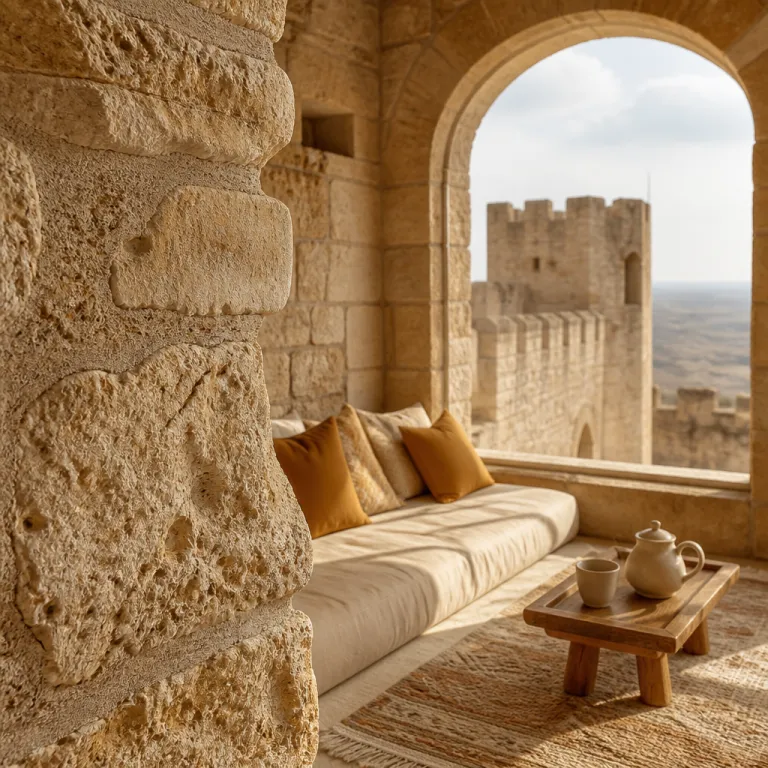
Shobak castle in Jordan as a compass for luxury trip planning
Shobak Castle in Jordan rises at about 1,300 meters above sea level, and its lonely silhouette instantly reshapes how many travelers plan their luxury itineraries. Around this single fortress, southern Jordan reveals a quieter side of the Middle East that pairs naturally with refined hotels and curated private tours. For guests who value privacy, the wide plateau around Shobak and the sparse crowds at the ruins create a rare sense of space.
This former Crusader stronghold, originally built by King Baldwin I of Jerusalem in 1115 AD, once guarded the trade routes between Egypt and the kingdom of Jerusalem. Today, the same history this region carries helps you structure a journey that flows from Amman to Petra, then to Shobak and onward to Wadi Rum, with each stop anchored by premium hotels. When you treat Shobak Castle as a central waypoint, you can balance long days of exploration with short transfers back to high comfort.
Many travelers arrive from Petra and turn left at the junction for ash Shawbak, following signs for Shobak or Shoubak until the road climbs toward the hilltop ruins. The moment the modern highway is left behind, the landscape of castles Jordan once relied on for defense opens into rolling hills and terraced orchards. This contrast between rugged terrain and the polished calm of your chosen hotel is exactly what makes a luxury-focused visit so rewarding.
Architectural drama at Shobak and how it shapes your hotel choice
The architecture of Shobak Castle is raw, layered and surprisingly intricate, and it quietly influences which luxury properties feel like the right match. Built as a Crusader castle in the early twelfth century, the complex still shows the outlines of curtain walls, towers and a small church that once served the garrison. Around these ruins, Jordan has encouraged sensitive development, so many premium hotels echo the stone textures and arches of the fortress.
From the upper ramparts, you can trace the line of the old qasr-style enclosure and imagine how this castle, built by Crusader engineers to control caravans, once communicated with other strongholds across the region. The history preserved here is not only military; it also tells of trade, faith and the long rivalry between the Crusader kingdom of Jerusalem and the forces of Saladin. When you later return to a heritage-inspired suite in Petra or Karak, the carved stone and warm lighting often feel like a contemporary reflection of that same fortress aesthetic.
For travelers who want to sleep inside history rather than just read a blog about it, heritage stays in Petra, Karak and the Decapolis offer an elegant bridge between past and present. You can explore detailed options for such heritage stays in Petra and beyond through this guide on sleeping inside history in Petra, Karak and the Decapolis. Aligning a visit to Shobak, sometimes called Montreal Castle, with these properties creates a coherent architectural narrative across your entire journey.
From crusader stronghold to curated itineraries: history as a luxury asset
Every stone at Shobak tells a story, and luxury travelers increasingly treat that history as a core part of the experience rather than a side excursion. The fortress was built by Crusader engineers to secure the route between Egypt and the Levant, and its position east of the main caravan paths allowed the garrison to tax and monitor trade. Later, Saladin captured the castle after a long siege, folding it into a new political order that reshaped the Middle East.
Because the timeline is so clear, with construction under King Baldwin I and later Mamluk occupation, high-end tour designers can craft precise narratives that unfold across several castles. A day that begins at Shobak Castle might continue to Karak, sometimes compared to a smaller Krak des Chevaliers in terms of atmosphere, before ending at a spa hotel where you can reflect on the layered history. This approach turns the history Jordan preserves into a curated storyline, supported by private guides, chauffeured transfers and flexible check-in times.
When you stand near the old church foundations inside the fortress and look toward Jerusalem, it becomes easier to understand how the kingdom of Jerusalem once projected power across these hills. Many guests appreciate having a specialist guide explain that “What is Shobak Castle? A 12th-century Crusader fortress in Jordan. Who built Shobak Castle? King Baldwin I of Jerusalem in 1115 AD. Where is Shobak Castle located? In Shobak, Ma'an Governorate, Jordan. What is the historical significance of Shobak Castle? It was a strategic Crusader stronghold controlling trade routes. Can visitors tour Shobak Castle? Yes, it is open to the public with guided tours available.” Hearing this context on site adds depth that no online blog can fully replicate.
Designing a Shobak centered route through Jordan’s heritage sites
Thoughtful routing is essential when you want to combine Shobak with Jordan’s finest hotels without feeling rushed. Many itineraries begin in Amman, move south along the Desert Highway, then turn left toward Petra before continuing to ash Shawbak and the hilltop fortress. From there, travelers often continue to Wadi Rum for a night under the stars in a luxury camp.
Positioning Shobak Castle between Petra and Wadi Rum allows you to experience three very different expressions of the country in a single arc. Petra offers monumental façades, Shobak delivers the intimate scale of a single hilltop castle once relied on for control, and Wadi Rum opens into vast desert where premium camps focus on silence and sky. Because driving distances are moderate, you can spend unhurried time at the ruins while still arriving at your next hotel in time for a late-afternoon spa treatment.
When planning dates, it helps to consider both climate and crowd levels so that your visit to the Shobak area feels calm rather than hurried. A detailed guide to choosing the best month to stay in luxury hotels across the country is available at this resource on the best month to visit Jordan for luxury hotel stays. Aligning that seasonal advice with opening hours at heritage sites ensures that every fortress, including Shobak and other castles Jordan preserves, fits smoothly into your schedule.
Practical guidance for visiting Shobak from a premium hotel base
Reaching Shobak from a luxury base in Petra or along the King’s Highway is straightforward, but a few details will elevate the experience. Most drivers follow the main road south, then turn left at the signposted junction for ash Shawbak and continue until the silhouette of the fortress appears on the hill. Even if you are staying in a high-end property, you should still wear sturdy shoes because the interior of the castle is uneven and often dusty.
Facilities at the site remain limited, so it is wise to bring water from your hotel and plan restroom stops before or after the visit. Many premium hotels in the region can arrange private guides who specialize in Crusader castles, ensuring that the story of how the stronghold was built and later taken by Saladin is clearly explained. Some guides also point out the remains of the secret passage that once led down toward a water source, a reminder of how carefully this castle was engineered to withstand sieges.
From a logistical perspective, Shobak pairs well with a late lunch back in Petra or at a countryside lodge near Qal Ash Shawbak, where some properties offer views toward the hills. Because the site sits at elevation, temperatures can be cooler than in the surrounding valleys, which many guests appreciate after time in Wadi Rum. Planning your timing so that you leave the ruins before dusk allows you to enjoy the changing light from the comfort of your chosen hotel.
How Shobak’s story enriches your wider Jordan hotel strategy
Including Shobak in your itinerary does more than add another fortress; it subtly reshapes how you choose hotels across Jordan. Once you have walked through the gate of this Crusader castle and traced the outlines of its church and walls, you may find yourself drawn to properties that echo similar stonework or that sit near other heritage sites. This is where Jordan excels, offering stays that frame views toward castles, wadis and old caravan routes.
Some travelers pair Shobak with nights in Amman’s contemporary luxury towers, then shift to heritage-inspired lodgings near Karak or Madaba to stay closer to history. Others focus on the south, combining Shoubak with extended time in Petra and Wadi Rum, using each castle visit as a thematic anchor for the day. In both cases, the narrative of how the kingdom of Jerusalem once stretched across these hills, and how Saladin and later dynasties reshaped power, becomes a quiet thread running beneath your modern comforts.
When you finally leave Shobak behind and look back at the ruins from the road, the contrast between the stark stone and your waiting hotel car is striking. That tension between past hardship and present ease is exactly what makes a carefully planned Shobak Castle journey so compelling for luxury travelers. By letting one relatively small fortress guide your choices, you transform a standard trip into a layered exploration of castles Jordan preserves, the wider history the country carries and the evolving hospitality landscape of the Middle East.
Key figures and facts about Shobak Castle and its context
- Shobak Castle stands at roughly 1,300 meters above sea level, giving it commanding views over the surrounding valleys and cooler temperatures than many nearby regions (altitude data referenced from Sacred Destinations and the Jordan Tourism Board).
- The fortress was constructed in 1115 AD under King Baldwin I of Jerusalem, during a period of rapid Crusader expansion aimed at controlling trade routes between Egypt and the Levant (timeline information referenced from Sacred Destinations and publications cited by the Jordanian Department of Antiquities).
- The site lies near coordinates 30.5315° north and 35.5608° east, placing it within the Ma'an Governorate and making it a natural stop between Petra and Wadi Rum on many modern itineraries (location data cross-checked with official tourism maps).
- Historical records show that Saladin captured the castle in the late twelfth century after a prolonged siege, marking a decisive shift in control over this part of the Middle East (campaign details summarized from standard Crusader history references and Jordanian heritage documentation).
- Ongoing archaeological research and increased tourism interest have turned Shobak into one of several key heritage sites in southern Jordan, often combined with visits to Petra, Karak and other Crusader-era locations (status noted in reports by the Jordan Tourism Board and the Department of Antiquities).
FAQ about Shobak Castle Jordan and luxury travel
What is Shobak Castle and why is it important for travelers?
Shobak Castle is a twelfth-century Crusader fortress in southern Jordan that once controlled vital trade routes between Egypt and the kingdom of Jerusalem. For travelers, it offers a quieter, less crowded alternative to larger sites while still delivering powerful history and dramatic views. Its location between Petra and Wadi Rum makes it an ideal cultural stop within a luxury-focused itinerary.
How do I reach Shobak Castle from Petra or Wadi Rum?
From Petra, most visitors drive along the main highway, then turn left at the junction signposted for Shobak or ash Shawbak and follow the road uphill to the fortress. The journey typically takes under an hour from Petra and around two hours from Wadi Rum, depending on traffic and stops. Many premium hotels can arrange private drivers and guides so that logistics are handled seamlessly.
Can I combine Shobak with other castles and heritage sites in Jordan?
Yes, Shobak is often paired with Karak Castle, Petra and other heritage sites along the King’s Highway to create a themed route focused on Crusader castles and medieval history. This combination allows you to compare different fortress designs, from the compact layout of Shobak to the larger scale of Karak. Luxury travelers frequently structure multi-day itineraries around these sites, staying in high-end hotels that offer easy access to each location.
What should I wear and bring when visiting Shobak Castle?
The interior of the fortress includes uneven ground, loose stones and some steep sections, so sturdy walking shoes are essential even if you are traveling from a luxury hotel. Because on-site facilities are limited, it is wise to bring water, sun protection and perhaps a light jacket if visiting during cooler months at this higher elevation. Many visitors also carry a small flashlight to explore darker interior rooms safely.
Are guided tours available and are they worth it for luxury travelers?
Guided tours are available and are particularly valuable for travelers who want to understand the complex history of Crusader castles, Saladin’s campaigns and the broader context of history Jordan preserves. A knowledgeable guide can point out features such as the remains of the church, the secret water passage and later Mamluk modifications that are easy to miss alone. For luxury guests, arranging a private guide through a hotel concierge ensures a tailored pace and deeper storytelling that aligns with a premium travel experience.