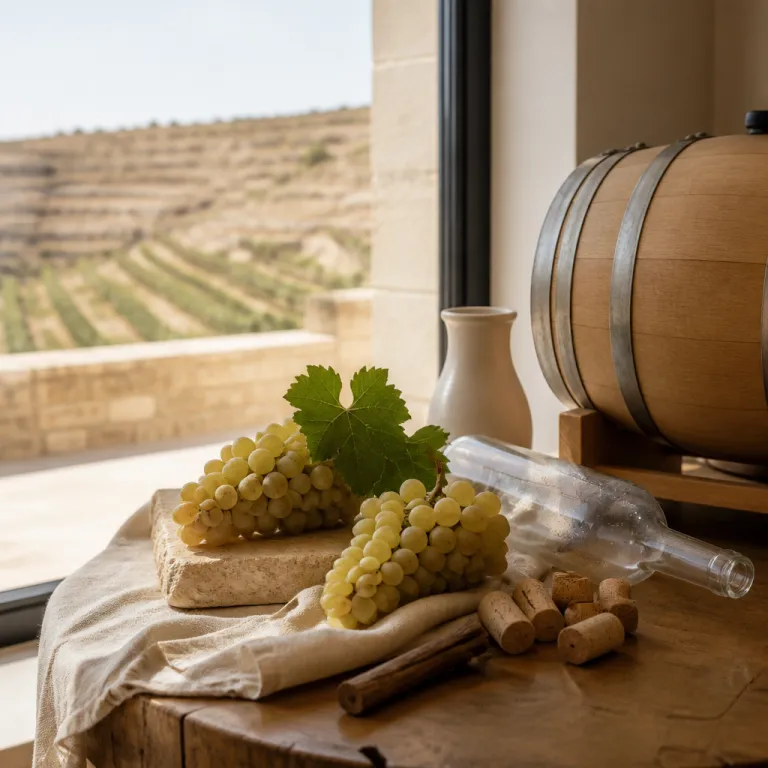
From Nabataean terraces to a new Jordan wine culture
Long before business travelers ordered a glass of wine in Amman, the highlands of Jordan were feeding amphorae bound for the eastern Mediterranean. The same limestone ridges and cool night air that once shaped Nabataean terraces now frame each modern Jordanian vineyard, giving hotel guests a story that runs far deeper than a label. Today, when you swirl local wines in a crystal glass, you are tasting a landscape that has been quietly waiting for its return to wine country status.
Ancient trade routes once linked this land to every major valley of the Levant, with grapes moving alongside incense and olive oil through what we would now call a regional wine country corridor. That heritage matters when you sit in a lobby bar and compare a Jordanian Cabernet to a polished Cabernet Sauvignon from California or a structured valley Cabernet from a famous county in the United States. The contrast is not about prestige alone; it is about how a small Jordan wine estate can reclaim identity in a market dominated by imported Cabernet Sauvignons and glossy wine and spirits lists.
Modern Jordanian winemakers work in a context that would feel familiar to any serious producer in Sonoma County or Alexander Valley, yet their scale is radically different. Industry observers estimate that annual national production remains well below one million bottles, rather than the millions that roll out of a large winery or estate in California, which means every bottle poured in a luxury hotel represents a meaningful share of the country’s vineyards. For the traveler, that scarcity turns a simple glass of wine into an original cultural encounter, especially when hospitality teams take time to explain how local plots are being replanted almost bottle by bottle.
The rebuilders behind Jordan’s new wines and how to taste them well
The current revival is driven by a compact circle of Jordanian winemakers who treat each Jordan wine project as a long-term cultural investment rather than a quick commercial play. Producers such as JR Wines and Zumot Winery are planting international grapes such as Cabernet Sauvignon and Merlot at altitude, testing which slopes and soils behave like a leaner Alexander Valley or a cooler Russian River rather than a sun-baked river valley. Their focus on small parcels means that a single site can yield only a few hundred cases, so when a hotel sommelier secures an allocation, it becomes a quiet point of pride for the entire hospitality équipe.
For business travelers used to polished winery tours in Sonoma or curated tastings in wineries in Sonoma County, the Jordanian experience feels more elemental and more personal. You are less likely to find a sprawling estate with manicured lawns and more likely to be invited into a working vineyard where irrigation pipes, pruning shears, and fermenters sit in plain view. That rawness pairs beautifully with serious food, especially in Amman restaurants that are rethinking national dishes; when you sit down to a refined mansaf or maqluba at a property featured in this guide to hotel kitchens reinterpreting Jordan’s national dishes, a local red such as a 2019 Cabernet-Merlot blend can frame the lamb and rice with a structure that surprises even seasoned travelers, showing dark cherry, dried herb, and gentle spice notes.
Hotel concierges now routinely direct guests to urban tasting rooms such as JR The Wine Experience or specialist bars like 13C Wine & Spirits, where staff talk about each Jordanian producer with the same precision a Californian sommelier reserves for a single block in Alexander Valley. As one Amman-based wine buyer explains, “We look for freshness, fine tannins, and a clear sense of place, not just a copy of a Cabernet Sauvignon from California.” These venues explain how careful canopy management and low yields are producing vintages that stand up to respected wines from California or from classic European regions, even if the Jordanian labels remain almost unknown outside the country. For the executive extending a stay, booking a guided tasting through your hotel is the most efficient way to understand how Jordan’s vineyards are being rebuilt and which bottles deserve space in your luggage.
Hotel bars in Amman and the Dead Sea that actually pour Jordan
In Amman, the gap between hotels that talk about local terroir and those that actually pour it is still wide. Properties such as Four Seasons Hotel Amman and Grand Hyatt Amman have moved beyond tokenism, giving Jordanian wines real space on their lists and training bar teams to speak about each local winery with confidence. When you sit down for a business dinner, asking specifically for a Jordanian Cabernet or a local blend signals that you understand the country’s hospitality evolution rather than defaulting to a safe imported label.
At the Dead Sea, several luxury resorts now treat Jordanian wines as part of the wellness narrative, pairing mineral-rich mud treatments with tastings that highlight how altitude vineyards in the north contrast with warmer valley sites. The best bar managers curate flights that place a structured Jordanian red beside a polished Cabernet Sauvignon from California, inviting guests to compare tannins, acidity, and aromatic profiles without any hint of inferiority. This is where the concept of wine country becomes fluid; you might be sitting below sea level, yet drinking a glass whose grapes grew hundreds of meters higher in a cool valley that never sees resort crowds.
Executives who extend their trips to Aqaba often find that seafront properties are slightly slower to embrace the Jordan wine revival, leaning heavily on international brands for poolside pours. Before you book, read property-specific guides such as this overview of Aqaba hotels by the Red Sea and check whether the wine list mentions Jordanian producers by name. A hotel that can describe the difference between two local vineyards with the same ease it discusses room categories is usually one where the overall hospitality culture runs deep.
Ordering like an insider at Amman’s best tables
For business leisure travelers, the real test comes not in the hotel bar but at the city’s most interesting dining rooms. At places such as Alee, Shams El Balad, and Dara, all of which have earned recognition on regional lists like MENA 50 Best, the wine list is now part of the conversation rather than an afterthought. When you choose a Jordanian label from a local estate instead of a familiar import, you are aligning yourself with a generation of Jordanian hospitality professionals who see local wine as identity, not compromise.
Think of the wine list as a soft power tool during negotiations or client dinners. Asking the sommelier which Jordanian producer is showing best this season opens a dialogue that often leads to stories about specific vineyards, harvest challenges, and how certain vintages pair with modern takes on Levantine food. That level of engagement is far more memorable than ordering the same Cabernet Sauvignon from California that your guests could drink in any global capital.
Outside the capital, cultural events are starting to weave wine into their programming, with pavilions and tasting corners that quietly normalize Jordanian labels among local and international visitors. If your itinerary includes a night performance among the colonnades of Jerash, consult this guide to the Jerash Festival and its night sessions and ask your hotel whether any Jordanian winery is being showcased during your stay. Turning those moments into informal tastings allows you to experience how wine, music, and archaeology intersect in a way that no boardroom can replicate.
Price, access, and taking Jordan’s wines home
One of the quiet advantages of drinking from a Jordan wine producer while in the country is value. On many luxury hotel lists, a well-made Jordanian red undercuts an equivalent imported bottle by a comfortable margin, especially when compared with premium wines from California or from established European regions. In Amman, it is common to see a serious local Cabernet blend between roughly 25 and 45 Jordanian dinars on a hotel list, while a comparable imported label can easily sit 30 to 40 percent higher. That price gap allows you to explore several vineyards over the course of a stay without feeling as if every experiment is a financial risk.
Availability remains deliberately tight, with most production reserved for domestic hospitality venues and a small number of specialist retailers. As one Amman-based sommelier notes, “Hotels like Grand Hyatt Amman and Four Seasons Hotel Amman feature local wines because allocations are small and we want guests to taste something they cannot find everywhere else.” For travelers, that means the hotel bar or restaurant is often the most reliable place to access limited vintages from a Jordanian estate, particularly when allocations are too small to justify broad retail distribution.
If you plan to bring bottles home, ask your concierge to confirm current customs allowances and to recommend shops that handle storage carefully, since heat can quickly undo the work of even the most skilled winemaker. Urban tasting rooms and dedicated wine merchants in Amman usually offer the best selection, sometimes including back vintages that never reached hotel lists. Treat each purchase as a snapshot of a specific vineyard and season, knowing that by the time you return, the Jordan wine landscape will likely have evolved again, one careful planting and one thoughtful pour at a time.
FAQ
Which luxury hotels in Amman currently serve Jordanian wines?
Several leading properties in Amman now feature Jordanian wines alongside international labels. Grand Hyatt Amman and Four Seasons Hotel Amman are among the most consistent, with lists that highlight at least one local producer and often several estates. When booking, you can email the concierge in advance and request the current wine list to confirm how prominently local bottles are represented.
Can I visit vineyards during a short business trip to Jordan?
Most business travelers will find it easier to experience Jordanian wine through urban tasting rooms and hotel-led events rather than full-day excursions. Venues such as JR The Wine Experience and specialist bars like 13C Wine & Spirits offer curated flights that showcase different vineyards without requiring long transfers. If you have a free day, your hotel concierge can arrange a private visit to selected estates, but these are usually bespoke rather than mass-market tours.
Are Jordanian wines available outside the country?
Exports remain limited, so most production from each Jordanian winery is consumed within Jordan’s hospitality sector and by local buyers. A few specialist importers in Europe and the Gulf occasionally list Jordanian labels, but availability is inconsistent and often focused on small allocations. If you want specific bottles, it is far more reliable to purchase them in Amman before departure.
What grape varieties should I look for on Jordanian wine lists?
Cabernet Sauvignon and Merlot are the most common international grapes planted in Jordan, often blended with other varieties to suit local conditions. On a hotel list, you might see these grapes referenced by vineyard name, signaling that the wine comes from a specific site rather than a broad regional blend. Asking staff about altitude, soil, and vintage will help you choose a style that matches your preferences, from fresher reds to more structured, age-worthy bottles.
How does Jordanian wine pair with traditional Jordanian food?
Jordanian reds from higher-altitude vineyards tend to have enough acidity and structure to handle rich dishes such as mansaf, slow-cooked lamb, and grilled meats. Lighter styles and any emerging whites can work well with mezze, seafood, and vegetable-focused plates that appear frequently on hotel menus. When in doubt, ask your sommelier which local estate they recommend with a particular dish, as they will know which current vintages are showing best with the kitchen’s flavors.