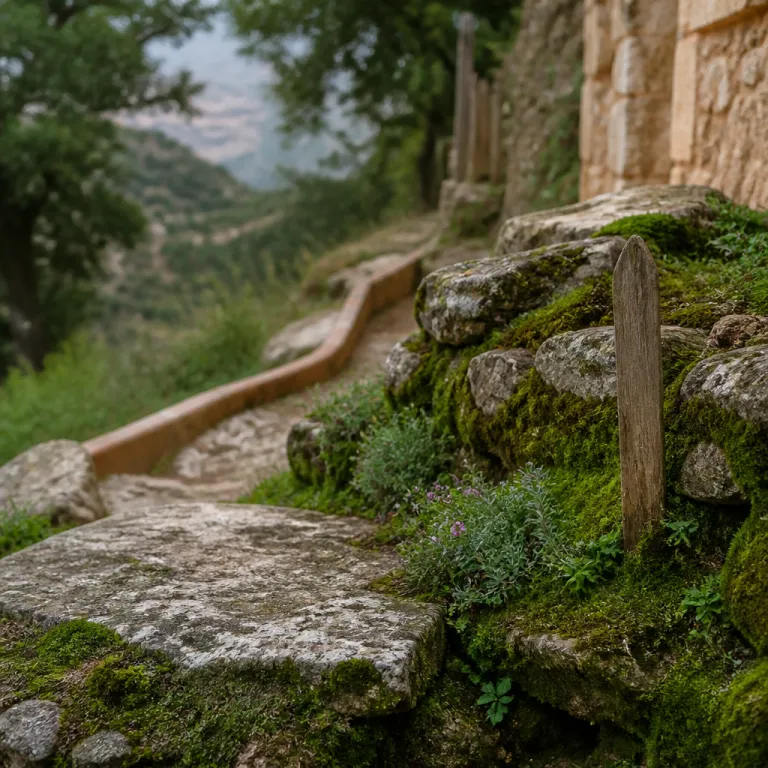
Eco village Jordan travel as a new kind of luxury
Eco village Jordan travel is quietly reshaping what luxury means in the Middle East. Instead of rushing between monuments, slow travel Jordan itineraries now linger in highland villages, forest reserve cabins and candlelit eco lodge stays that centre community and conservation. For solo explorers, this shift turns a standard Jordan circuit into a layered experience where time, silence and local relationships feel as precious as any infinity pool.
The Eco Village Route between Ajloun and Dana is the backbone of this movement, linking five eco friendly villages and nature reserves into one coherent journey. Managed in part by the Royal Society for the Conservation of Nature (RSCN), this network blends community based tourism, guided nature tours and eco lodges that channel tourism revenue directly into local communities. According to RSCN summaries of its protected areas programme, the model prioritises small scale operations, with many properties offering six to twenty rooms, shared tables and hosts who know every wadi, every spring and the seasonal rhythms of each nature reserve.
Luxury here is measured in access rather than excess, from private guided walks in an Ajloun forest valley to stargazing above the Dana Biosphere canyon floor. You might spend a morning with a local community cooperative learning how scarce water is harvested from limestone, then share a home cooked lunch that tastes of the Jordan Valley’s olive oil and wild herbs. This kind of eco conscious Jordan journey does not reject comfort; it reframes it, pairing high quality bedding and thoughtful design with low impact systems, solar power and a clear commitment to responsible tourism that is documented in lodge sustainability reports and RSCN partnership statements.
Ajloun Forest Reserve and the cool highland gateway
Ajloun Forest Reserve is where many eco village Jordan travel itineraries sensibly begin, especially for summer trips. At around 1,000 metres above sea level and roughly a 60–90 minute drive from Amman by private transfer or rental car, this forest reserve offers a cooler climate than the desert and sea level plains, with Mediterranean style oak and pistachio trees sheltering trails that feel worlds away from Wadi Rum. For solo travellers, the compact eco lodge here makes it easy to meet other guests over shared breakfasts before heading out with local guides.
The Royal Society for the Conservation of Nature manages Ajloun Forest Reserve as both a conservation project and a living classroom for sustainable tourism. Trails are clearly marked, and guided walks with rangers explain how native species, from wild orchids to elusive mammals, depend on careful water management and limits on grazing. When you book through a curated platform like myjordanstay.com, you can align your travel Jordan plans with seasonal activities such as olive harvesting, which bring you directly into contact with local communities and their agricultural calendar; RSCN’s public activity calendars outline these harvest and festival periods in more detail.
From a luxury perspective, Ajloun’s eco friendly lodges are less about marble bathrooms and more about quiet terraces, clean design and thoughtful details like filtered drinking water stations that reduce plastic waste. This is also where you start to understand how Jordan is engineering hospitality around scarcity, especially water, a topic explored in depth in this analysis of how Jordan’s luxury hotels manage their most limited resource, drawing on Ministry of Water and Irrigation data and hotel sustainability disclosures. Evenings often end with community dinners that showcase local produce, giving you a first taste of how an eco conscious Jordan escape can be both indulgent and deeply responsible.
Dana Biosphere Reserve and the descent to Feynan
From Ajloun, the Eco Village Route arcs south towards Dana Biosphere Reserve, Jordan’s largest protected area and the heartland of eco village Jordan travel. The Dana Biosphere stretches from cool highland cliffs down to the hot Jordan Valley and Wadi Araba desert floor, creating a rare vertical slice of ecosystems in a single protected corridor. For travellers, that means you can wake in a stone guesthouse overlooking a canyon, then hike down through changing bands of vegetation to a desert eco lodge by late afternoon; the descent from Dana Village to Feynan typically takes four to six hours on foot with a guide, and most visitors arrange a 4x4 or shuttle back to the trailhead.
Dana Village itself is a quiet cluster of stone houses perched on the edge of a vast wadi, where renovated guesthouses blend traditional architecture with simple, comfortable rooms. Walking through the village, you see how responsible tourism has kept families in place, with local communities running small cafés, guiding services and craft workshops that benefit directly from overnight stays. RSCN case studies on Dana highlight how guesthouse income, handicraft sales and guiding fees have slowed outward migration, making this slow travel approach tangible; you are not just passing through a nature reserve, you are helping sustain a living community that has adapted to both conservation rules and modern tourism.
At the base of the canyon lies Feynan Ecolodge, widely regarded as the gold standard for eco friendly hospitality in Jordan and across the wider Middle East. Entirely solar powered, with candlelit evenings and no televisions, Feynan Ecolodge offers a different kind of luxury, where silence, starlight and attentive local hosts replace conventional resort spectacle. According to figures published in Feynan’s own impact reports and echoed in RSCN communications, around 50 permanent local jobs and a significant per guest contribution flow directly to surrounding families, illustrating how this flagship lodge anchors the quiet economics of Jordanian sustainability and community based tourism.
Desert, water and the wider eco village constellation
Beyond Dana and Feynan, eco village Jordan travel fans out into a constellation of sites that link desert, water and forest in one coherent narrative. Wadi Rum’s protected desert landscape, for example, now hosts a spectrum of Bedouin managed camps that range from simple tents to premium eco lodge style setups with solar power and grey water systems. Choosing camps owned and run by local Bedouin families ensures that tourism income supports community livelihoods while reinforcing traditional knowledge of the desert’s fragile species and routes, a point underlined in Wadi Rum Protected Area management plans and local cooperative charters.
On the water side of the journey, the Dead Sea and Wadi Mujib add a different dimension to eco village Jordan travel, even if they sit slightly outside the classic Ajloun to Dana corridor. Wadi Mujib, a dramatic canyon that feeds into the Dead Sea, is managed as a nature reserve where guided canyoning routes limit impact on habitats while still offering an exhilarating experience. Here, responsible tourism means respecting seasonal closures, following guides’ instructions on water safety and understanding how every visitor affects the delicate balance of evaporation, inflow and conservation in the Jordan Valley basin, a relationship described in hydrological studies and Dead Sea environmental assessments.
Further north, Jordan EcoPark near the lower Jordan Valley and the forested slopes above it shows how wetlands, forest reserve patches and community gardens can be woven into a single educational hub. Programmes here highlight the link between water conservation, migratory bird species and the livelihoods of local communities who farm and fish along the river. For solo travellers, these stops round out eco village Jordan travel with hands on workshops, from reed bed filtration demonstrations to tree planting, that make the abstract language of sustainable tourism feel concrete and personal, echoing the park’s own educational mission statements.
Designing a slow, community led itinerary
Planning eco village Jordan travel as a solo explorer means embracing slowness and building nights, not just day stops, into your route. A thoughtful itinerary might include two nights in Ajloun Forest Reserve, two in Dana Village, two at Feynan Ecolodge and an extra night near Jordan EcoPark or Wadi Mujib to connect forest, canyon and wetland ecosystems. This pattern of stays allows you to enjoy guided walks, community meals and unhurried mornings rather than racing between check in times, and it fits comfortably into a seven to ten day Jordan itinerary, with most travellers budgeting for mid range nightly rates that sit between simple guesthouse prices and full scale resort costs.
When you book through a curated platform like myjordanstay.com, look for properties that clearly state their links to local communities, their water and energy systems and their conservation partnerships with organisations such as the Royal Society for the Conservation of Nature. The most credible eco lodges and guesthouses will explain how they manage waste, how much of their staff is hired locally and whether they contribute to nature reserves or community funds, often in a dedicated sustainability or impact section. For inspiration on how small scale stays can still feel refined, even outside Jordan, study this review of a bed and breakfast for refined city stays, then apply the same critical lens to rural eco properties when you compare room types, service levels and guest reviews.
One official description captures the spirit of this network succinctly: “What is the Eco-Village Route? A network of eco-friendly villages promoting sustainable tourism. How can I travel the route? By guided tours or self-planned trips with local accommodations. What activities are available? Hiking, cultural experiences, and nature exploration.” For luxury minded travellers, the key is to pair this framework with your own standards for comfort, privacy and service, asking detailed questions before you reserve about transfers, guiding ratios and meal options. Done well, eco village Jordan travel offers a rare combination of high touch hospitality, meaningful impact and the kind of quiet that stays with you long after you leave the canyon floor.
FAQ
How many eco villages are on the Eco Village Route in Jordan ?
The Eco Village Route between Ajloun and Dana currently links around five core eco villages and associated nature reserves. These include community based stays near Ajloun Forest Reserve, Dana Village, Feynan Ecolodge and smaller hubs connected to Jordan EcoPark and Wadi Mujib. Visitor numbers are modest compared with mass tourism circuits, with tens of thousands of people spread across the year rather than concentrated in a single season, according to RSCN visitor statistics and annual reports on protected area attendance.
Is eco village Jordan travel suitable for solo travellers ?
Solo travellers are particularly well served by eco village Jordan travel because properties are small, communal and used to hosting independent guests. Shared meals, guided hikes and village activities make it easy to meet both locals and other travellers without feeling trapped in group tour dynamics. Safety is generally strong along this route, though you should still follow standard precautions, share your plans with hosts and respect guidance on trails and desert or water conditions, as recommended in official Jordan tourism safety advisories.
Do I need to book eco lodges and community stays in advance ?
Advance reservations are strongly recommended for eco lodges and village guesthouses along the Ajloun to Dana corridor, especially during spring and autumn when temperatures are ideal. Many properties have fewer than twenty rooms, so last minute availability can be limited even outside peak holiday periods. Booking at least four to eight weeks ahead also allows hosts to organise local guides, community activities and meals that match your dietary needs and interests, a practice many lodges explicitly mention in their booking policies.
What should I pack for the Eco Village Route from Ajloun to Dana ?
Packing for eco village Jordan travel means preparing for varied terrains and temperatures, from cool highland evenings in Ajloun Forest Reserve to hot canyon floors near Feynan. Lightweight layers, sturdy walking shoes, a refillable water bottle and sun protection are essential, as many activities involve hiking or walking through wadis. A small dry bag is useful for Wadi Mujib or other water based excursions, while a headlamp helps on candlelit nights at off grid eco lodges, where low lighting is part of the sustainability ethos described in their guest information.
How can I ensure my trip supports conservation and local communities ?
To maximise your positive impact, choose accommodations that are clearly linked to conservation projects and local employment, such as those partnered with the Royal Society for the Conservation of Nature. Ask how much of your payment stays in the community, whether guides are hired locally and how the property manages water, energy and waste, and look for answers that align with RSCN guidelines and national sustainability strategies. During your stay, follow marked trails, minimise plastic use, respect cultural norms and consider joining conservation or community activities offered by your hosts, many of which are outlined in lodge welcome packs and reserve visitor briefings.