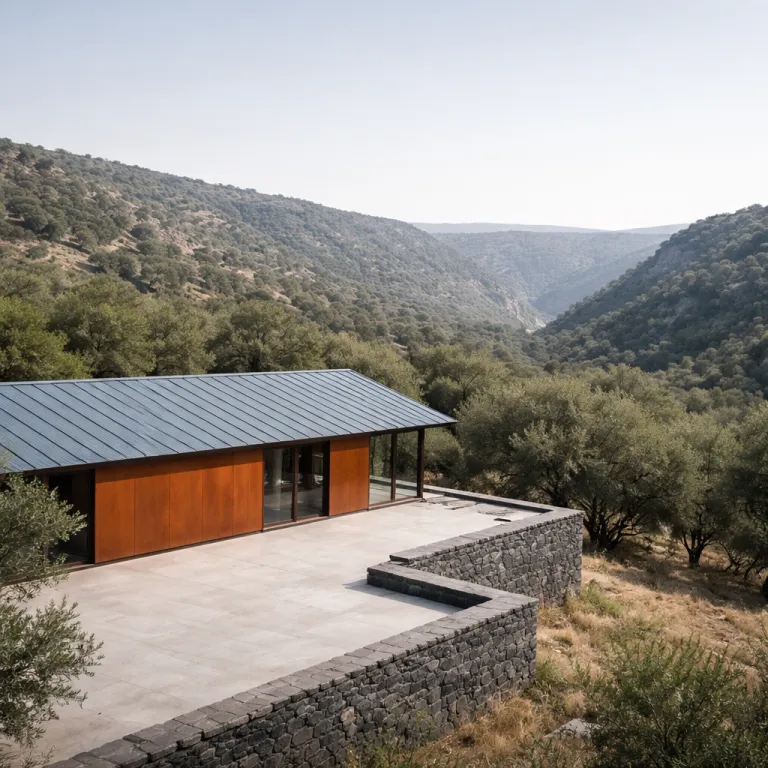
Yarmouk biosphere reserve and the rise of northern ecotourism in Jordan
Why Yarmouk’s UNESCO status matters
Yarmouk Forest Reserve’s new status as a UNESCO biosphere reserve quietly shifts the map of ecotourism Jordan for serious travelers. Approved in 2023 by the International Coordinating Council of UNESCO’s Man and the Biosphere Programme, this forested corner of northern Jordan sits near the Syrian border, forming a green hinge between the Roman city of Jerash, the hilltop Ajloun Forest Reserve and the agricultural valleys that feed local communities. Covering roughly 20 square kilometers of rolling hills and oak woodland at the far northwestern tip of the country, it lies close to the Yarmouk River and the town of Umm Qais, making it easy to combine with cultural visits to the Decapolis ruins and the restored Ottoman village above them.
For solo explorers used to the classic tourism arc from Petra to Wadi Rum and the Dead Sea, this northern nature reserve network now offers a credible eco tourism circuit with cooler air, denser forest and a different rhythm of conservation nature. The Royal Society for the Conservation of Nature (RSCN), the national NGO mandated to manage most of Jordan’s protected areas, oversees Yarmouk alongside other reserves, applying conservation practices that link wildlife protection with sustainable development and rural employment. Their model of ecotourism in Jordan is explicit: responsible travel to natural areas that conserves the environment and improves local well-being. In practice that means guided trails through forest reserves and nature reserves, controlled access to wetland reserve habitats such as the Azraq Wetland, and eco friendly lodging that channels tourism spending into local conservation funds, ranger salaries and energy efficient infrastructure.
Habitats, wildlife and how to visit
Yarmouk’s landscape mixes Mediterranean oak forest, scrub and traditional farmland, providing habitat for birds of prey, wild boar, foxes and seasonal migratory species that move along the Jordan Rift Valley. RSCN surveys highlight old stands of Palestine oak, pistachio and carob trees, along with orchids and spring wildflowers that make late March to May the most rewarding time for hiking. Autumn, from late September into November, offers clear views across the Golan Heights and cooler temperatures without winter rain. Basic visitor facilities are concentrated near the main entrance, where simple picnic areas, marked viewpoints, toilets and information boards introduce the reserve’s zoning, fire safety rules and conservation guidelines.
Geographically, Yarmouk Reserve anchors a northern loop that works elegantly for a three to five night stay focused on nature and culture. You can base yourself in Amman, a city that now treats green travel as part of its international positioning, then move in a smooth arc through Jerash, Ajloun Forest and the new biosphere reserve before returning via Irbid’s universities and cafés. From Amman, the drive to Yarmouk via Irbid and Umm Qais takes around two and a half hours on paved highways, with the final approach on smaller rural roads that are accessible to regular rental cars in daylight. Public buses run as far as Irbid and Umm Qais, but reaching the reserve gate usually requires a taxi or private transfer. For travelers who already plan a southern leg to Petra, Wadi Rum desert camps or Red Sea resorts, this northern circuit adds a contrasting forest and river landscape to the usual Jordan story of sandstone, saltwater and rum colored dunes.
From Dana to Yarmouk: how community based eco tourism actually works
RSCN’s community model in practice
For luxury guests browsing curated Jordan itineraries, the benchmark for ecotourism Jordan has long been the Dana Biosphere Reserve and its Feynan Ecolodge, where operations run on solar energy and around fifty jobs support nearby villages through guiding, housekeeping, kitchen work and craft production. That project shows how a nature reserve can turn conservation into a viable form of tourism, with guided hikes, local crafts and low impact architecture replacing mass market resorts. RSCN’s official programs describe this as community based conservation, where local cooperatives manage services such as guiding, handicrafts and food production. The same logic now informs planning in Yarmouk Reserve, where RSCN and village associations are shaping trails, homestays and small eco properties that keep spending close to the forest while protecting wildlife corridors and traditional grazing routes.
Community involvement is not a slogan here; it is the operating system that links conservation practices, sustainable development and guest experience across Jordan’s reserves. RSCN’s own framing is clear: ecotourism benefits local communities by providing jobs, supporting local businesses and promoting cultural exchange. For solo travelers choosing a premium stay through a sustainable luxury hotel booking guide, that translates into staff drawn from nearby cities and villages, menus built on local produce and excursions that respect both nature and cultural norms. In Yarmouk and Dana, women’s cooperatives supply traditional dishes and crafts, while youth from surrounding towns train as nature guides, giving visitors direct contact with local culture rather than a generic resort experience. As one Ajloun guide explained to visiting researchers, “When guests walk with us, they see the forest as our home, not just a backdrop for photos.”
Guided trails, permits and practical tips
Guided experiences are central to this model, especially in fragile forest and desert ecosystems where unregulated access can damage conservation nature goals. In Dana, Ajloun Forest and Wadi Mujib, licensed guides manage group size, keep hikers on designated paths and interpret the landscape so that eco tourism becomes education rather than extraction. Typical day hikes range from easy one to two hour loops suitable for most visitors to more demanding full day treks with steep ascents and rocky ground, so checking trail difficulty with RSCN staff before departure is essential. Entry fees are usually paid at reserve reception areas, with a standard per person conservation charge and optional extra costs for guided walks, and advance booking is recommended in peak spring and autumn seasons when numbers are capped to protect wildlife.
When you book through a platform that curates sustainable luxury and premium hotel booking experiences in Jordan, you are effectively buying into this managed approach to tourism, where every reserve visit is designed to balance guest freedom with long term protection of protected areas. A simple timetable for a first visit might include an early morning birdwatching walk, a mid day rest or local lunch in a nearby village, and a late afternoon viewpoint hike timed for sunset over the Yarmouk valley. RSCN’s public information pages and visitor centers outline safety rules, seasonal trail closures and recommended equipment, helping solo travelers plan responsibly without needing a large tour group. At the same time, rangers in Yarmouk and other reserves face ongoing challenges from illegal logging, overgrazing and climate driven drought, so following marked trails, carrying out all litter and respecting fire bans are practical ways for visitors to support conservation on the ground.
Designing a luxury north south itinerary for solo eco travelers
Building a forest to desert route
For a solo explorer, the most compelling shift in ecotourism Jordan is how Yarmouk Reserve helps rebalance itineraries away from a single Petra Wadi Rum Dead Sea axis. A refined route now starts in Amman’s older quarters, where you can stay in a characterful city property before heading north to Ajloun Forest, Yarmouk’s new biosphere reserve and the agricultural landscapes that frame these forest reserves. From there, you can loop back south through the capital and continue to the Dana Biosphere Reserve, Wadi Mujib canyons and finally the Red Sea coast, stitching together forest, desert and sea in one coherent eco friendly journey. This north south line also makes it easy to add side trips to Azraq Wetland Reserve or the Eastern Desert castles for travelers with an extra day.
Property wise, the north is still catching up with the south’s polished eco resorts, but that is precisely why early adopters will appreciate it. A handful of lodges and small eco focused guesthouses near Ajloun Forest and Jerash already align with conservation practices, using solar energy, grey water systems and local supply chains to reduce their footprint. In Yarmouk, simple cabins and homestays are beginning to appear in nearby villages, offering basic comfort, home cooked food and direct contact with the farming communities that depend on the reserve’s water and soil. One pilot project pairs homestay income with tree planting and terrace restoration, so that each hosted group funds a small piece of habitat recovery. As Yarmouk Reserve develops, expect more nature based stays that echo the sustainable elegance seen in Jordan’s best luxury eco resorts in the heart of nature, where design, comfort and conservation nature work in quiet tandem.
Sample itinerary and seasonal advice
Linking these northern stays with established southern icons requires some planning, yet the rewards are significant for travelers who value both comfort and conservation. You might pair a night at a refined property beside Petra’s ancient city gates with a later stay in a desert camp near Wadi Rum, then finish with a spa focused hotel on the Dead Sea or a reef facing suite on the Red Sea. A typical solo eco itinerary could run for eight to ten days, with two nights in Amman, two in the northern reserves around Ajloun and Yarmouk, two near Dana and Wadi Mujib and the final nights split between Petra and either Aqaba or the Dead Sea. Throughout, choosing operators aligned with RSCN guidelines and booking platforms that prioritize eco tourism in Jordan ensures your route through cities, reserves and nature reserves supports local communities while keeping Jordan’s most fragile landscapes genuinely green.