Mapping Wadi Rum luxury camps for romantic desert stays
Wadi Rum is a protected area in southern Jordan where sandstone massifs rise from a vast red-sand desert. For couples, the appeal of Wadi Rum luxury camps lies in the contrast between raw landscape and carefully curated comfort, especially when the first camp night falls silent after sunset. The best properties understand that an upscale camp should frame the desert, not overpower it.
This UNESCO World Heritage Site offers more than a pretty backdrop; it is a living Bedouin homeland where desert camps operate under community rules. Local cooperatives manage access inside the protected area, coordinate 4x4 transfers and regulate every camel ride or jeep tour that leaves each camp. When you book, you are not just choosing tents or domes, you are choosing which Bedouin team will host your stay and shape your memories.
Across roughly fifty licensed overnight camps, quality varies widely between deep-quiet hideaways and noisy glamping setups near the main road. According to the Wadi Rum Protected Area management plan, only authorised operators can run overnight sites, yet standards still differ in terms of noise, lighting and group size. Some properties sit far inside the protected zone, where a single night can feel like a private expedition under a dark sky, while others cluster closer to the visitor centre, where the experience is easier logistically but less immersive for couples seeking time alone.
Within this landscape, several names consistently perform for travellers who value service depth over social media spectacle. Memories Aicha Luxury Camp, often shortened to Memories Aicha, combines glass-fronted domes with traditional-style tents, and it has become a reference point when guests compare the best stays. Wadi Rum Night Luxury Camp focuses on classic canvas tents with king beds, while Rum Oasis Luxury Camp and Youssef Camp balance comfort with quieter locations away from the busiest areas.
For a structured overview of Wadi Rum hotel experiences, including camp options that blend comfort and authenticity, you can explore a broader guide to luxury comfort and authentic desert stays in Jordan. It helps position Wadi Rum luxury camps within a wider Jordan itinerary that might also include Petra, Aqaba and the Dead Sea. Used together with camp-specific information, it becomes easier to align your chosen tent or dome with the kind of desert night you actually want.
The tier system: from ultra private hideaways to polished dome camps
Not all Wadi Rum luxury camps are created equal, and couples feel the difference quickly. At the top tier sit ultra private desert hideaways, often used by bespoke operators who prioritise service depth over scale. These setups might use only a handful of tents, positioned far inside the protected area so that every night feels like your own film set.
In this ultra private category, the most exclusive experiences are usually arranged through high-end agencies that work closely with specific Bedouin partners. They secure guides who know the quieter corners of the reserve, time your camel ride for empty viewpoints and manage logistics so you arrive at your tent just as the light softens. One Amman-based planner describes it as “staying in a camp that disappears into the landscape by day and feels like your own desert lodge by night.” Couples who value silence, space and attentive but discreet service will find this tier closest to the romantic Jordan of their imagination.
The next tier includes polished dome-based Wadi Rum luxury camps such as Memories Aicha Luxury Camp, Wadi Rum Night Luxury Camp and Luxurious Starlight Camp. Here, the focus is on glass or bubble tents that frame the sky, with private bathrooms, proper heating and often air conditioning for the hottest time of year. These camps usually sit within easier reach of the main desert tracks, which means smoother transfers but slightly more visible neighbours and a greater chance of seeing other 4x4s during the day.
Below that, a strong mid-market layer of desert camps offers classic canvas tents with solid beds, shared or private bathrooms and communal dining under the stars. Properties like Rum Oasis Luxury Camp and several camps managed by the Hasan Zawaideh family fall into this category, balancing price with a genuine Bedouin atmosphere. For many couples, this level delivers the right mix of comfort, authenticity and value, especially if they plan to spend more time outside the tent than inside.
Across all tiers, remember that the word luxury in Wadi Rum means something different from a city hotel in Amman or a coastal resort in Aqaba. Here, luxury is the ability to sleep in deep quiet, to walk a few metres from your tent into untouched sand and to feel that your stay supports local families rather than a faceless operator. When you read reviews, look beyond dome photos and ask how the camp handles guiding, meals and guest numbers on each night.
For a broader perspective on how Wadi Rum fits into high-end Jordan desert escapes, including comparisons between glamping-style domes and more traditional tents, consult an in-depth article on desert escapes for luxury travellers seeking timeless serenity. It helps you understand whether you should prioritise a dome, a classic tent or a fully private camp when planning your itinerary. Couples who read it often refine their expectations about what a Wadi Rum luxury camp can realistically deliver.
Domes versus tents: light, heat and the reality of desert nights
The dome question has reshaped how travellers talk about Wadi Rum luxury camps. Glass or bubble tents promise uninterrupted views of the night sky, yet they also introduce issues of heat, privacy and light pollution that couples should weigh carefully. Traditional canvas tents, by contrast, offer a more controlled environment and often a more authentic sense of being in a Bedouin-style camp.
During the day, a glass dome in Wadi Rum can behave like a greenhouse, especially in the hottest months when the sun sits high above the valley. Summer temperatures in the region frequently climb above 35°C (95°F), and inside an unshaded dome it can feel hotter still. Many dome-based camps now install air conditioning, but that comfort comes with a heavier environmental footprint inside a protected area that already hosts dozens of overnight sites. Canvas tents breathe more naturally, and a well-designed camp will orient each unit to catch breezes while still protecting guests from the harshest desert winds.
At night, domes can feel magical when the sky is clear and the Milky Way stretches above the sandstone. Yet if neighbouring camps leave floodlights on, or if your own camp uses bright pathways, the stargazing advantage over a classic tent becomes marginal. In those conditions, stepping a few metres away from any camp, turning off your torch and letting your eyes adjust often delivers the best celestial views, regardless of where you sleep.
Privacy is another factor for couples choosing between domes and tents in Wadi Rum luxury camps. A glass dome can feel exposed if paths run nearby, while a canvas tent with a small seating area outside often creates a more intimate zone for late night tea. Many travellers now opt for a mix, spending one night in a dome for the experience and another in a traditional tent to feel closer to the rhythms of a Bedouin camp.
Thermal performance matters in the shoulder seasons, when a desert night can be surprisingly cold even after a warm day. In late autumn and early spring, night-time temperatures can drop close to freezing, especially when the wind picks up. Canvas tents usually hold heat better once the camp fire dies down, while domes may require more active heating to keep couples comfortable. When you book, ask the camp directly how they manage temperature in both tents and domes, and whether they provide extra blankets or hot water bottles for your stay.
For couples who want a broader Jordan contrast, pairing a dome or tent in Wadi Rum with a refined coastal stay in Aqaba works beautifully. You can move from a desert camp to the Red Sea in around 90 minutes by car, then unwind in curated properties at Ayla Oasis, as outlined in a guide to refined coastal stays in Aqaba. The shift from sand-silent evenings to marina-side nights highlights just how varied a Jordan itinerary can be.
What Bedouin hosts really deliver: rituals, rules and meaningful experiences
Behind every memorable stay in Wadi Rum luxury camps stands a Bedouin host who understands both the desert and modern hospitality. In Wadi Rum, community associations centrally manage tourism inside the protected area, which means your camp is part of a wider social and economic fabric. Respecting that structure is essential if you want your time in the valley to feel reciprocal rather than extractive.
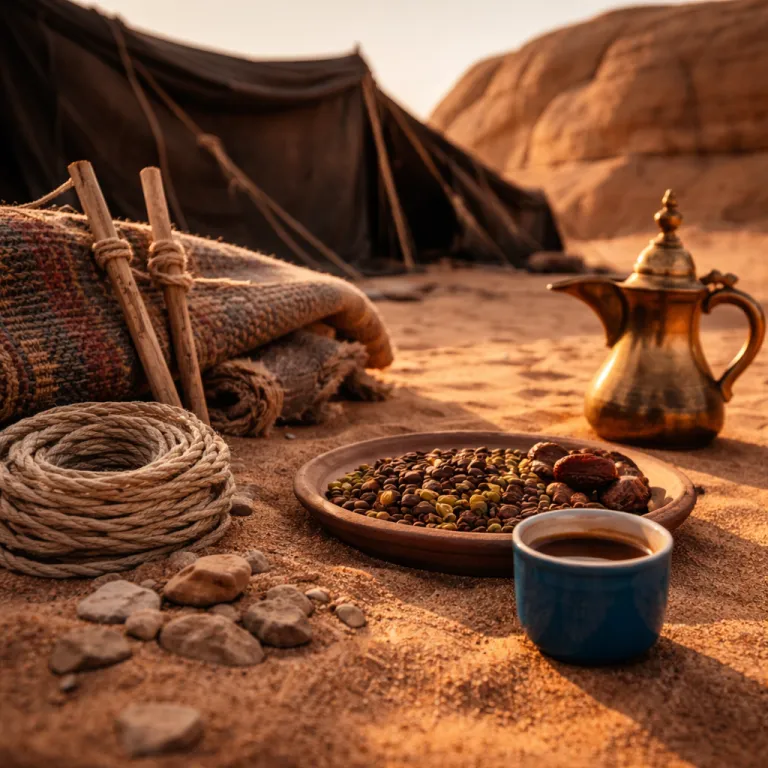
The first ritual many couples encounter is tea, poured slowly over embers in the shade of a tent or rock. This is not a rushed welcome drink but a signal that your pace should match the desert, and that conversation matters as much as the next camel ride or jeep excursion. Accepting at least one cup, even if you drink it slowly, shows appreciation for Bedouin hospitality and opens space for stories about the landscape and its routes.
Guiding is where the best Wadi Rum luxury camps distinguish themselves from more generic desert stays. A skilled guide reads the light, the wind and the crowds, choosing whether to take you to a famous arch at sunrise, or to a quiet dune for sunset away from the main camp clusters. Couples who value intimacy should ask specifically for routes that avoid the busiest areas, especially during peak time when convoys of 4x4s can break the illusion of solitude.
Unspoken rules help keep the valley balanced for both residents and guests. Dress modestly in and around camp, even if your tent feels like a private suite, and avoid loud music that carries across the sand at night. When you photograph Bedouin hosts, camel handlers or other guests, ask permission first; this simple courtesy reinforces trust and keeps the atmosphere relaxed for everyone sharing the evening.
Many camps, including those run by the Hasan Zawaideh family, now integrate cultural touches such as zarb, the traditional underground barbecue, and short storytelling sessions around the fire. These moments often become the strongest memories for couples, more vivid than any staged glamping photo. As one local overview notes, “Activities include jeep tours, camel rides, and stargazing,” but it is the human contact that tends to linger.
For couples who want to go deeper, consider spending part of a day walking rather than always riding in a vehicle or on a camel. Moving slowly through the desert with a guide allows you to notice rock inscriptions, small plants and the way the wind shapes the sand, all of which rarely appear in quick photo stops. This kind of experience turns a standard overnight stay into something closer to a shared desert apprenticeship.
Logistics and length of stay: designing your Wadi Rum escape
Reaching Wadi Rum luxury camps is straightforward once you understand the basic choreography. Most travellers arrive at the Wadi Rum Visitor Centre by car, where the paved road ends and the protected area begins. From there, your chosen camp usually sends a 4x4 to transfer you across the sand to its cluster of tents or domes.
If you are coming from Petra, many hotel concierges can arrange transfers and pre-book a desert camp, though they often work with a small circle of familiar partners. The drive from Petra to the Wadi Rum Visitor Centre typically takes around 90 minutes, while the journey from Aqaba averages about an hour on the Desert Highway. Couples who care about specific details, such as having a private tent away from the generator or a guaranteed camel ride at sunrise, should still contact the camp directly to confirm arrangements. From Aqaba or the Red Sea resorts, transfers are similarly easy and can be combined with a wider Jordan itinerary.
Once inside the protected area, movement between camps is limited, so choose carefully before you arrive. Some Wadi Rum luxury camps sit closer to the main tracks, which shortens transfer time but may increase passing traffic during the day. Others, including more remote family-run sites and certain setups used by bespoke operators, require a longer 4x4 approach yet reward you with quieter horizons and fewer lights at night.
For couples, the key planning question is how many nights to spend in a desert camp. A single night gives you a taste of the landscape, with one sunset, one star-filled sky and perhaps a short camel ride or jeep tour. Two nights allow a full day without transfers, which is when the valley reveals its slower rhythms and when many couples say their strongest memories take shape.
Those seeking real silence often opt for three nights in Wadi Rum luxury camps, especially if they are pairing the desert with livelier days in Amman or Aqaba. With that much time, you can alternate active excursions with hours of reading in the shade of your tent, watching light move across the sandstone and letting the Bedouin routine unfold around you. The extra night also gives flexibility if one evening is cloudy, ensuring at least one clear sky for stargazing.
When you leave, transfers run back to the Visitor Centre, where you reconnect with the road network and continue across Jordan. Whether you head north to Petra, west to the Dead Sea or south to the coast, the contrast with your desert stay will feel sharp, which is precisely why couples remember these camps so vividly. In a country rich with ruins and cities, the quiet of Wadi Rum often becomes the emotional anchor of the entire journey.
FAQ
What amenities do Wadi Rum luxury camps usually provide ?
Most Wadi Rum luxury camps offer proper beds, private or semi-private bathrooms and hot water. Many provide air conditioning or heating in tents and domes, especially in higher-end properties such as Memories Aicha Luxury Camp or Wadi Rum Night Luxury Camp. Traditional meals, including Bedouin dishes cooked in the sand, are commonly included in the stay.
How do I reach my camp inside the Wadi Rum protected area ?
You normally drive or take a transfer to the Wadi Rum Visitor Centre, which marks the edge of the protected area. From there, your chosen camp sends a 4x4 vehicle to collect you and your luggage. The drive into the desert usually takes between 15 and 40 minutes, depending on how remote the camp is.
Is it safe to stay overnight in Wadi Rum desert camps ?
Staying in Wadi Rum luxury camps is generally considered safe, as camps are licensed and monitored within the protected area. Staff live on site, know the desert intimately and are used to handling weather changes or minor medical issues. As long as you follow camp guidance and avoid wandering far alone at night, safety standards are strong.
Are Wadi Rum luxury camps suitable for couples seeking privacy ?
Many Wadi Rum luxury camps cater specifically to couples, with spaced-out tents, private seating areas and options for candlelit dinners under the stars. Ultra private desert setups used by bespoke operators offer the highest level of seclusion, while mid-sized camps can still feel intimate if you request a tent away from communal areas. When booking, communicate clearly that you are a couple seeking a quiet, romantic stay.
What activities can couples enjoy during a stay in Wadi Rum ?
Typical activities include jeep tours to rock bridges and viewpoints, guided hikes through canyons and at least one camel ride at sunrise or sunset. Many Wadi Rum luxury camps also organise stargazing sessions, sandboarding and short cultural experiences such as tea rituals or zarb dinners. Couples who stay two or three nights can balance active excursions with unstructured time to enjoy the silence of the desert.