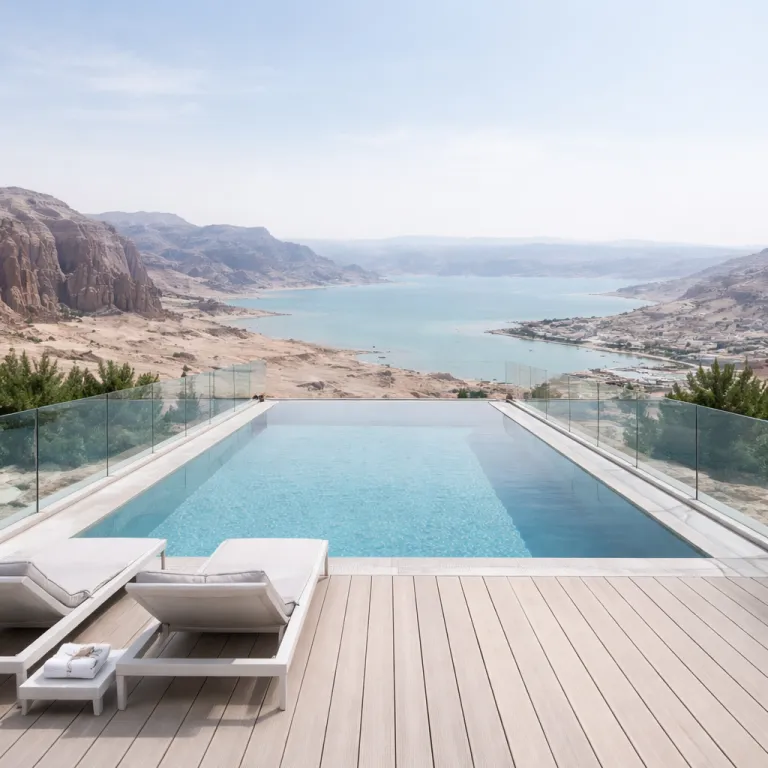
Where to stay in Jordan for your first itinerary
Working out where to stay in Jordan starts with geography and realistic transfer times. Before you compare hotels or desert camps, decide how many nights you want in each region and what kind of accommodation rhythm suits you. A clear plan for overnight bases across the country will shape every city, desert and sea experience.
Most first time visitors focus on the classic triangle of Amman, Petra, Wadi Rum and the Dead Sea, then ask where the best places to stay feel genuinely luxurious rather than generic. Think of Jordan as four distinct bases: a capital city stay in Amman, an archaeological immersion around Petra, a desert night in Wadi Rum and a restorative pause at the Dead Sea. Aqaba on the Red Sea and the quieter north then become optional layers if you have extra nights and want to extend your trip.
Driving times between these hubs are manageable but still shape your itinerary. Amman to Petra usually takes around 3 hours by car, Petra to Wadi Rum about 1.5 to 2 hours, and Wadi Rum to Aqaba or the Dead Sea roughly 1 hour and 3 hours respectively in normal traffic, based on current estimates from local operators and mapping tools. Shared shuttles, private transfers and rental cars all operate on these routes, so factor both cost and comfort into your accommodation choices.
Amman as a base: when the capital earns more than one night
Amman is not just a gateway city; it can be a rewarding base if you enjoy layered urban life. The question is not only where to stay in Jordan, but when to give Amman two or three nights instead of rushing south. For travelers who like galleries, refined cafés and long dinners, a city stay in Amman is worth the time.
For a classic luxury hotel in the city, the Four Seasons Hotel Amman, Fairmont Amman, The Ritz-Carlton, Amman and The St. Regis Amman each anchor different neighbourhoods and price points. Four Seasons feels residential and calm, Fairmont leans toward a lively social scene, while the Ritz-Carlton and St. Regis bring polished resort-style pools and full spa facilities into the city. These high-end hotels are not interchangeable, so match your preferred atmosphere and check whether you want a quieter night or a more animated lobby bar; one recent guest described the Fairmont lobby as “almost like a social club” compared with the more discreet Four Seasons.
Location matters as much as brand when you decide where to stay in the capital. Jabal Amman near Rainbow Street works well if you want to walk to restaurants and pair a cultured city stay with visits to the Citadel and Roman Theatre. For a deeper dive into refined urban experiences, use a specialised guide to things to do in Amman Jordan for a cultured city stay and then align your hotel choice with the cafés, galleries and hammams you actually plan to use.
Dead Sea and Petra: water, stone and very different kinds of quiet
The Dead Sea and Petra both appear on every list of where to stay in Jordan, yet they offer opposite moods. At the Dead Sea you come for still water, mineral rich mud and slow afternoons, while Petra is about early starts, long walks and sandstone canyons. Balancing these two stays is the heart of a thoughtful Jordan itinerary.
On the Dead Sea coast, Kempinski Hotel Ishtar Dead Sea, Mövenpick Resort & Spa Dead Sea and Dead Sea Marriott Resort & Spa sit side by side but feel distinct. Kempinski leans into resort spa indulgence with multiple pools and a strong sense of privacy, Mövenpick offers a village style layout that works well for families, while Marriott balances business friendly service with a relaxed beach. When you check rates, look beyond the headline price and compare beach access, shade, spa menus and whether the hotel feels serene at night or busy with conferences; recent visitors often note that midweek can feel quieter than weekends when local staycations peak.
Petra raises a different question about where to stay, because proximity to the archaeological site matters more than almost anything. Mövenpick Resort Petra stands directly opposite the main gate, ideal if you want to walk back to your hotel at midday, while other hotels on the Petra side in Wadi Musa trade distance for views and quieter streets. For travelers approaching Petra from the Dana side, this elegant guide to Little Petra and luxury stays near Wadi Musa helps you weigh heritage style guesthouses against more contemporary hotels and the remote charm of Feynan Ecolodge in the nearby reserve.
Wadi Rum and the desert: choosing your camp, silence and stars
Wadi Rum is where the question of where to stay in Jordan becomes a question of how you like your desert. Some travelers want absolute silence and dark skies, others prefer a glamorous camp with air conditioning and structured activities. Knowing your own threshold for heat, isolation and night time quiet will shape whether you choose a simple Bedouin camp or a high design dome.
Within Wadi Rum itself, you will find everything from traditional Bedouin tents to polished desert camp style properties that feel almost urban in their comforts. Options like Sun City Camp offer panoramic domes with clear views of the stars, while more discreet camps tuck their tents against sandstone cliffs for shelter from the wind. When you check accommodation recommendations for Wadi Rum, pay attention to how far the camp sits from the main road, what kind of vehicles they use and whether sunrise and sunset excursions are included or extra. In peak months such as March–May and late September–November, many popular camps now recommend booking at least 4–8 weeks ahead for weekends, based on current local booking patterns.
Service depth varies widely between camps, which is why honest reviews and recent photos matter more here than glossy brochures. Some camps in Wadi Rum feel like true desert lodges with attentive hosts, while others resemble basic overnight stops on a group tour. If you crave a quieter, more eco focused stay in Jordan, consider pairing one night in Wadi Rum with a later stay at Feynan Ecolodge in the Dana Biosphere Reserve, where off grid comfort and guided hikes replace dune bashing and camel rides.
Aqaba and the Red Sea: when the coast deserves three nights
Aqaba on the Red Sea answers a different where to stay in Jordan question; it is about whether you want a true coastal break or just a quick swim. For divers, snorkelers and sun seekers, stay in Aqaba for at least two or three nights to justify the journey south. If you mainly want a symbolic dip in the sea, a single night at the end of your trip may be enough.
The new luxury cluster around Saraya Aqaba includes Al Manara, a Luxury Collection Hotel, and The Westin Saraya Aqaba, both offering resort spa facilities, generous pools and easy beach access. These seaside hotels feel more like international beach resorts than city properties, which suits travelers ending an intense archaeological circuit. When you check options, compare whether you prefer a livelier promenade or a quieter stretch of sand, and remember that the best hotels for families are not always the same as the best hotels for couples.
Within the city itself, Aqaba’s older hotels range from simple business style properties to more characterful stays, but the luxury focus now sits firmly in the new developments. Use a stay in Aqaba as a decompression zone after Petra and Wadi Rum, especially if you have flown long haul into Amman. If you are short on time, prioritise Petra and Wadi Rum for their uniqueness, then add the Red Sea only if an unhurried coastal night genuinely fits your rhythm.
Northern Jordan and alternative loops: Jerash, Ajloun and Dana
When travelers ask where to stay in Jordan beyond the classic triangle, the north often surprises them. Jerash, Ajloun and the Yarmouk area offer Roman ruins, forested hills and cooler air, making a strong case for an alternative loop. This region suits travelers who prefer a quieter city stay and more local interaction over big resort spa complexes.
Base yourself in Amman for a night and use day trips to Jerash and Ajloun if your time is tight, or add a rural guesthouse for one night to break the pattern of large hotels. While there are fewer luxury hotels in northern Jordan compared with the Dead Sea or Aqaba, the trade off is calmer roads, gentler temperatures and a different side of the country. For eco minded travelers, Feynan Ecolodge in the Dana Reserve offers a powerful contrast to both desert camp style properties and the polished hotels near Petra in Wadi Musa.
Remember that “What is the average cost of a hotel in Jordan?" "Basic private rooms: $40-60; mid-range: $70-120; luxury: $150+." gives you a baseline, but northern stays often sit at the lower end of that range. These figures are broad estimates drawn from current online booking data and local agency quotes. Use those numbers to check whether a rural night fits your budget once you have locked in the more expensive Petra and Dead Sea segments. If you are planning a longer stay across Jordan, a northern loop can replace one extra night at the sea without sacrificing comfort.
Two-track itineraries: one week versus ten days in Jordan
Where to stay in Jordan is ultimately an itinerary question, so think in tracks rather than isolated bookings. For a standard week, a balanced pattern is two nights in Amman, two in Petra, one in Wadi Rum and two at the Dead Sea. That gives you a city stay, an archaeological immersion, a desert night and time by the water without frantic transfers.
If you can stretch to ten days, you unlock a more spacious experience of where to stay in Jordan. Add one extra night in Amman at the start for jet lag and city exploration, one more night in Wadi Rum to enjoy the desert beyond a single sunset and one or two nights in Aqaba for the Red Sea. In this extended version, you can also swap one Dead Sea night for a stay in the Dana Reserve or at Feynan Ecolodge, trading spa pools for canyon hikes and candlelit dinners.
Whichever track you choose, sequence matters as much as the individual hotels. Many travelers start with the city, then move through Petra and Wadi Rum before ending at the Dead Sea or Aqaba, so each night becomes progressively slower and more restorative. For help fine tuning your Amman segment, use a specialist guide on how to book a luxury hotel in Amman for an unforgettable stay and then layer in your own accommodation preferences based on how you like to arrive and depart from a capital.
Key figures for planning your stay in Jordan
- Average nightly rates for basic private rooms in Jordan usually fall between 40 and 60 USD, which helps solo travelers estimate a minimum accommodation budget for a week long itinerary; these ranges are indicative only and based on recent online listings.
- Mid range hotels in Jordan commonly cost around 70 to 120 USD per night, a band that covers many well located properties in Amman, Wadi Musa and Aqaba without entering full luxury territory.
- Luxury hotels in Jordan typically start from about 150 USD per night, a threshold that applies to major brands at the Dead Sea, in Amman and along the Red Sea coast, with peak holiday periods sometimes pushing rates higher.
- Because peak seasons around Petra and Wadi Rum see strong demand, booking your preferred hotel or camp at least several weeks in advance significantly increases your chances of securing the exact room type you want; for popular desert camps in spring and autumn, 1–2 months ahead is now common advice from local hosts.
- Location can influence perceived value as much as star rating, since staying directly at the Petra gate or on a prime stretch of Dead Sea shoreline often saves transport time and enhances each day’s experience.
Frequently asked questions about where to stay in Jordan
What is the average cost of a hotel night in Jordan?
Across Jordan, basic private rooms usually cost around 40 to 60 USD per night, mid range hotels tend to fall between 70 and 120 USD and luxury properties generally start from 150 USD per night. These figures vary by season and region, with Petra, Wadi Rum and the Dead Sea often commanding higher rates. Treat these as current estimates based on typical online prices and always check live rates for your exact dates before finalising your itinerary.
Which area is best for a first stay in Amman?
For most visitors, Jabal Amman near Rainbow Street works best because it combines walkable streets, cafés and easy access to major sights. From there you can reach the Citadel, the Roman Theatre and downtown Amman within a short drive. Luxury travelers often pair this area with a stay at one of the major international hotels in the western districts.
Are there good accommodation options near Petra for different budgets?
Yes, the town of Wadi Musa offers a wide range of hotels near Petra, from simple guesthouses to polished international properties. Mövenpick Resort Petra sits directly at the main gate, while other hotels in Wadi Musa trade proximity for views and quieter surroundings. Budget travelers, mid range guests and luxury seekers can all find suitable accommodation if they book early, especially for popular months such as April, May, October and November.
Can travelers stay overnight in Wadi Rum?
Staying overnight in Wadi Rum is one of the highlights of a trip to Jordan, with options ranging from traditional Bedouin style tents to high comfort desert camps. Some camps focus on simple hospitality and star filled skies, while others offer air conditioned domes and structured excursions. Because standards vary, it is wise to read recent reviews, confirm what is included in the nightly rate and reserve well ahead for peak-season weekends.
Is it generally safe to stay in hotels across Jordan?
Jordan is widely regarded as one of the safer countries in the region for travelers, and established hotels follow standard international security practices. Most visitors feel comfortable staying in Amman, Petra, Wadi Rum, the Dead Sea and Aqaba, even when traveling independently. As always, choose reputable properties, keep valuables secure and follow local advice during your stay.