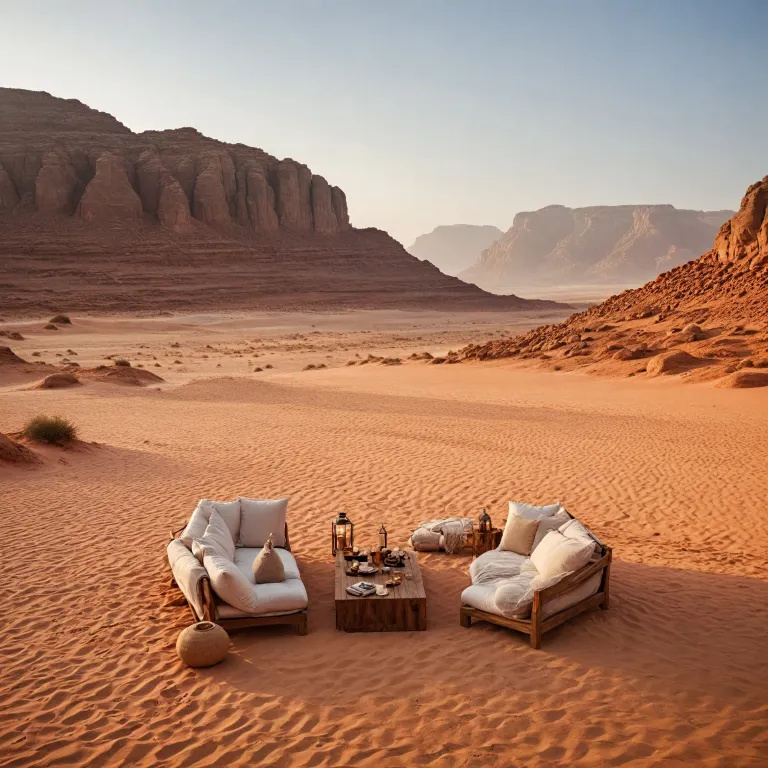
Luxury perspectives on the Jordan Wadi Rum desert
The Jordan Wadi Rum desert has become a signature destination for travelers who expect refinement alongside raw nature. Its vast valley floor, framed by sandstone massifs and silent canyons, invites a style of travel where comfort enhances rather than competes with the landscape. For guests planning a premium trip, the challenge is choosing a camp or lodge that respects the protected area while still delivering elevated service.
Luxury travelers are often drawn to the contrast between the soft sand and the sculpted rock bridge formations that rise above the valley floor. In this part of Jordan, the desert is not an empty void but a living cultural landscape shaped by Bedouin tribes who now host guests in every type of camp. When you plan a rum trip, you are also choosing how closely you wish to engage with Bedouin heritage, astronomy, and desert ecology.
High end visitors usually arrive after a tailored itinerary that might include a refined stay in Petra or Amman before continuing south. Many combine a trip Jordan itinerary that links Petra, the Jordan Wadi Rum desert, and Aqaba’s Red Sea coast in one seamless journey. This approach allows you to balance days of exploration in the wadi with restorative evenings in a luxury camp that offers spa style amenities, curated dining, and expert guiding.
Because Wadi Rum is a UNESCO listed protected area, discerning guests increasingly ask how their stay supports conservation. Responsible operators work closely with local Bedouin communities and follow strict rules for driving on the sand and near each archaeological site. When evaluating options, look for transparent sustainability commitments, limited capacity camps, and tours that prioritize low impact routes through the rum desert.
Choosing the right luxury camp in the Wadi Rum protected area
Selecting a luxury camp in the Jordan Wadi Rum desert begins with understanding the geography of the protected area. Most properties sit either near the visitor centre, close to rum village, or deeper inside the wadi where the sand dunes and cliffs feel more remote. Camps closer to the entrance offer easier access for short tours, while those further on the valley floor provide stronger immersion in the desert silence.
For premium travelers, the term luxury camp can cover a wide spectrum of comfort levels and design philosophies. Some camps emphasize panoramic views of each sand dune and rock bridge, using glass fronted tents and private decks for stargazing. Others focus on Bedouin camp aesthetics, with woven textiles, low seating, and traditional coffee rituals that connect guests to the rhythms of the wadi.
When planning a trip, consider how many day and night activities you want to include. If your rum trip is short, a camp near the visitor centre can maximize time on 4x4 tours, camel rides, or guided walks through a canyon such as Khazali Canyon. Travelers following a refined journey along the King’s Highway in Jordan often appreciate properties that can arrange seamless transfers and flexible check in times.
Room configuration matters for couples, families, and small groups seeking privacy in the desert. Check whether your chosen camp wadi property offers en suite bathrooms, climate control, and shaded outdoor seating for hot afternoons. Guests who value quiet should ask about generator noise, distance between tents, and how the camp manages late returning tours in the rum desert.
Bedouin heritage, guides, and curated desert experiences
Authentic engagement with Bedouin culture is central to a meaningful stay in the Jordan Wadi Rum desert. The local Bedouin tribes, including the Zalabieh, have shifted from nomadic herding to guiding, camp management, and conservation work. Choosing a Bedouin guide who is licensed and deeply rooted in the wadi ensures that your trip supports community livelihoods and traditional knowledge.
Many luxury camp teams design private tours that weave together geology, history, and daily life in the rum desert. A typical day might begin with a sunrise drive across the valley floor, pausing at viewpoints where the first light touches the pillars of wisdom cliffs. Later, your guide may lead you on foot into a narrow canyon, explaining petroglyphs and inscriptions that trace human presence across millennia.
Evening programs often highlight music, storytelling, and the preparation of zarb, a Bedouin meal slow cooked beneath the sand. Guests can sit around the fire, listening to tales of navigating each wadi by stars long before GPS or marked tracks existed. For many, these shared moments in a Bedouin camp become the most enduring memories of a trip Jordan itinerary.
Travelers seeking inspiration for future journeys can explore a dedicated collection of luxury and premium hotel booking stories for discerning guests at curated Jordan travel stories. These narratives often highlight how a well chosen guide transforms a simple visit wadi excursion into a layered cultural experience. When reviewing options, look for operators who limit group sizes, offer both short and extended tours, and clearly explain how they protect fragile sand dune ecosystems.
Signature sites, cinematic landscapes, and refined adventure
The Jordan Wadi Rum desert is renowned for its cinematic scenery, which luxury travelers can explore without sacrificing comfort. Iconic locations such as Khazali Canyon, the pillars of wisdom, and several natural rock bridge formations are usually included in private tours. A knowledgeable guide will time each visit to avoid crowds, allowing you to appreciate the silence of the wadi and the subtle colors of the sand.
Many guests arrive with a bucket list that includes watching sunset from a high sand dune and stargazing far from rum village lights. Premium camps often provide telescopes, blankets, and warm drinks so that this simple desert ritual feels both intimate and indulgent. During the day, 4x4 tours can be tailored to your interests, whether you prefer photography, gentle hikes, or longer crossings of the valley floor.
Adventure oriented travelers may request routes that include scrambling to viewpoints above the rum desert or walking sections between vehicle transfers. Safety remains paramount, so always follow your guide’s instructions when exploring a canyon or climbing near a rock bridge. The Wadi Rum protected area has clear regulations on where vehicles may drive, helping to preserve both the sand and the fragile desert flora.
Those combining Wadi Rum with Petra can benefit from insights shared in this article on reimagined luxury stays near Petra. Aligning your Petra and Wadi Rum nights allows for a balanced trip Jordan journey that alternates archaeological immersion with desert calm. With careful planning, every visit wadi excursion, sunset stop, and campfire evening contributes to a coherent narrative of Jordan’s southern landscapes.
Designing a seamless trip Jordan itinerary with Wadi Rum stays
Integrating the Jordan Wadi Rum desert into a wider trip Jordan itinerary requires attention to pacing, transfers, and climate. Most travelers arrive by road from Petra or Aqaba, reaching the visitor centre in a few hours before transferring by 4x4 to their camp. To avoid rushing, consider at least two nights in the wadi so that you can enjoy both daytime tours and quiet hours at your luxury camp.
Seasonality plays a major role in shaping your experience of the rum desert and its surrounding area. Spring and autumn usually offer moderate temperatures that suit longer tours, gentle hikes, and extended evenings under the stars. In hotter months, many guests prefer early morning and late afternoon excursions, resting in shaded tents or lounges during the brightest part of the day.
When planning internal travel, coordinate your Wadi Rum stay with flights into Amman or Aqaba and any nights in Petra. Some travelers follow the historic King’s Highway, using this refined journey along the King’s Highway in Jordan as a framework for their route. This approach allows you to link the desert, the Red Sea, and the highlands in a single coherent trip.
Luxury travelers should also consider how each camp wadi property manages logistics such as luggage transfers, check in times, and early departures. Clarify whether your chosen Bedouin camp can arrange private transfers back to the visitor centre or onward to Aqaba. By aligning transport, climate, and activity preferences, you can ensure that every day in the Wadi Rum protected area feels unhurried and deeply rewarding.
Practical insights for premium stays in the Jordan Wadi Rum desert
For travelers booking high end stays in the Jordan Wadi Rum desert, practical details can significantly influence comfort. The protected area covers around 720 square kilometres, so distances between a camp, a canyon, and a key site can be greater than expected. Confirm in advance how long typical tours last, how many stops are included, and whether refreshments are provided during each rum trip.
Water, sun protection, and layered clothing remain essential, even when staying at a luxury camp with strong amenities. The desert can feel warm on the sand during the day yet cool quickly after sunset on the valley floor. Many guests appreciate having a light jacket for evening stargazing, especially when sitting on a high sand dune or open terrace.
Respect for local culture is another hallmark of premium travel in Jordan and the wider region. Dress modestly in shared areas of your Bedouin camp, and always ask permission before photographing people. When visiting Wadi Rum archaeological sites, avoid touching petroglyphs or climbing on fragile rock surfaces, as these actions can cause lasting damage.
To deepen your understanding of the region’s significance, remember that “Visit during spring or fall for moderate temperatures. Engage local Bedouin guides for authentic experiences. Respect the natural environment and cultural sites.” These principles align with the goals of the Wadi Rum protected area and its partners. By following them, every visit wadi journey contributes to both personal enrichment and the long term preservation of the rum desert.
Key statistics about the Wadi Rum protected area
- Wadi Rum protected area covers approximately 720 square kilometres of desert landscape.
- Archaeologists have documented around 25 000 petroglyphs across the wadi.
- There are an estimated 20 000 inscriptions carved into the rock throughout the area.
- Researchers have identified 154 distinct archaeological sites within the protected zone.
- The highest peak in Wadi Rum, Jabal Umm ad Dami, rises to about 1 854 metres.
- The desert receives rainfall on roughly 15 days per year on average.
- Visitor numbers have exceeded 160 000 tourists annually in recent reporting periods.
Essential questions for planning a luxury stay in Wadi Rum
What is the best time to visit Wadi Rum?
The most comfortable periods for a luxury stay in the Jordan Wadi Rum desert are spring and autumn, when temperatures are generally moderate. These seasons allow guests to enjoy longer tours across the valley floor, extended walks through each canyon, and relaxed evenings in camp. During hotter or colder months, activities can still be arranged, but itineraries may need to focus on early mornings and late afternoons.
Are there accommodations available in Wadi Rum?
Travelers can choose from a wide range of accommodations within and around the Wadi Rum protected area. Options include traditional Bedouin camp settings with shared facilities as well as high end luxury camp properties offering en suite bathrooms, climate control, and refined dining. When selecting where to stay, consider proximity to key sites, style of service, and how each camp wadi operator supports local communities.
What activities can visitors engage in at Wadi Rum?
Visitors to the Jordan Wadi Rum desert can enjoy 4x4 tours, camel rides, guided hikes, and rock climbing routes suited to different abilities. Many itineraries include visits to Khazali Canyon, major sand dune viewpoints, and rock bridge formations, along with time for photography and quiet contemplation. After sunset, stargazing from the valley floor or a nearby ridge often becomes a highlight of any rum trip.
Sources: UNESCO World Heritage Centre, Royal Society for the Conservation of Nature (RSCN), Aqaba Special Economic Zone Authority (ASEZA)