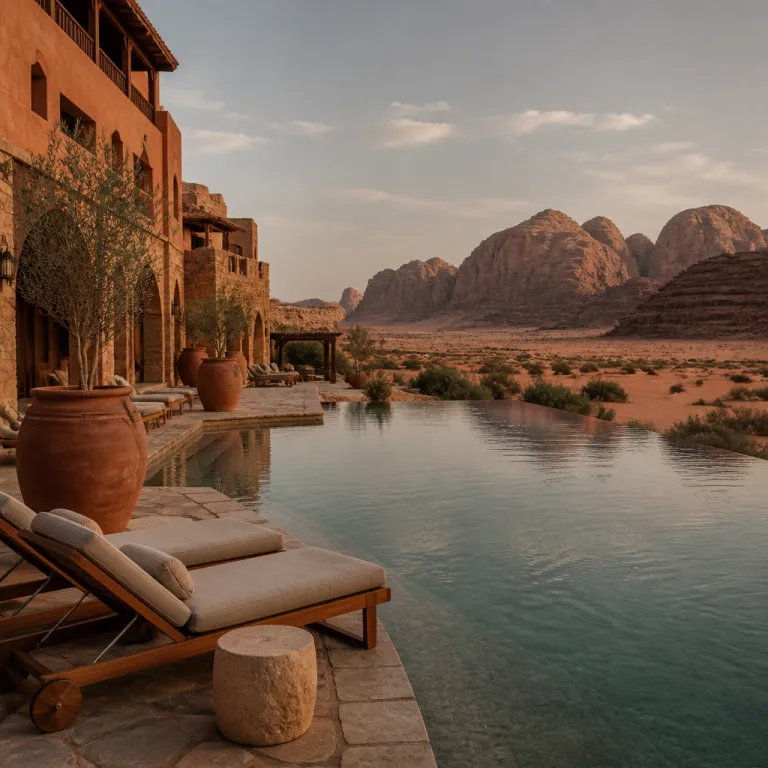
Why tourist attractions in Jordan, Middle East pair so well with luxury stays
Jordan is one of the rare countries where ancient heritage sites sit beside refined luxury hotels. In this compact destination, you can move from the lively city of Amman to silent desert landscapes and the Dead Sea in a single day, which makes planning premium itineraries remarkably efficient. For travellers using a high-end hotel booking platform in Jordan, this variety of tourist attractions in Jordan, Middle East translates into curated routes that balance comfort, culture, and adventure.
The most popular places to visit Jordan include Petra, Wadi Rum, the Dead Sea, Jerash, and the Red Sea coast near Aqaba, and each of these top places offers a distinct mood that influences where you should sleep. Petra and its surrounding wadi landscapes invite stays in refined desert lodges, while Wadi Rum and the desert castles region call for immersive camps that still deliver high thread counts and private decks. Along the Dead Sea shoreline, luxury resorts sit more than 400 metres below sea level, giving guests direct access to mineral rich waters and spa rituals that feel inseparable from the landscape. According to figures regularly cited by the Jordan Tourism Board and UNESCO related reporting, this combination of natural and cultural sites underpins Jordan’s reputation as a compact yet varied luxury destination.
When you plan which places to visit, think in terms of contrasts between city and desert, sea and highland, ruins and living culture. A day trip from Amman can take you to the Roman ruins of Jerash in the morning, a Crusader era fortress such as Karak Castle at midday, and a peaceful nature reserve like the Dana Biosphere in the late afternoon. Typical driving times between these stops range from one to three hours, so it helps to build in pauses for coffee or viewpoints rather than treating the day as a race. This rhythm lets you enjoy archaeological museums and heritage sites by day, then return to a calm city hotel with polished service, refined dining, and concierge teams who understand how to unlock Jordan hidden experiences.
Petra adventures and luxury hotels around Wadi Musa
Petra is the crown jewel among tourist attractions in Jordan, Middle East, and it deserves at least two full days if you value depth over haste. The main entrance lies near the town of Wadi Musa, where luxury and premium hotels cluster to serve travellers who want early access to the site and late returns after sunset. Using a specialised hotel booking website in Jordan allows you to filter properties by walking distance to the Petra gate, private transfers, and spa facilities that help you recover after long days among the ruins.
Inside Petra itself, the Siq canyon leads you to Al Khazneh, also known as the Treasury, whose façade rises about 45 metres high against the rock, and this sense of scale is one reason Petra attracts around 1 100 000 visitors per year according to figures frequently cited by the Jordanian authorities and UNESCO related summaries. Beyond the Treasury, trails climb towards the Monastery, the High Place of Sacrifice, and remote wadi viewpoints that feel far from the crowds, which is where a carefully planned day trip or private guided route becomes essential. Many luxury travellers now combine Petra with nearby Little Petra and high plateau viewpoints, and a refined planning resource such as an elegant guide to Little Petra and luxury stays near Wadi Musa can help you align hotel choices with specific hiking ambitions.
For guests who want privacy, some premium lodges sit outside the main city streets of Wadi Musa, overlooking the wadi system that frames Petra’s sandstone cliffs. A local guide in Wadi Musa likes to say that “the best rooms are the ones where you wake up already facing the rocks,” and many travellers agree. These properties often arrange sunrise or sunset transfers, curated archaeological museum visits in Amman before or after Petra, and tailored excursions to nearby heritage sites such as Shobak Castle. When comparing options on a luxury hotel booking platform, look for properties that understand both the physical demands of Petra and the emotional impact of walking through such a layered heritage site, because that combination shapes how rested and inspired you feel each day.
Petra by night, Wadi Rum, and the art of desert luxury
Many travellers now time their stay so they can experience Petra by night, when hundreds of candles line the Siq and the Treasury, and this atmospheric event pairs beautifully with a stay in a calm, high end hotel. To plan this, you need at least one extra night in the Petra and Wadi Musa area, and a reliable booking website helps you secure flexible rates in case the schedule shifts. For deeper context on this experience, consult an elegant guide to experiencing Petra at night in luxury, then match its recommendations with properties that offer late dinners and relaxed check out times.
From Petra, many itineraries continue south towards Wadi Rum, the desert rum valley that has become one of the most popular tourist attractions in Jordan, Middle East for both adventure and stargazing. The drive from Wadi Musa to Wadi Rum usually takes around two hours by private car, which makes it easy to leave Petra after breakfast and arrive in time for a late lunch in the desert. Here, luxury tented camps and glass fronted suites sit within the wadi landscape, giving you direct views of sandstone massifs that glow red at sunset, while still providing private bathrooms, climate control, and curated dining. When you browse a list of camps on a premium booking platform, pay attention to whether the property is inside the protected area, how far it sits from the main road, and which guided activities such as jeep tours, camel rides, or hiking are included.
Safety is a frequent concern for first time visitors, and the Jordan Tourism Board addresses this directly through its guidance that “Is Wadi Rum safe for tourists? Yes, with guided tours and safety measures.” Luxury camps usually work with licensed local tour operators who know the wadi routes intimately, which means you can focus on the shifting colours of the desert rather than logistics. A Bedouin guide might point out constellations over tea, turning a simple stargazing session into a story about navigation and nomadic life. Combining Petra, Wadi Rum, and a final night in the city of Amman creates a balanced arc that moves from ruins to desert to urban comfort, and a sophisticated hotel booking website in Jordan can knit these segments into one seamless reservation plan.
Dead Sea, Wadi Mujib, and nature reserves for wellness focused stays
The Dead Sea region is another anchor among tourist attractions in Jordan, Middle East, especially for travellers who value wellness and spa experiences. Luxury resorts line the eastern shore of the Dead Sea, where the water surface lies more than 400 metres below sea level according to widely referenced geological surveys, creating a microclimate that feels warmer and denser than the highlands. When you book through a premium hotel platform, compare private beach access, spa menus using Dead Sea mud and salts, and room categories that face the sea rather than the internal courtyards.
Many guests pair a Dead Sea stay with a day trip into Wadi Mujib, a dramatic canyon and nature reserve that offers seasonal water hikes through narrow gorges. Because Wadi Mujib is a protected nature reserve, access rules and trail openings can change, so it helps to choose hotels whose concierge teams maintain up to date information and can arrange licensed guides. Expect to spend half a day on the most popular water trails, with transfer times from Dead Sea resorts typically ranging from 20 to 40 minutes. This combination of floating in the Dead Sea, hiking in a wadi, and returning to a calm suite with a balcony over the water creates a rhythm that feels both restorative and energising.
Further south, the Dana Biosphere Reserve offers another style of nature immersion, with eco focused lodges that still meet the expectations of many premium travellers who value authenticity over formality. These properties often sit near cliff edges or within small stone villages, giving you views across the wadi systems that cut through central Jordan, and they work well as a pause between city stays in Amman and heritage site visits in Petra. When you use a luxury and premium hotel booking website in Jordan, look for itineraries that link the Dead Sea, Wadi Mujib, and the Dana Biosphere into a coherent route, rather than treating each place as an isolated stop.
Amman, Jerash, Umm Qais, and the northern heritage sites
The capital city of Amman is often seen only as an arrival and departure point, yet it deserves attention in any serious guide to tourist attractions in Jordan, Middle East. The city combines Roman ruins such as the Amman Citadel and Theatre with contemporary galleries, refined restaurants, and hotels that understand the needs of international luxury guests. When choosing where to stay, consider whether you prefer central city energy near Rainbow Street or a quieter hilltop property with sweeping views and easy access to the airport road.
From Amman, you can reach Jerash in about one hour by road, where some of the best preserved Roman ruins in the country stretch across a broad valley. Colonnaded streets, theatres, and temples here give a vivid sense of how a Roman city functioned, and guided tours help you read the stonework rather than just photographing it. Many luxury travellers arrange a private car and driver through their hotel or booking platform, allowing them to visit Jerash in the morning and return to Amman for an afternoon at an archaeological museum or a spa. Typical day rates for a private vehicle and driver are often quoted in the range of a few hundred US dollars, depending on distance and vehicle class.
Further north, Umm Qais overlooks the Jordan Valley and, on clear days, offers views towards the Golan Heights and the Sea of Galilee, which makes it one of the more atmospheric places to visit Jordan for those who enjoy layered landscapes. The ruins here include a Roman theatre and Ottoman village houses, and the surrounding countryside feels calmer than the more popular sites further south. A well designed hotel booking website in Jordan will often suggest pairing Amman, Jerash, and Umm Qais in a two or three night circuit, using the city as a base while you explore these northern heritage sites by private transfer.
Desert castles, Red Sea stays, and design forward luxury in Jordan
East of Amman, the so called desert castles form a chain of early Islamic structures that once served as caravan stops, hunting lodges, or agricultural estates. These desert castles, including Qasr Amra and Qasr Kharana, are not castles in the European sense, yet they are essential heritage sites for understanding how power and art moved across the Middle East. Because they sit in open desert, many travellers visit them on a day trip from the city, returning to a luxury hotel that offers shaded pools and refined dining after hours in the sun.
In the south, the Red Sea resort city of Aqaba offers a different dimension to tourist attractions in Jordan, Middle East, with coral reefs, water sports, and views across the gulf towards Saudi Arabia. Luxury hotels here often sit directly on the sea, with private beaches, marinas, and dive centres that arrange boat trips to nearby reefs, and they work well as a final pause after more intense days in Petra or Wadi Rum. When comparing properties on a premium booking website, look at how each hotel integrates the sea into its design, from open air lounges to rooms that frame the water rather than the city streets.
Across the country, a new generation of design forward properties is rethinking how luxury relates to the desert, the wadi landscapes, and the sea. Some of the most interesting examples appear in Wadi Rum and along the Dead Sea, where architects use glass, basalt, and canvas to frame views rather than compete with them, a trend explored in depth in this analysis of three design schools redefining desert stays in Jordan. When you use a luxury and premium hotel booking website in Jordan, seek out properties that engage with their surroundings in this thoughtful way, because they turn each place you visit into an experience that feels rooted rather than generic.
How to structure a luxury itinerary across Jordan’s top places
Designing an elegant route through tourist attractions in Jordan, Middle East starts with understanding distance, climate, and your own pace. A classic seven to ten night luxury itinerary might begin in Amman, continue to Jerash and the northern heritage sites, then move south through the desert castles corridor towards Petra, Wadi Rum, and finally the Dead Sea or Red Sea. Using a single premium hotel booking website in Jordan to manage these segments simplifies payments, special requests, and loyalty benefits.
When you plan, think about how many heritage sites and ruins you genuinely want to see in a single day, because fatigue can dull even the most impressive Roman theatre or Crusader castle. For example, pairing Petra and Wadi Rum on consecutive days works well if you alternate intense hiking with more relaxed jeep tours or stargazing evenings, while combining Jerash, Umm Qais, and an archaeological museum in Amman might suit travellers who enjoy a denser cultural programme. Always factor in the country’s varied sea level and altitude shifts, from the highlands around Amman to the depths of the Dead Sea, because these changes influence temperature, hydration needs, and how rested you feel.
Regional context also matters, especially for guests combining Jordan with neighbouring Saudi Arabia or other Middle East destinations. Border crossings, flight schedules, and visa rules can shape whether you end your Jordan journey at the Red Sea, the Dead Sea, or back in the capital city, and a sophisticated booking platform often partners with local tour operators to align hotels with transport. Above all, choose properties that respect local customs, support nearby communities, and work with licensed guides, because this approach turns each place you visit Jordan into part of a wider story of preservation, hospitality, and shared heritage.
Key figures on Jordan’s major attractions
- Petra receives around 1 100 000 visitors per year according to figures frequently referenced by the Jordan Tourism Board and UNESCO related reporting, which makes it the single most visited heritage site in the country and a central anchor for most itineraries.
- The façade of Al Khazneh, or the Treasury in Petra, rises about 45 metres high as documented in widely cited archaeological surveys, giving visitors a powerful sense of scale when they emerge from the Siq canyon.
- Major sites such as Petra, Wadi Rum, the Dead Sea, Jerash, and Aqaba are accessible year round, although spring and autumn offer the most comfortable temperatures for outdoor exploration across the country.
- Spring and autumn are considered the best times to visit Petra because they offer pleasant weather, which helps travellers manage long walking distances and elevation changes within the site.
FAQ about luxury travel and attractions in Jordan
What is the best time to visit Petra for luxury travellers ?
Spring and autumn offer pleasant weather, which aligns well with longer guided hikes, photography sessions, and extended time among the ruins. During these seasons, luxury hotels in Wadi Musa and the surrounding wadi areas often run curated experiences such as private sunrise entries or evening storytelling. High summer can still work if you focus on early morning and late afternoon visits, then retreat to air conditioned suites during the hottest hours.
Is Wadi Rum safe for high end desert stays ?
Is Wadi Rum safe for tourists? Yes, with guided tours and safety measures. Most luxury camps operate inside the protected area and work with licensed local guides who know the wadi routes and weather patterns intimately. When booking, choose properties that provide clear information on safety protocols, vehicle standards, and communication systems, especially if you are travelling with family members.
Can you swim in the Dead Sea during a luxury resort stay ?
Can you swim in the Dead Sea? Yes, but avoid getting water in your eyes. The high salinity makes floating effortless, yet it also means any cuts or sensitive skin may sting, so most luxury resorts provide freshwater showers directly on the beach. Many properties also offer supervised access points, lifeguards, and spa teams who explain how long to stay in the water for a comfortable experience.
How many days should I plan for Petra and Wadi Rum ?
For a balanced luxury itinerary, plan at least two full days in Petra and one or two nights in Wadi Rum. This allows time for the main Petra monuments, a quieter hike to viewpoints above the city of ruins, and an optional Petra by night experience. In Wadi Rum, one night covers a jeep tour and stargazing, while two nights let you add hiking, camel rides, or simply more time to enjoy the desert from your camp.
Do I need guided tours at Jordan’s heritage sites if I stay in luxury hotels ?
Guided tours add significant value at major heritage sites such as Petra, Jerash, and the desert castles, even for experienced travellers staying in high end hotels. Licensed guides provide historical context, route optimisation, and access to viewpoints you might otherwise miss, which deepens your understanding of each place. Many luxury and premium hotel booking websites in Jordan partner with trusted local tour operators, allowing you to bundle accommodation and guiding into a single, well coordinated plan.