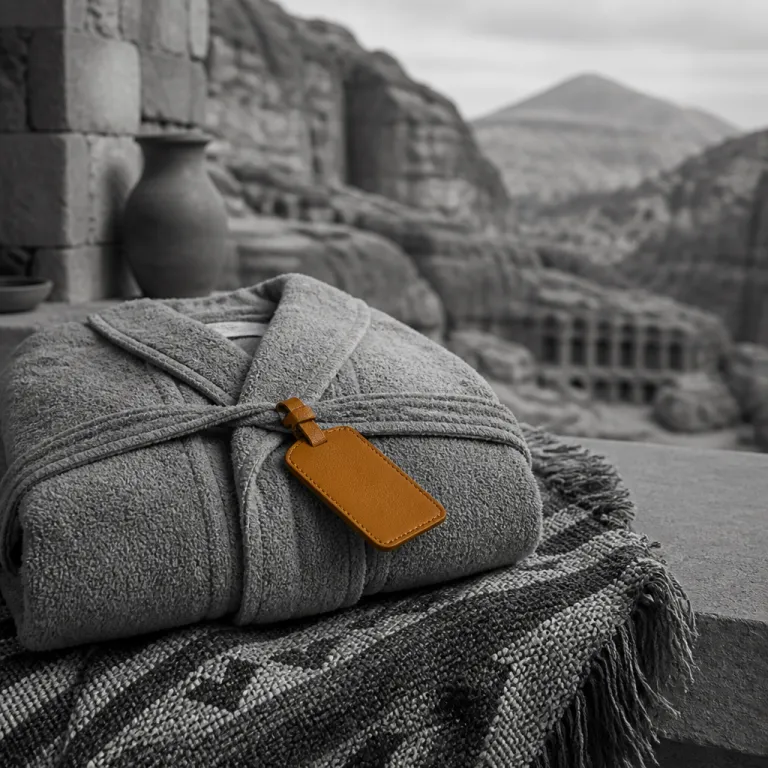
Mount Hor in Jordan and the art of choosing the right luxury base
Mount Hor in Jordan rises above the sandstone ridges near Petra, creating a dramatic backdrop for luxury travelers who value both comfort and meaning. This peak, widely identified with Jabal Haroun, is revered in Jewish, Christian, and Islamic tradition as the place where Aaron died under the gaze of Moses and the people of Israel. When you plan a premium stay around Mount Hor, your choice of hotel shapes how you experience the sacred summit, the surrounding wadi landscapes, and the wider landscapes of southern Jordan.
The summit of this mountain, known locally as Jabal Haroun or Hor Jabal, reaches roughly 1,350 meters and offers sweeping views across the highlands toward the land of Israel and the rugged Jordanian desert. From many high-end rooms in Petra, you can watch the light change over the massif and imagine the ancient caravan routes that once linked Petra’s wadis to Wadi Rum and the Dead Sea. Selecting a hotel with panoramic terraces or a rooftop lounge lets you appreciate Mount Hor as both a spiritual shrine and a timeless desert landmark.
Luxury travelers often want seamless access to the tomb of Aaron, the small white shrine that crowns Hor Mount above Petra, while still enjoying refined service and privacy. The traditional narrative that Aaron died on this mountain, and that his burial place still lies beneath the shrine, gives the area a contemplative atmosphere that pairs well with calm, understated properties. When evaluating premium hotels near Mount Hor, look for concierge teams who understand the religious significance of the site and can arrange respectful, well-paced day tours with licensed guides.
Where to stay in Petra for refined access to mount Hor and jabal Haroun
Most luxury visitors base themselves in Petra, because it offers the best combination of five-star comfort, heritage ambiance, and proximity to Mount Hor. High-end properties near the Petra Visitor Center allow you to reach the trailheads toward Jabal Haroun and the shrine early in the day, before the heat builds in the wadis. This location also makes it easy to balance spiritual visits to the resting place of Aaron with leisurely afternoons by the pool or in a spa.
Several premium hotels in Petra occupy elevated positions that frame the mountain and the surrounding valleys in soft evening light. From these terraces you can see the outlines of Hor Mount and the distant ridges that lead toward Wadi Rum and the Dead Sea, while enjoying refined Jordanian cuisine. When comparing options, consider whether you prefer a grand resort-style property close to the entrance or a quieter heritage stay slightly above town, which can offer more intimate views of the mountain and the ancient construction below.
Travelers interested in sleeping within historic walls while exploring Mount Hor should also look at curated heritage stays across Petra and nearby towns. A useful starting point is the guide to sleeping inside history in Petra and the Decapolis, which highlights characterful properties that pair well with visits to Jabal Haroun and the monastic complex around the shrine. These stays often work closely with local guides who know the safest routes toward the summit and can explain how the land of Israel, Edom, and modern Jordan intersect in the biblical narrative.
Designing Petra adventures that respect the sacred resting place of Aaron
Climbing Mount Hor in Jordan is a demanding but rewarding experience, especially for travelers who value both physical challenge and spiritual reflection. The path toward Hor Jabal and the shrine of Prophet Aaron involves steep sections, loose stones, and exposure to sun, so luxury travelers should plan carefully with experienced guides. Many high-end hotels in Petra maintain relationships with certified operators who can arrange private guided Mount Hor sunrise treks from Petra that include the summit, nearby viewpoints, and quiet moments for contemplation.
When planning Petra adventures around Mount Hor, consider how you want to balance religious history with landscape immersion. Some guests focus on the story of how Aaron died on the mountain while Moses and Eleazar watched, marking his death as a pivotal transition in the priesthood of Israel. Others are drawn to the way the massif rises above Petra’s wadis, forming a natural watchtower over the city, the surrounding canyon systems, and the distant plains that lead toward the Dead Sea and the land of Israel.
Evening experiences can be just as powerful as daytime hikes, especially when combined with refined hospitality. For a sense of how to pair luxury stays with atmospheric experiences, consult this elegant guide to Petra at night in luxury, then adapt the same principles to early morning or late afternoon visits to Hor Petra and Jabal Haroun. By staggering your day tours, you can enjoy the great silence around the resting place of Aaron at off-peak times, then return to your hotel for spa treatments, fine dining, or a quiet drink overlooking the mountain.
Religious heritage around mount Hor: mosques, shrines, and monastic remains
The summit of Mount Hor in Jordan is crowned by a small white shrine and mosque complex that many pilgrims associate with the tomb of Aaron. This structure, often called the mosque of Jabal Haroun in local speech, stands on the site traditionally revered as the place where Aaron was buried after his final ascent with Moses. Archaeological work by the Finnish Jabal Haroun Project has also revealed traces of a Byzantine monastic complex near the shrine, suggesting that Christian communities once guarded this resting place and welcomed travelers crossing between Petra and the land of Israel.[1]
Within the shrine, visitors reflect on the narrative that Aaron died here after removing his priestly garments, which then passed to Eleazar as a sign of continuity for Israel. The phrase “Where is Mount Hor located? Near Petra, Jordan.” appears frequently in religious guidebooks, underlining how closely the mountain is tied to Petra and the wider region. For many guests, standing near the traditional burial site while looking toward the distant Dead Sea and Wadi Rum creates a powerful sense of how geography, faith, and history converge on this single mountain.
Respectful behavior is essential when visiting any mosque or shrine on Mount Hor, especially given its importance to those who venerate Prophet Aaron. Dress modestly, move quietly, and follow local guidance about photography, as this final home remains an active site of devotion. Luxury hotels with strong cultural etiquette standards will brief guests before their day tours, ensuring that visits to Hor Mount, Jabal Haroun, and the surrounding wadi landscapes honor both local custom and the deep memory of Aaron’s death.
Combining mount Hor, Petra, Wadi Rum, and the Dead Sea in one luxury itinerary
Many high-end travelers treat Mount Hor in Jordan as one highlight within a broader circuit that includes Petra, Wadi Rum, and the Dead Sea. Starting in Petra allows you to explore the Siq, the Treasury, and the high places before dedicating a full day to Hor Jabal and the shrine of Prophet Aaron. From there, private transfers can carry you across the southern desert toward Wadi Rum, where the sandstone mountains echo the forms of Mount Hor and frame some of the region’s most dramatic skies.
In Wadi Rum, you can trade the stone stairways of Hor Mount for 4x4 drives, camel rides, or even sunrise flights over the wadi. For a detailed look at aerial experiences, consult this guide to hot air balloons over Wadi Rum, then decide how to weave such flights into your schedule after visiting Jabal Haroun. Ending the journey at the Dead Sea provides a soothing contrast, as the mineral-rich waters ease muscles tired from climbing the mountain and walking through Petra’s canyons.
Throughout this itinerary, the story of how Aaron died on Mount Hor and how his resting place became a shrine links each landscape into a coherent narrative. From the carved façades of Petra to the open horizons of Wadi Rum and the reflective stillness of the Dead Sea, you move through the same Jordanian landscapes that once framed the journeys of Moses and the people of Israel. Luxury hotels along the route can coordinate luggage transfers, private guides, and tailored day tours, allowing you to focus on the emotional resonance of each place rather than the logistics of moving between them.
Practical tips for luxury travelers visiting mount Hor in Jordan
Reaching the summit of Mount Hor in Jordan requires a good level of fitness, even when you travel with private guides and support. The ascent to Jabal Haroun typically takes several hours each way, with steep sections that demand sturdy footwear, sun protection, and at least two liters of water per person. Many travelers choose to start their day tours before sunrise, leaving from their hotel in Petra so they can reach the shrine of Prophet Aaron while temperatures are still mild.
Because the mountain is a sacred place, it is wise to coordinate your visit through a reputable operator or through the concierge of a trusted luxury hotel. They can arrange licensed guides who understand both the religious significance of the site and the practical realities of hiking in a remote wadi environment. These guides will also know how to pace the ascent, where to pause for views over Petra’s wadis and the land of Israel, and how to navigate any seasonal changes in the trail.
Travel insurance that covers hiking activities is recommended, even for guests who usually focus on spa stays and fine dining in Jordan. Pack light layers to adapt to changing temperatures on Hor Mount, and consider trekking poles if you are not used to uneven terrain. Above all, remember that you are entering the resting place of Aaron, so treat the mosque, the shrine, and the surrounding monastic complex with the same respect you would show any great mosque or church, whether in Petra, Wadi Rum villages, or elsewhere in Israel.
Key figures and context around mount Hor in Jordan
- Mount Hor, identified with Jabal Haroun near Petra, rises to about 1,350 meters above sea level, which makes it significantly higher than Petra itself and explains the demanding nature of the climb.[2]
- The coordinates often cited for Jabal Haroun are approximately 30.3178° north and 35.3889° east, placing the mountain firmly within the rugged highlands of southern Jordan just southwest of the main Petra wadi.[2]
- Religious tourism linked to the traditional tomb of Aaron and the shrine of Prophet Aaron has increased in recent decades, contributing to Petra’s status as one of the most visited sites in Jordan and reinforcing demand for luxury and premium hotels in the region.[3]
- Historical timelines connect Mount Hor with the biblical journey from Kadesh toward the Promised Land, situating Aaron’s death within a broader narrative that still shapes how many visitors from Israel and beyond understand the landscape.
Frequently asked questions about mount Hor in Jordan
Where is Mount Hor located?
Mount Hor is located near the city of Petra in Jordan, rising above the southwestern edge of the Petra wadi system. Locally it is often called Jabal Haroun, and it can be reached by guided hikes that start from the Petra area. The mountain stands within a rugged desert landscape that also connects, by road, to Wadi Rum and the Dead Sea.
Who died on Mount Hor and why is it significant?
According to biblical tradition, Aaron, the brother of Moses and the first high priest of Israel, died on Mount Hor after ascending the mountain with Moses and Eleazar. The site is revered as his resting place, and many visitors believe that the tomb lies beneath the small mosque and shrine at the summit. This association makes Mount Hor an important destination for religious pilgrims and historically minded travelers alike.
How difficult is the hike to the shrine of Aaron?
The hike to the shrine of Prophet Aaron on Jabal Haroun is considered strenuous, with several hours of walking on steep and sometimes loose terrain. Travelers should be prepared with good footwear, sun protection, and sufficient water, even when accompanied by experienced guides. Luxury hotels in Petra can help arrange appropriate day tours and advise whether the route suits your fitness level.
Can I visit Mount Hor as a day trip from Petra?
Yes, many visitors treat Mount Hor as a full-day excursion from Petra, starting early in the morning and returning by late afternoon. Private guides and organized day tours typically include transport to the trailhead, the ascent to Hor Mount, time at the traditional tomb of Aaron, and rest stops with views over the land of Israel and the surrounding wadi systems. Because the route is demanding, it is best to dedicate an entire day rather than combining it with other major Petra sites.
Is Mount Hor accessible for non religious travelers?
Mount Hor in Jordan welcomes both religious pilgrims and travelers who are primarily interested in history, landscape, or adventure. Non-religious visitors are asked to respect the mosque, the shrine, and local customs at the resting place of Aaron, but they are not required to participate in any specific rituals. Many luxury travelers combine the hike with broader itineraries that include Petra, Wadi Rum, and the Dead Sea, treating the mountain as one powerful chapter in a wider journey across Jordan.
Sources: [1] Finnish Jabal Haroun Project excavation reports on the Byzantine monastery near Jabal Haroun; [2] Topographic and cartographic data from regional mapping of Petra and Jabal Haroun; [3] Jordan Ministry of Tourism and Antiquities visitor statistics and religious tourism reports.