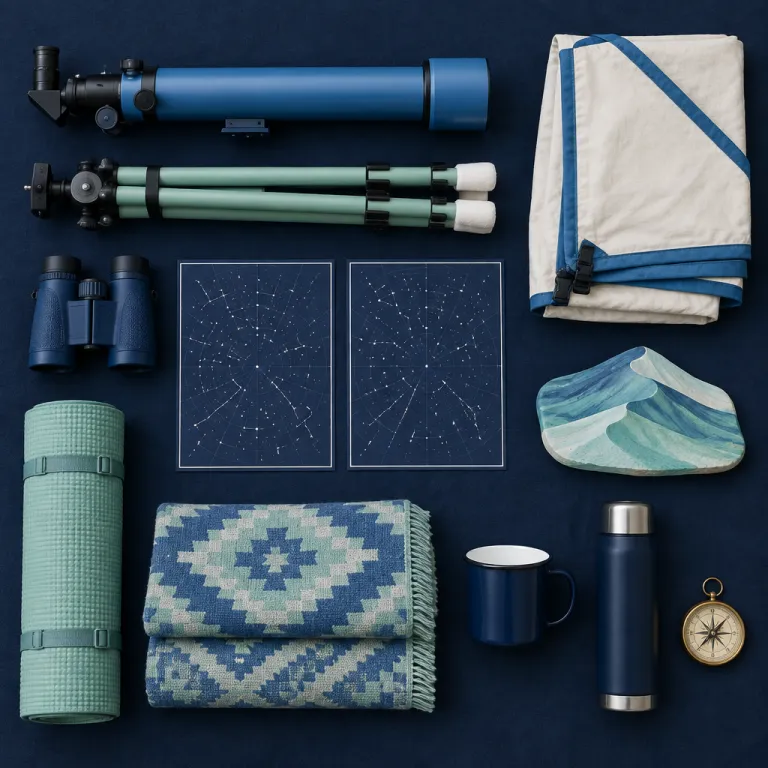
Why Wadi Rum’s darkness matters for serious stargazing
Wadi Rum is not just another pretty Jordan desert ; it is a protected area with Bortle Class 1 to 2 darkness that rivals the best observatories. Under this night sky the Milky Way becomes a pale river bright enough to cast faint shadows on the sand, and a committed wadi rum stargazing camp will structure every part of your stay around that celestial theatre. When you choose a camp in this rum desert you are really choosing how you want to feel when the lights go off and the stars take over.
In practical terms Bortle Class 1 means you can see the Andromeda galaxy with the naked eye, while a Class 2 night still offers dense star fields and regular meteor activity. A serious luxury camp will dim all artificial light after dinner so that each camp night feels like stepping into a planetarium without a roof, and the best wadi properties even orient their bedouin tents to shield guests from neighbouring glow. Couples who stay wadi for two or three nights notice how their eyes adapt more quickly each day and how the constellations become familiar companions rather than distant abstractions.
This level of darkness also changes how you plan your day and night balance in the desert. Many travellers now book a full day jeep tour followed by a quiet evening in a dedicated stargazing zone rather than a noisy communal fire, because the rum luxury they seek is measured in silence and clarity rather than in generators and playlists. When you evaluate different desert camps in Jordan ask directly how they manage light discipline, whether the camp wadi pathways are shielded, and if the tents have blackout options that let you sleep stars free from intrusive beams.
Choosing a Wadi Rum stargazing camp that takes the sky seriously
Not every rum camp that advertises stars is built for genuine stargazing, and the gap between marketing and reality can be wide. A true wadi rum stargazing camp will have a dedicated observation terrace away from the main desert camp fire, with guide operated telescopes rather than a lonely tripod left in the sand. When you compare camps in Jordan focus less on Instagram domes and more on whether the team can explain what you will actually see in the night sky during your stay.
Look for properties that limit vehicle movement after dark so that a late day jeep arrival does not wash out your long exposure photographs. Some of the best wadi options schedule the jeep tour and any camel ride to finish before astronomical twilight, then shift the energy toward quiet sky watching with blankets and low red lights. These details signal a camp that understands the difference between a generic desert experience and a curated astrotourism programme designed for couples who value intimacy and precision.
For travellers using myjordanstay.com to plan a rum luxury escape, the most reliable luxury camp choices in this protected area are those already recognised for refined desert architecture and thoughtful service. Our dedicated guide to Jordanian desert elegance in Wadi Rum highlights camps where bedouin hospitality coexists with serious telescopes and clear policies on generator hours. When you finally visit Wadi Rum and walk back to your bedouin camp after dinner you should feel the temperature drop, hear only distant camel bells, and see the Milky Way arching over the tents like a private ceiling.
Telescopes, photography and the camps built for astrophotographers
For many guests the ideal wadi rum stargazing camp is the one that treats cameras with the same respect as telescopes. Long exposure astrophotography in the rum desert demands stable tripods, patient guides and a camp layout that keeps light sources predictable throughout the night. Before you book ask whether the desert camp allows guests to roam with tripods after lights out or prefers everyone to remain near the main fire circle.
Some luxury camp operators now offer structured night sky sessions where a guide leads a short jeep tour to a dark plateau, sets up both a telescope and a camera station, then leaves couples to work quietly while still ensuring safety. These programmes often include a second day jeep excursion focused on rock bridges and canyons at first light, creating a balanced stay where the day and night each have a clear purpose. If you plan to sleep stars side by side with your camera gear choose camps that provide secure storage in the bedouin tents and early breakfast times that match pre dawn shooting schedules.
Our in depth feature on Jordan Wadi Rum desert escapes for luxury travelers lists which camps welcome astrophotographers and which prefer a quieter, device free ambience. In practice the best wadi properties will mark out a specific camp wadi zone where red lights are mandatory, vehicles are banned and the only sounds are low bedouin voices and the click of shutters. When a camp night is managed this carefully you can capture the arc of stars over sandstone while still returning to a warm tent and a late pot of tea.
Bubble tents, bedouin camps and the comfort question
Transparent domes and bubble tents have become the visual shorthand for a modern wadi rum stargazing camp, but they are not always the most comfortable option. In the height of the day these structures can feel like greenhouses in the rum desert, and at night the lack of insulation sometimes makes couples reach for extra blankets rather than for their cameras. When you evaluate a rum camp with domes ask about shading, ventilation and whether there is a traditional bedouin tent alternative on the same site.
Classic bedouin tents made from goat hair breathe more naturally in the desert climate and often provide a better balance between privacy and access to the night sky. Many of the best wadi properties now pair a small cluster of domes with a larger bedouin camp core, allowing guests to choose between a glass roof and a fabric one while still sharing the same communal fire and camel ride options. For some travellers the true luxury camp experience is stepping outside a simple tent at 02.00, feeling the cool sand underfoot and letting the stars fill their vision without a pane of plastic in between.
Thermal comfort also shapes how long you can realistically stay outside during a camp night, which in turn affects how deeply you connect with the sky. A well designed desert camp will offer windbreaks, hot drinks and thick rugs so that couples can sleep stars adjacent on loungers for an hour or two before retreating indoors. If you are planning a longer stay wadi wide, consider splitting nights between a dome and a classic tent to understand how each architecture frames both the desert and your own Jordan experience.
Designing a two night itinerary around stars, sand and silence
A thoughtful wadi rum stargazing camp stay begins long before your jeep leaves the village edge. For couples arriving from other parts of Jordan the shift from city lights to rum desert darkness can feel almost theatrical, so it pays to structure a two night itinerary that lets your eyes and your rhythm adjust. On the first day many travellers choose a gentle day jeep tour that ends at sunset, followed by an early dinner and a short guided stargazing session to orient themselves under the night sky.
The second full day is ideal for a longer jeep tour combined with a camel ride at dawn or late afternoon, when the protected area is quiet and the sandstone glows. Some camps offer a full day circuit that links major rock bridges with hidden canyons, then returns you to the desert camp in time for a private telescope slot and a late camp night under the stars. If you are pairing Wadi Rum with the Dead Sea or Petra, consider reading our guide to refined Dead Sea stays to balance your overall Jordan experience with contrasting landscapes.
From a booking perspective look for flexible policies such as free cancellation up to a reasonable cut off, because rare dust storms can compromise visibility even in the best wadi seasons. When you finally visit Wadi Rum aim for moonless nights between September and November, when temperatures are kind to late sessions and the Milky Way stands high. A well chosen rum luxury camp will then handle the details, from timing the tea to dimming the lanterns, leaving you to focus on the simple act of looking up and letting the desert reset your sense of scale.
FAQ
What makes Wadi Rum one of the best places for stargazing ?
Wadi Rum sits within a protected area far from major urban centres, which keeps light pollution extremely low. Its Bortle Class 1 to 2 rating means the Milky Way, Andromeda galaxy and dense star fields are visible to the naked eye on clear nights. The combination of dry desert air, high transparency and minimal humidity creates consistently sharp views that many guests never experience at home.
How many nights should I stay in a Wadi Rum stargazing camp ?
Two nights is the sweet spot for most couples who want both stargazing and daytime exploration. The first camp night lets your eyes adapt and your body adjust to the desert rhythm, while the second night usually offers more confident sky recognition and better photography. A third night can be worthwhile if you are combining telescope sessions, long exposure images and a full day jeep or camel tour.
Are bubble tents better than traditional bedouin tents for watching the stars ?
Bubble tents offer uninterrupted overhead views, which can feel dramatic when you first lie down under the night sky. Traditional bedouin tents, however, often provide better thermal comfort, more privacy and easier access to dark open spaces just outside your door. Many luxury camps now offer both options so you can choose between a glass roof and a classic fabric shelter depending on your priorities.
When is the best time of year to visit Wadi Rum for stargazing ?
The clearest combination of comfortable night temperatures and early darkness usually falls between September and November. During these months the sun sets relatively early, giving you long observing windows without extreme cold, especially in a well managed desert camp. Whenever you plan your visit, try to avoid the week around the full moon, because its brightness will wash out many of the fainter stars and deep sky objects.
Do I need my own telescope for a Wadi Rum stargazing stay ?
You do not need to bring your own telescope, because several of the best wadi camps now provide guide operated instruments on site. Bringing binoculars can still enhance your experience, especially for scanning the Milky Way and larger objects like open clusters. If astrophotography is a priority, pack a sturdy tripod and a camera capable of manual long exposures, then confirm in advance that your chosen camp allows late night tripod use away from vehicle lights.