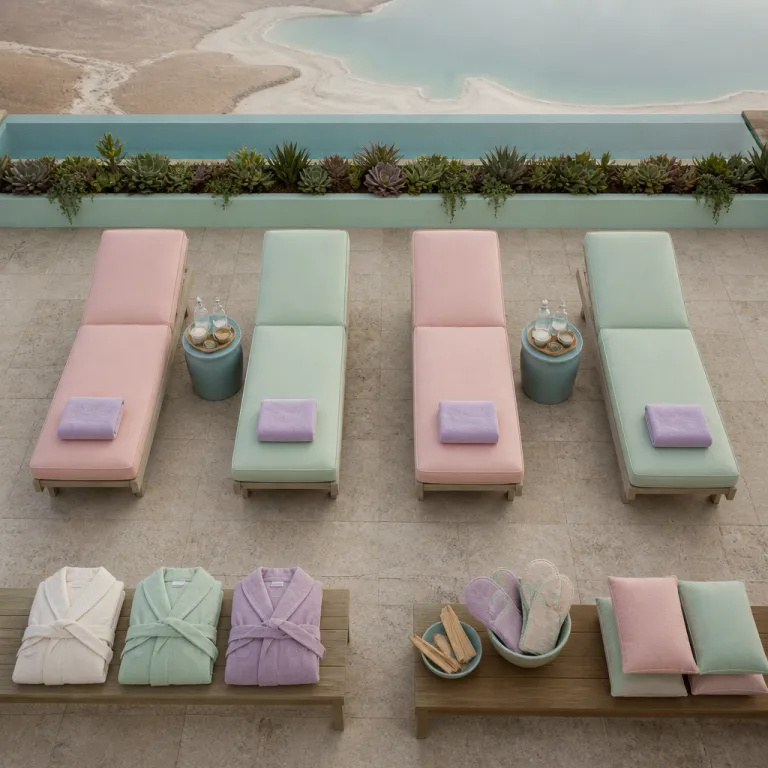
Why dead sea tourism captivates luxury travellers
Dead Sea tourism attracts travellers who want rare natural drama with refined comfort. The combination of hypersaline water, sculpted desert cliffs, and polished five-star hotels in Jordan creates a setting that feels both elemental and indulgent. This is the only place on earth where you can step from a marble lobby straight into water that sits more than 400 meters below global sea level.
For many guests, the first daylight view across the calm sea toward Israel is unforgettable, because the light softens the rugged desert and turns the water silver blue. The Dead Sea tourism board and leading hotel resorts have responded to this emotional pull with numerous wellness-focused properties located along the Jordan shoreline, each designed to maximise the complex panorama of cliffs, sea, and sky. Their shared objective is clear: increase Visit Jordan stays, support local communities, and position the Dead Sea in Jordan as a benchmark for restorative travel.
Luxury travellers also appreciate how easy it is to combine a day of floating in Jordan with cultural excursions to Petra and Wadi Rum. Many premium hotels curate private transfers so that guests can read a detailed post in their room, then step into a chauffeured car for a seamless journey between the lowest place on earth and the rose-red city of Petra. As one local concierge at the Kempinski Hotel Ishtar Dead Sea explains, “Our guests love that they can soak in mineral-rich water at breakfast and walk through Nabataean tombs by afternoon.” This blend of effortless logistics and deep historical narratives is central to the new generation of Dead Sea tourism experiences.
Choosing the best luxury hotels for a dead sea stay
Selecting the best hotels for Dead Sea tourism in Jordan starts with location, because the shoreline is divided into distinct zones with different moods. The main resort strip is located near the Amman Beach area, where large five-star hotels cluster along private stretches of salt-rich water and carefully groomed sand. Further along the coast, quieter properties sit on more secluded beach coves, ideal for guests who want the sound of gentle waves and desert silence rather than nightlife.
When you compare luxury hotels, look beyond the star rating and examine how each property integrates the therapeutic qualities of sea salt, mineral mud, and floating rituals into its spa programme. Some of the best options offer dedicated Dead Sea thalassotherapy pools, private floating sessions at sunrise, and in-room wellness amenities that use locally sourced salt scrubs. For travellers who value simplicity, an all-inclusive luxury stay along the Dead Sea can be an elegant solution, and you can explore curated options through this guide to all inclusive luxury hotels in Jordan.
High-end properties also differentiate themselves through thoughtful access to the water and the surrounding desert landscape. Look for wide, gently sloping paths down to the sea that make it easy to enter the water safely, as well as shaded cabanas on the beach for the hottest part of the day. Many hotels now collaborate with local tour operators and the Dead Sea tourism board to arrange private excursions that combine a morning at the lowest place on earth with an afternoon exploring nearby wadis or cultural sites, and some, such as the Dead Sea Marriott Resort & Spa, highlight partnerships with community guides in their sustainability reports.
Wellness rituals, floating sessions, and mineral rich mud
The essence of Dead Sea tourism lies in the ritual of entering the dense, mineral-rich water and feeling your body rise effortlessly to the surface. Because the salinity reaches more than 34 percent, far higher than any other sea, you do not swim in the usual sense; you experience buoyant moments where gravity seems suspended. Many guests describe their first time in the water as both playful and meditative, especially when the desert cliffs glow in the late afternoon light.
Luxury hotels in Jordan have elevated these natural advantages into structured wellness journeys that unfold over a full day or longer. A typical programme might begin with a guided application of warm Dead Sea mud on the beach, followed by a timed float in the sea and a fresh-water rinse, then a massage that uses sea-salt-based oils to stimulate circulation. To understand how different properties stage these experiences along the shoreline, consult this detailed Dead Sea circuit guide to luxury stays which maps each resort’s approach to wellness and access to the water.
Medical and wellness travellers are also drawn by the unique climate at this lowest place on earth, where the extra atmospheric layer filters ultraviolet rays and creates unusually soft sunlight. Spa directors often schedule outdoor treatments earlier or later in the day to take advantage of this gentle light, while still advising guests to use sunscreen and stay hydrated. Safety guidelines from regional wellness teams echo the same principles: stay hydrated, use sunscreen, avoid prolonged sun exposure, wear water shoes, and do not shave before entering the water.
Dead sea tourism within a wider jordan itinerary
For many travellers, Dead Sea tourism is one chapter in a wider Jordan journey that includes Petra, Wadi Rum, and Amman. The shoreline is located within comfortable driving distance of the capital, which makes it easy to end a cultural circuit with two or three restorative nights by the water. This structure works especially well for guests who want to balance intense days of exploration with quiet time at a resort.
A popular route begins in Amman, continues south to the archaeological marvel of Petra, then crosses the desert to the sculpted sandstone of Wadi Rum before looping back toward the Jordanian coast. From there, travellers often book a final stay at a five-star property where they can read a reflective post about their journey while watching the sun sink behind Israel on the opposite horizon. For a deeper look at how to weave refined stays into a cultural itinerary, many travellers consult this in-depth guide to refined stays and tailored adventures in Petra.
Some itineraries also include a cross-border perspective on the region, pairing Jordan’s Dead Sea resorts with a visit to the Israeli side near Ein Bokek or the oasis of Ein Gedi. While border formalities require planning, the reward is a fuller understanding of how this unique body of water shapes both landscapes and cultures. Whether you stay only on the Jordan shoreline or combine both sides, the contrast between desert plateaus, cultivated oases, and the still sea remains one of the most compelling aspects of Dead Sea tourism.
Understanding the science, history, and geography of the dead sea
Part of the sophistication of modern Dead Sea tourism lies in understanding why this body of water is so unusual. The basin sits at roughly 430 meters below sea level, making it the lowest place on the surface of the earth and creating a microclimate unlike any other, according to elevation data from the Geological Survey of Israel and Jordan’s Royal Jordanian Geographic Centre. Because the sea has no outlet and evaporation is intense, minerals accumulate and the water becomes extremely rich in salt and other compounds.
Guests often ask why the sea is called dead, and the scientific answer is simple: its high salinity prevents most life forms from surviving in the water. As regional experts explain, “Why is the Dead Sea called 'dead'? Its high salinity prevents most life forms.” This same concentration of minerals underpins the wellness reputation of the region, as visitors apply dark mud along the beach and feel the tingling effect on their skin during a carefully timed session.
The history of human engagement with this sea stretches back thousands of years, from ancient trade routes to modern wellness tourism. Today, environmental data from organisations such as the United Nations Environment Programme and national geological surveys shows that the water level is decreasing annually, and authorities are working with local tour operators, hotel resorts, and government tourism departments to raise awareness. When you read about these efforts as part of your trip planning, you gain a richer appreciation of how every Visit Jordan stay contributes to both the local economy and the long-term stewardship of this fragile place on earth.
Practical tips for a refined and responsible dead sea stay
Planning a luxury stay focused on Dead Sea tourism involves more than choosing a five-star property with a dramatic sea panorama. Start by deciding how many days you want to spend by the water, then align your booking with your wider Jordan route so transfers feel effortless rather than rushed. Many high-end hotels offer private cars, which makes it easy to move between the desert, the sea, and the capital without logistical stress.
Once you arrive, treat your first time in the water as a short, gentle session rather than a long swim. Enter slowly from the beach, lean back, and allow the dense water to lift you into a natural floating position while keeping your face clear of splashes. After ten to fifteen minutes, step out, rinse thoroughly in fresh water, and apply moisturiser to counter the drying effect of the sea salt.
Responsible travel choices also enhance the long-term sustainability of Dead Sea tourism and the surrounding desert ecosystems. Choose hotels that work with local tour operators and local businesses, support eco-tourism excursions that minimise vehicle use, and respect safety advice from the Dead Sea tourism board. When you read your booking confirmation or a hotel post about environmental initiatives, you are seeing part of a broader regional effort to revitalise tourism while protecting this singular shoreline for future generations.
Key figures shaping modern dead sea tourism
- The surface of the Dead Sea sits at roughly 430 meters below sea level, which makes it the lowest place on the exposed surface of the earth according to the Geological Survey of Israel and Jordanian mapping data, and this extreme elevation contributes to its distinctive climate and filtered sunlight.
- Salinity levels reach about 34 percent, meaning the water is almost ten times saltier than typical seawater according to regional limnological studies, and this creates the effortless floating experience that defines many luxury wellness programmes.
- Annual tourist visits to the wider Dead Sea region are estimated at well over one million according to figures cited by the Jordan Tourism Board and Israel’s Ministry of Tourism, a number that regional tourism boards aim to increase through digital marketing, partnerships with travel agencies, and hosting events such as the annual Dead Sea Festival.
- Regional wellness experts highlight that the combination of high mineral content, low altitude, and stable desert weather patterns supports a growing segment of eco-tourism and wellness retreats, which now form a significant share of premium bookings along the Jordanian shoreline.
FAQ about luxury dead sea tourism in jordan
Can you swim in the Dead Sea or only float ?
Visitors can technically swim in the Dead Sea, but the extreme salinity makes traditional strokes uncomfortable and difficult. As regional guidance explains, “Can you swim in the Dead Sea? Yes, but floating is more common due to buoyancy.” Luxury hotels therefore design their access points and safety briefings around short, controlled floating sessions rather than extended swimming.
Why is the Dead Sea shrinking, and does it affect tourism ?
The Dead Sea is shrinking because inflow from the Jordan River has decreased while evaporation remains intense in the desert climate. Experts confirm, “Is the Dead Sea shrinking? Yes, its water level is decreasing annually.” Tourism initiatives now emphasise responsible water use, environmental education, and support for local communities so that guests can enjoy the unique sea while contributing to long-term preservation.
How many days should I spend at the Dead Sea on a jordan trip ?
For most luxury travellers, one full day and two nights at the Dead Sea is the minimum to enjoy floating, mud treatments, and spa rituals without rushing. Many itineraries extend to three or four nights, especially when combined with visits to Petra and Wadi Rum. The ideal duration depends on whether you prioritise wellness, cultural excursions, or a balance of both.
Is the Dead Sea safe for children and older travellers ?
The region is generally safe for children and older guests when basic precautions are followed, such as limiting time in the water, avoiding splashes to the face, and wearing water shoes on the beach. Luxury hotels provide lifeguards, clear signage, and shallow entry points to the sea to support all age groups. Families often schedule floating sessions early or late in the day to avoid the strongest sun.
Which side of the Dead Sea should I choose, jordan or israel ?
Both the Jordan shoreline and the Israeli side near Ein Bokek and Ein Gedi offer high-quality hotels and spa facilities, but they provide different cultural contexts and itinerary options. Travellers focused on Petra, Wadi Rum, and Amman usually base themselves on the Jordan side, while those combining Jerusalem or Tel Aviv may prefer Israel. Some experienced visitors plan separate trips to appreciate the contrasts rather than trying to cross borders within a short stay.