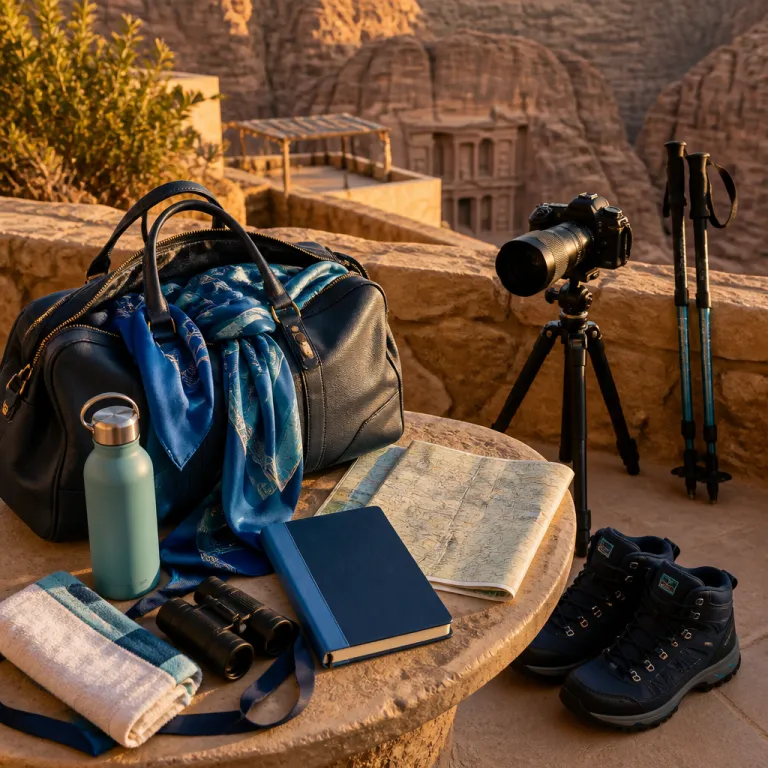
Jordan tourist attractions and how luxury travellers really move between them
Jordan tourist attractions stretch from the red cliffs of Petra to the calm shores of the Dead Sea. For luxury travellers, the real question is how to weave these places into one seamless journey that matches refined expectations. When you plan to visit Jordan, your hotel choices shape how easily you reach each city, desert, wadi, and sea.
The Jordan Tourism Board and the Ministry of Tourism and Antiquities coordinate closely with high end hotels, local tour guides, and transportation services across the country. This cooperation means that premium properties in Amman, Petra, Wadi Rum, and by the Dead Sea can arrange guided tours, private transfers, and timed entries to popular sites such as Jerash or the desert castles. With six UNESCO World Heritage sites and around 5.2 million annual visitors in 2023, according to official tourism statistics, choosing the right place to stay near each attraction is essential for comfort, privacy, and crowd free access.
Most luxury itineraries start in Amman, the capital city and main international gateway to Jordan. From here, you can reach the Roman ruins of Jerash, the hilltop ruins at Umm Qais, and the impressive Karak Castle and Shobak Castle on the historic King’s Highway. High end hotels in Amman often provide curated day trips that link these top places with refined dining stops, archaeological museum visits, and quiet moments along the Jordan River or in a nearby nature reserve.
Key hubs for luxury stays near major jordan tourist attractions
Amman works best as a base for the northern part of the country, including Jerash, Umm Qais, and the desert castles scattered toward Saudi Arabia. Petra and Wadi Rum form a second hub in the south, ideal for travellers focused on Jordan’s hidden valleys, canyons, and the Rum desert. A third hub lies between the Dead Sea and the Red Sea at Aqaba, where luxury hotels face either the Dead Sea or the Red Sea and offer easy access to both sea and desert.
When you compare these hubs, Amman excels for museums, Roman history, and vibrant city life, while Petra and Wadi Rum are better for immersive desert experiences and archaeological wonders. The Dead Sea and Aqaba region suit travellers who want spa focused stays, calm sea views, and quick access to marine reserves and coral reefs. By combining at least two hubs, you can link Jordan’s main sights into a balanced route that includes ruins, desert, sea, and city without exhausting transfers.
Petra adventures: choosing the right luxury base for the rose red city
Petra is the centrepiece of many Jordan itineraries, and your choice of hotel around Wadi Musa directly affects how you experience this ancient city. Staying in a premium property close to the Petra visitor centre allows you to enter early, avoid the most popular hours, and enjoy the ruins in softer light. For travellers who value privacy, some luxury hotels slightly outside the main town offer quieter surroundings and curated transfers into the site.
Petra itself is a vast archaeological city carved into sandstone cliffs, with trails that lead through the Siq, up to the Monastery, and across high viewpoints above the ruins. Because the site covers several square kilometres, many guests appreciate hotels that provide packed breakfasts, flexible spa hours, and late dinners after long days of exploration. Spring and autumn offer pleasant weather, and as the official guidance from the Petra Development and Tourism Region Authority notes, “What is the best time to visit Petra? Spring and autumn offer pleasant weather.”
Travellers interested in more intimate experiences often add Little Petra and nearby wadis to their itinerary, combining cultural visits with short hikes and desert sunsets. For a curated perspective on refined stays near Wadi Musa and the quieter side of the site, consult this elegant guide to Little Petra and luxury stays. Whether you choose a hotel within walking distance of the Petra gate or a retreat overlooking the surrounding desert, ensure that concierge teams can arrange licensed local tour guides, night visits, and private transfers to other top places in southern Jordan.
Designing Petra centred itineraries from luxury hotels
A well planned Petra stay usually includes at least two full days inside the site, with one day focused on the main monuments and another on lesser known trails and hidden viewpoints. Many luxury hotels coordinate with local tour guides who know how to avoid peak crowds at the Treasury, the Roman theatre, and the high places of sacrifice. These guides also help you understand how Petra connects to other Jordan highlights, from the Roman cities of the north to the desert castles of the east.
From Petra, it is easy to extend your journey to Wadi Rum, the Dead Sea, or the Dana Biosphere nature reserve, using your hotel as a planning hub. Some properties offer tailored packages that combine Petra by day with Wadi Rum by night, including transfers across the Rum desert and optional stops at Shobak Castle or Karak Castle. When you book, ask whether the hotel can secure timed entry tickets, arrange private evening visits, and provide detailed maps or tourist apps for self guided exploration.
Sleeping inside history: heritage luxury near castles, ruins, and Roman cities
One of the most distinctive aspects of Jordan’s cultural attractions is the chance to sleep close to living history. In several regions of the country, high end hotels and heritage stays occupy restored buildings near Roman ruins, medieval castles, and old city quarters. This approach allows you to move between your suite and major sites such as Jerash, Karak Castle, or Umm Qais in minutes rather than hours.
In the north, refined properties near Jerash place you within easy reach of colonnaded streets, Roman theatres, and hilltop temples. To the south, heritage inspired hotels around Karak Castle and Shobak Castle offer views over valleys and wadis that once guarded caravan routes across the Middle East. For a deeper look at these experiences, including options in Petra and the Decapolis cities, explore this curated overview of sleeping inside history in Petra, Karak, and the Decapolis.
Amman itself holds several Jordan tourist attractions that pair well with heritage style stays, including the citadel, the Roman theatre, and the main archaeological museum. From here, you can arrange day trips to the desert castles east of the city, where early Islamic art and remote desert landscapes create a strong contrast with the busy capital. Many luxury hotels in the city also maintain close relationships with the Jordan Tourism Board and local tour operators, ensuring that guests receive accurate information about opening hours, entry fees, and the benefits of the Jordan Pass for multiple places to visit.
How heritage focused hotels enhance cultural itineraries
Staying near historical sites changes how you experience Jordan’s landmarks, especially when you can walk to ruins at sunrise or return after dark. Heritage oriented luxury hotels often employ staff trained in local history, who can explain the significance of Roman engineering, Crusader era castle design, or Ottoman urban layouts. This expertise turns a simple overnight stay into an ongoing cultural conversation.
These properties also tend to collaborate with nearby museums and archaeological teams, sometimes hosting talks or small exhibitions in their public spaces. Guests interested in deeper learning can arrange private visits to an archaeological museum, behind the scenes tours of restoration projects, or guided walks that connect city quarters with surrounding wadis and nature reserves. When you plan your route, consider alternating nights in heritage stays with nights in spa resorts by the sea or in the desert, creating a rhythm between culture, relaxation, and adventure.
From Wadi Rum to the Dead Sea: luxury in Jordan’s desert and water landscapes
Few Jordan experiences rival the contrast between the Rum desert of Wadi Rum and the mineral rich waters of the Dead Sea. Both places offer premium hotels that frame the landscape through architecture, spa design, and curated excursions. For travellers, the key decision is how many nights to spend in each place to balance desert adventure with sea based relaxation.
Wadi Rum, often called the Valley of the Moon, is a protected desert reserve of sandstone mountains, narrow canyons, and open sand plains. High end camps and lodges here range from tented suites with private decks to solid structures that blend into the rock, all designed to showcase the night sky and the silence of the desert. As one local guide explains to visitors, “Is Wadi Rum safe for tourists? Yes, with guided tours and safety measures.”
The Dead Sea, the lowest point on earth at about 430 metres below sea level, lies along the western edge of the country and is lined with spa resorts that focus on wellness, mud treatments, and calm sea views. Many luxury properties here offer direct access to the water, controlled entry points, and shaded areas where you can float in the dense, mineral rich sea without crowds. Combining Wadi Rum and the Dead Sea in one itinerary lets you experience both the raw Rum desert and the soothing dead waters, with hotel concierges coordinating transfers and timing.
Designing desert and sea combinations from luxury bases
A common pattern among Jordan’s top sights is to spend one or two nights in Wadi Rum followed by two or three nights at the Dead Sea. In Wadi Rum, guided 4x4 tours, camel rides, and short hikes through wadis and rock bridges fill the day, while evenings focus on stargazing and traditional dinners. At the Dead Sea, the pace slows, with spa treatments, pool time, and short excursions to nearby places to visit such as Mount Nebo or the baptism sites along the Jordan River.
Luxury hotels in both regions often coordinate with each other, arranging private transfers that stop at viewpoints or lesser known hidden canyons along the way. Some itineraries also include Wadi Mujib, a dramatic gorge and nature reserve where guided canyoning routes allow you to experience fresh water wadis before returning to your sea facing suite. When you book, ask whether your hotel can secure permits for Wadi Mujib, organise sunset dinners in the desert, and advise on the best times of day to enjoy the Dead Sea without intense heat.
Aqaba, the Red Sea, and family friendly luxury by the water
On the southern tip of the country, Aqaba offers a different side of Jordan tourist attractions, focused on the Red Sea, coral reefs, and relaxed waterfront life. The city has become a popular base for families and couples who want both sea activities and easy access to Petra and Wadi Rum. High end hotels line the coast, many with private beaches, marinas, and direct access to marine reserves.
For travellers planning to visit Jordan with children, Aqaba’s resorts often provide kids’ clubs, shallow pools, and family suites that make longer stays comfortable. Snorkelling and diving trips reveal colourful reefs in the Red Sea, while glass bottom boat tours offer a gentler way to experience marine life. To understand how some properties manage coral reef access and pool logistics for families, review this detailed guide to Aqaba Red Sea hotels that understand children and coral reefs.
Aqaba also works well as a final stop after exploring other Jordan highlights such as Petra, Wadi Rum, and the Dead Sea. Many travellers choose to end their journey here, returning rental cars or meeting private drivers before flying out from the local airport or transferring back to Amman. Because Aqaba sits close to the borders with Saudi Arabia and other Middle East neighbours, it also attracts regional visitors who combine city shopping, sea activities, and short desert excursions.
Linking Aqaba with inland attractions from luxury hotels
From Aqaba, luxury hotels and tour operators can arrange day trips or overnight excursions to Petra and Wadi Rum, turning the city into a flexible base for multiple Jordan tourist attractions. A typical route might involve an early departure to Petra, a guided visit through the main city and its ruins, and a return to the sea by evening. Another option is to spend one night in Wadi Rum after leaving Aqaba, then continue north toward the Dead Sea or Amman.
Because Aqaba lies at sea level and Petra sits at higher altitude, some travellers prefer to acclimatise in the city before tackling long hikes through wadis and stairways in the ancient site. Hotels can advise on timing, weather, and the best sequence of places to visit based on your interests and fitness level. When planning, remember that Aqaba’s climate stays warmer than Amman or the highlands, making it an appealing year round stop for sun, sea, and relaxed evenings by the water.
Nature reserves, dana biosphere, and jordan hidden landscapes for luxury travellers
Beyond the famous Jordan tourist attractions, the country shelters a network of nature reserves that appeal to travellers seeking quieter landscapes. The Dana Biosphere Reserve, Wadi Mujib, and several smaller protected areas offer hiking, birdwatching, and canyoning experiences that contrast with city and desert stays. Luxury and premium travellers increasingly combine these reserves with heritage sites, creating itineraries that balance culture and nature.
The Dana Biosphere Reserve stretches from highland villages down to the desert floor, passing through multiple climate zones and ecosystems. Some high quality lodges and guesthouses sit on the edge of the reserve, offering views over deep wadis and access to guided trails that descend toward the Rum desert and the plains leading to Wadi Araba. While these properties may feel more rustic than city hotels, they often provide exceptional access to Jordan’s hidden valleys, wildlife, and night skies.
Wadi Mujib, closer to the Dead Sea, is another highlight among Jordan’s outdoor attractions for active travellers. Here, guided routes lead through narrow gorges where you wade, climb, and sometimes swim through fresh water pools, surrounded by steep canyon walls. Many luxury hotels at the Dead Sea coordinate with reserve authorities to arrange safe, guided visits, ensuring that guests return to their sea facing suites after a day of adventure in the wadi.
Integrating reserves into a premium jordan itinerary
When you plan to visit Jordan at a luxury level, consider how nature reserves fit between city, desert, and sea stays. One effective pattern is to travel from Amman to Dana, then continue to Petra, Wadi Rum, and finally the Dead Sea or Aqaba, using each place as a stepping stone between different landscapes. This route allows you to experience Roman ruins, medieval castles, wadis, and seas in a logical sequence.
Hotels and lodges near reserves often work closely with local communities, creating opportunities for guided walks, traditional meals, and craft workshops. These experiences add depth to your understanding of the country beyond its most popular Jordan tourist attractions, while still maintaining comfort and safety. When booking, ask about the level of physical effort required for each activity, the availability of private guides, and how transfers between reserves and major cities or seas are managed.
Practical booking strategies for luxury stays near jordan tourist attractions
Securing the right mix of hotels across Jordan tourist attractions requires attention to timing, location, and on the ground logistics. High season periods, especially around spring and autumn, see strong demand for premium rooms in Petra, Wadi Rum, and the Dead Sea. Booking early through reputable platforms or directly with hotels helps you secure preferred room types and ensures access to experienced local tour guides.
Because the country’s main attractions spread across different regions, consider travel times between each city, wadi, and sea when planning your route. Amman to Petra takes several hours by road, while Petra to Wadi Rum or the Dead Sea involves shorter transfers that can include stops at castles or nature reserves. Many luxury hotels collaborate with transportation services to provide private cars, professional drivers, and flexible schedules that adapt to your pace.
Digital tools now play a central role in planning visits to Jordan’s top sights, from tourist apps and virtual tours to online booking engines. The Jordan Tourism Board and local partners provide updated information on opening hours, entry fees, and seasonal conditions for sites such as Jerash, Wadi Rum, and Wadi Mujib. When finalising your itinerary, confirm cancellation policies, check whether hotels can arrange archaeological museum visits or special access experiences, and ensure that each place to visit aligns with your interests in history, desert, sea, or nature.
Safety, etiquette, and working with local experts
Luxury travel in Jordan remains closely tied to the expertise of local tour guides, hotel concierges, and regional operators. These professionals understand how to navigate popular Jordan tourist attractions at quieter times, which routes through wadis are suitable for different fitness levels, and how to respect local customs at religious or historical sites. Their guidance becomes especially valuable in remote desert areas or lesser known reserves.
Basic preparation also enhances your experience, especially when moving between city, desert, and sea environments. Wear comfortable shoes, stay hydrated, and dress modestly when visiting religious or rural places, particularly outside Amman and Aqaba. By combining thoughtful planning, high quality hotels, and trusted local expertise, you can move confidently through the country’s castles, ruins, seas, and deserts, experiencing Jordan tourist attractions in comfort and depth.
Key figures that shape luxury travel around jordan tourist attractions
- Jordan welcomed about 5.2 million tourists in 2023, according to the Jordan Tourism Board, which means that premium hotels near Petra, Wadi Rum, and the Dead Sea often reach high occupancy during peak seasons.
- The country holds six UNESCO World Heritage sites—Petra, Quseir Amra, Um er-Rasas, Wadi Rum Protected Area, the Baptism Site “Bethany Beyond the Jordan,” and As-Salt—giving luxury travellers a rare concentration of globally recognised attractions within manageable driving distances.
- Official opening hours for major sites typically run from early morning to late afternoon, with Petra usually opening around 6:00 and Jerash and Wadi Rum around 8:00, according to site management authorities, so staying nearby in high end hotels allows you to maximise cooler hours.
- Tourism authorities promote guided tours, self guided visits, and group excursions as the main methods for exploring Jordan tourist attractions, and luxury properties often integrate all three options into tailored itineraries.
- Eco tourism and digital bookings are identified as key growth areas by national stakeholders, encouraging high end hotels to invest in online reservation systems, virtual tours, and sustainable practices in deserts, seas, and reserves.
Frequently asked questions about luxury stays near jordan tourist attractions
What is the best time of year to plan a luxury trip to Jordan?
The most comfortable periods for visiting Jordan tourist attractions at a luxury level are spring and autumn, when temperatures in Petra, Wadi Rum, and the Dead Sea are milder. These seasons allow you to hike through wadis, explore ruins, and enjoy sea or desert views without extreme heat. Because demand is high, premium hotels in popular places often require advance booking for these months.
Is Wadi Rum suitable for luxury travellers who prefer comfort over camping?
Wadi Rum offers a wide range of high end camps and lodges that provide real beds, private bathrooms, and refined dining, making the Rum desert accessible even to travellers who usually avoid camping. Many properties feature climate controlled tents or suites, curated excursions, and attentive service. When you book, look for camps that emphasise safety, guided tours, and clear transfer arrangements from Petra, Aqaba, or Amman.
How many nights should I spend in Petra on a premium itinerary?
For most luxury travellers, two or three nights near Petra provide enough time to explore the main city, lesser known trails, and nearby Jordan tourist attractions such as Little Petra or Shobak Castle. This duration allows one full day on the classic route, another on quieter paths, and flexibility for weather or rest. High end hotels can help you structure these days, arrange licensed guides, and coordinate onward travel to Wadi Rum or the Dead Sea.
Are there entry fees for major jordan tourist attractions, and how do they affect planning?
Most major sites, including Petra, Jerash, Wadi Rum, and several castles, charge entry fees that vary by location and length of visit. The Jordan Pass, promoted by national tourism authorities, can reduce overall costs if you plan to visit multiple places, especially Petra. Luxury hotels often advise on the most efficient ticket options and may help you purchase passes or schedule visits around opening hours.
Can I combine city, desert, and sea experiences in one luxury trip?
Yes, the compact size of the country makes it straightforward to combine Amman, Petra, Wadi Rum, the Dead Sea, and Aqaba in a single itinerary of around ten days. Many travellers start in the city, continue through castles and ruins to Petra, then move on to the Rum desert and finally the Dead Sea or Red Sea. Premium hotels along this route coordinate transfers, guided tours, and tailored experiences so that each transition between city, desert, and sea feels smooth and comfortable.