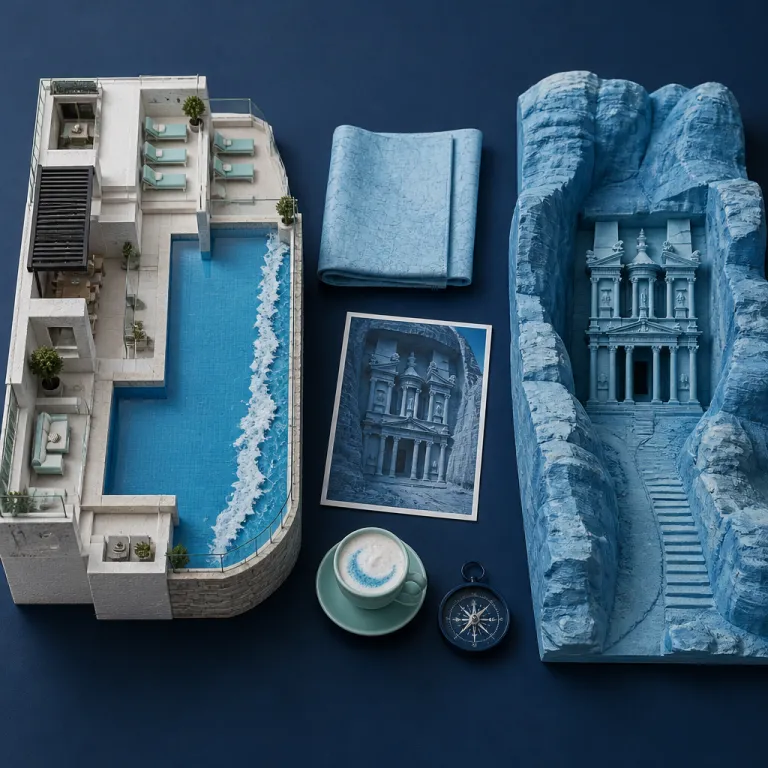
Placing luxury within the iconic places of Jordan
Every luxury trip to Jordan begins with understanding how its most celebrated destinations shape your stay. The capital city of Amman anchors many itineraries, and this vibrant city offers refined hotels that frame your first visit to the country with comfort and style. When you plan a trip to Jordan around the key regions of the country, you can align each premium hotel with a specific landscape, from the desert to the sea.
In Amman, high end properties cluster around neighborhoods such as Abdoun and the central business district, placing you close to Roman ruins like the Amman Citadel and the Roman Theater. This is one of the top areas in the country for travelers who want to balance archaeological sites with polished restaurants, rooftop pools, and discreet concierge services that can reserve private drivers or curated tours. For many guests, Amman is also the best place to adjust after a long travel day before heading south toward Petra, Wadi Rum, or the Dead Sea.
Choosing where to stay in Amman depends on how you like to visit cities and which experiences in Jordan matter most to you. Some travelers prefer hotels with panoramic city views, while others want quick access to heritage districts and galleries that showcase the country’s contemporary art scene. For a detailed look at premium options in the capital and how they connect to wider tourism routes, consult this elegant guide to luxury stays in Amman before you reserve.
Petra stays and heritage rich places of Jordan
For many visitors, Petra is the defining place in Jordan, and luxury or premium stays here must respect both comfort and heritage. The ancient city of Petra, carved into rose colored cliffs, sits near the modern town of Wadi Musa, where most hotels cluster along the main road leading to the Petra visitor center. When you plan to visit Jordan for Petra focused travel, think carefully about how close you want to sleep to the site entrance and how that affects your daily rhythm.
High end hotels near Petra often offer direct shuttle services to the gate, early breakfast for dawn entries, and spa facilities to ease muscles after long walks through the Siq and the wider Petra wadi system. These properties understand that guests may spend eight to ten hours on foot, exploring Roman colonnaded streets, rock cut tombs, and viewpoints above the Treasury, so they design calm lounges and quiet terraces for late evening relaxation. When you compare destinations across Jordan, Petra stands out because your hotel choice directly shapes how many sections of the site you can visit in a single day.
Some travelers choose heritage style stays in nearby historic towns such as Karak or within the Decapolis region, combining Petra with other Roman and biblical sites across the country. This approach suits guests who want to experience several sightseeing options in one itinerary, from Umm Qais in the north to the Dana Biosphere Reserve in the south, while still returning each night to a refined room. For inspiration on sleeping amid ruins and old stone houses while maintaining premium comfort, review this guide to heritage stays in Petra, Karak, and the Decapolis before you reserve your preferred place.
Timing Petra adventures and aligning luxury services
Securing the best time to visit Petra is as important as choosing the right hotel category. Many luxury travelers aim for spring or autumn, when temperatures in this part of Jordan are milder and walking through the desert canyons feels more comfortable. The Jordan Tourism Board notes clearly that “Spring and autumn offer pleasant weather.”
Premium hotels around Petra often coordinate with local guides to help you time visit plans for sunrise or late afternoon, when the light softens on the sandstone facades. Some properties can reserve private guided walks that start before the main crowds, allowing you to experience the Siq and the Treasury in relative quiet, then return later for Petra at Night experiences. When you evaluate regions of Jordan for a high end itinerary, Petra rewards those who align hotel services, guide schedules, and ticket options into a single, coherent plan.
Guests who want deeper immersion can combine Petra with nearby nature reserve excursions, such as hikes in the Dana Biosphere Reserve or the rugged canyons of Wadi Mujib on the way toward the Dead Sea. These side trips require careful logistics, so choosing hotels with experienced concierge teams becomes one of the top things Jordan specialists recommend. To refine your timing between Petra at dawn, Petra at Night, and quieter hours in the archaeological city, consult this detailed guide on how to time your Petra visit around the crowds before you finalize your Jordan travel schedule.
From Wadi Rum desert luxury to Dead Sea wellness retreats
Beyond Petra, some of the most atmospheric places of Jordan for premium stays lie in the desert and by the sea. Wadi Rum, often called the Valley of the Moon, offers luxury tented camps that blend soft linens and private bathrooms with sweeping desert views. When you stay in Wadi Rum, you sleep under clear skies while remaining close to curated jeep tours, guided hikes through narrow wadi canyons, and stargazing sessions far from any city lights.
These Wadi Rum camps usually provide full board, private transfers, and tailored excursions, so you can reserve sunset drives, camel rides, or hot air balloon experiences without leaving the comfort of your camp reception. Many guests pair Wadi Rum with the Dead Sea, where large spa resorts line the shore of this unique salt lake, whose surface sits about 430 meters below sea level according to Geological Survey data. At the Dead Sea, luxury hotels focus on wellness, offering mineral rich mud treatments, floating platforms on the calm water, and infinity pools that frame the desert cliffs of Jordan on one side and the distant hills of another country on the opposite shore.
Some itineraries extend further south to Aqaba on the Red Sea, where premium beach resorts cater to divers and snorkelers who want coral reefs and warm water alongside refined dining. This Red Sea city is one of the top places in Jordan for combining marine life with easy access to Wadi Rum and Petra, thanks to good road connections and domestic flights. When you compare these sea and desert options, think about whether you prefer the silence of the desert, the buoyant waters of the Dead Sea, or the colorful reefs of the Red Sea, then reserve hotels that match your preferred rhythm.
Nature reserves, Dana Biosphere, and quieter northern places of Jordan
Not every luxury traveler wants only the headline places of Jordan, and the country rewards those who look toward its quieter corners. The Dana Biosphere Reserve, Jordan’s largest nature reserve, offers eco conscious lodges and guesthouses perched above dramatic valleys, where you can hike between stone villages and terraced fields. Here, premium does not always mean marble lobbies, but rather attentive hosts, excellent local cuisine, and guided walks that reveal the biodiversity of this biosphere reserve.
From Dana, some itineraries continue toward Wadi Mujib, a dramatic gorge that feeds into the Dead Sea and offers canyoning experiences during suitable seasons, while others head north to Ajloun and Umm Qais. In the north, you can stay in restored houses or small upscale hotels that overlook the Jordan Valley and the Jordan River, placing you within reach of Roman ruins at Jerash and the hilltop remains at Umm Qais. These quieter alternatives appeal to travelers who want to balance the top places like Petra and Wadi Rum with less crowded landscapes that still play a central role in Jordan tourism.
Mount Nebo and Madaba also fit naturally into this style of travel, especially for guests interested in biblical history and mosaic art. From a comfortable base in Madaba or Amman, you can visit Mount Nebo for sweeping views across the Jordan River valley, then return to a refined dinner and spa treatment in the city. When you weave these nature reserve and heritage sites into your Jordan trip plan, you gain a more complete sense of the country beyond its most photographed desert and sea locations.
Desert castles, Roman cities, and crafting a coherent luxury route
Designing a premium itinerary through the key places of Jordan means thinking in arcs rather than isolated stops. Many travelers start in Amman, then head east to the desert castles, a chain of early Islamic structures scattered across the steppe, before looping back through the city and turning south toward Petra and Wadi Rum. This route allows you to experience both the urban energy of the capital and the quiet expanses of the desert, while staying in carefully chosen hotels that reflect each setting.
From Amman, day trips to Jerash reveal one of the best preserved Roman cities in the Middle East, where colonnaded streets, theaters, and temples stretch across a wide valley. After walking these Roman remains, returning to a high end hotel in the city with a rooftop pool or refined lounge becomes part of the pleasure, especially when staff can reserve dinner at top restaurants or arrange next day transfers. By alternating ancient sites with comfortable evenings, you transform a list of things Jordan offers into a coherent, restful journey.
When planning the overall time visit for your Jordan itinerary, consider how many nights you want in each place and how often you are willing to change hotels. A balanced luxury route might include three nights in Amman, two near Petra, one or two in Wadi Rum, and two at the Dead Sea or Red Sea, adjusting for your personal pace. Whatever combination of cities, desert landscapes, and sea resorts you choose, the best time to reserve is once you have mapped your preferred destinations in Jordan on a single, realistic itinerary that respects travel distances and your own energy.
Practical booking tips for premium stays across places of Jordan
Securing the right hotels across the main places of Jordan requires attention to both seasonality and local customs. High demand periods around spring and autumn, which many consider the best time to visit Jordan, can see top properties in Petra, Wadi Rum, and the Dead Sea fill quickly. To avoid disappointment, reserve flexible rates early, especially for desert camps and sea front resorts with limited premium inventory.
When comparing options, look beyond star ratings and focus on how each hotel supports your planned activities in that specific place. For Petra, prioritize proximity to the gate and early breakfast; for Wadi Rum, check whether your camp includes guided tours into the desert and clear policies on weather related changes; for the Dead Sea or Red Sea, examine spa facilities, private beach access, and water quality. In Amman and other city locations, consider traffic patterns, distance to key Roman or heritage sites, and whether the concierge team has strong relationships with licensed guides and transport providers across the country.
Responsible tourism also matters when you visit Jordan, especially in fragile environments such as the Dana Biosphere Reserve, Wadi Mujib, and other nature reserve areas. Choose operators who respect conservation rules, limit group sizes, and employ local guides from nearby communities, which strengthens both cultural understanding and economic benefits. Finally, remember simple on the ground advice that applies across all places of Jordan: respect local customs, stay hydrated, and wear comfortable shoes, particularly when exploring Petra wadi trails, Roman ruins, or desert castles under the Middle East sun.
Key figures for luxury travel across places of Jordan
- Tourism authorities report that around 800 000 tourists visit Petra annually, a figure that underscores why early hotel reservations near the site are essential during peak seasons (Jordan Tourism Board, data referenced 2023; see visitjordan.gov.jo).
- The surface of the Dead Sea lies about 430 meters below sea level, making Dead Sea resorts the lowest elevation luxury stays on land anywhere in the world (United States Geological Survey, data confirmed 2023; see usgs.gov).
- Jordan promotes guided tours and self guided visits as the two primary methods for exploring its major sites, so premium hotels that can arrange both styles offer greater flexibility for guests with different travel preferences.
- Eco tourism growth and increased cultural festivals across the country mean that nature reserve lodges and city hotels near event venues now experience stronger seasonal demand, especially in spring and autumn.
FAQ about luxury stays and Petra adventures in Jordan
What is the best time to visit Jordan for a luxury itinerary ?
The best time to visit Jordan for a premium trip is generally spring and autumn, when temperatures are comfortable for walking in Petra, Wadi Rum, and Roman cities. These seasons also suit Dead Sea and Red Sea stays, as the heat is less intense but the water remains pleasant. Because demand is high, reserve your preferred hotels several months in advance.
Is Jordan safe for tourists staying in luxury and premium hotels ?
Jordan is generally safe for tourists, and major places such as Amman, Petra, Wadi Rum, the Dead Sea, and Aqaba maintain strong security around hotels and tourist areas. Premium properties usually have additional safety measures, including controlled access and professional security teams. As in any country, remain aware of your surroundings and follow local guidance from hotel staff.
Do I need a visa to visit Jordan for a high end holiday ?
Visa requirements to visit Jordan depend on your nationality, length of stay, and entry point. Many travelers can obtain a visa on arrival at major airports, while others must apply in advance through a Jordanian embassy. Check the latest regulations before you travel, and allow enough time to secure any necessary documents.
How many days should I plan for Petra, Wadi Rum, and the Dead Sea ?
A balanced luxury itinerary often includes at least two full days in Petra, one or two nights in Wadi Rum, and two nights at the Dead Sea or Red Sea. This timing allows you to explore Petra wadi trails, enjoy a desert camp experience, and relax in a sea front spa resort without rushing. If you want to add Dana Biosphere Reserve, Mount Nebo, or Umm Qais, consider extending your Jordan trip by several more days.
Should I book guided tours through my hotel or independently ?
For many travelers, arranging guided tours through their hotel in Jordan offers better coordination, especially in places like Petra, Wadi Rum, and Dana Biosphere Reserve. Premium hotels often work with vetted local partners, ensuring licensed guides, reliable vehicles, and clear communication about timing and costs. Independent bookings can sometimes be cheaper, but they require more research and may not integrate as smoothly with your overall time visit plan.