Ajloun in Jordan as a refined escape from Amman
Ajloun in Jordan offers a serene counterpoint to the energy of Amman. In this green corner of northern Jordan, luxury travellers find a rare mix of heritage, nature, and refined comfort that feels perfectly suited to slow travel. Many guests pair a stay in the capital with one or two nights in the Ajloun highlands to balance urban culture with forest air.
From north Amman, the drive to Ajloun usually takes around ninety minutes in light traffic and up to two hours at peak times, making it an easy day trip or a graceful overnight extension. The road climbs steadily through the Jordan Valley and into northwestern Jordan, where the hills grow steeper and the air cooler than in the capital. This proximity allows you to base yourself in a premium hotel in Amman while planning a dedicated day to visit Ajloun and its surrounding region.
Luxury travellers often ask whether the best time to visit Ajloun in Jordan is spring or autumn. Spring brings carpets of wildflowers to every forest reserve and nature reserve, while autumn offers softer light and quieter trails in the Ajloun Forest Reserve. Summer days can be warm but remain more temperate than in the south of the country, especially compared with Wadi Rum or the Dead Sea.
For guests focused on comfort, the key decision is whether to stay in Amman or in northern Jordan itself. Many premium hotel booking platforms highlight the capital as a base, then curate private excursions into the Ajloun Governorate that include the castle, the forest reserve, and nearby Jerash. Others promote intimate countryside lodges and eco cabins in the Ajloun hills, ideal for travellers who want to wake up surrounded by nature and olive groves.
Whichever style you choose, Ajloun in Jordan rewards travellers who plan their time carefully. A well designed itinerary might include a morning at Ajloun Castle, an afternoon walk in the forest reserve, and a sunset dinner back in Amman or in a rural guesthouse. With thoughtful planning, you can enjoy the best of both worlds in this compact but varied region of northern Jordan.
Ajloun castle and the heritage landscape of northern Jordan
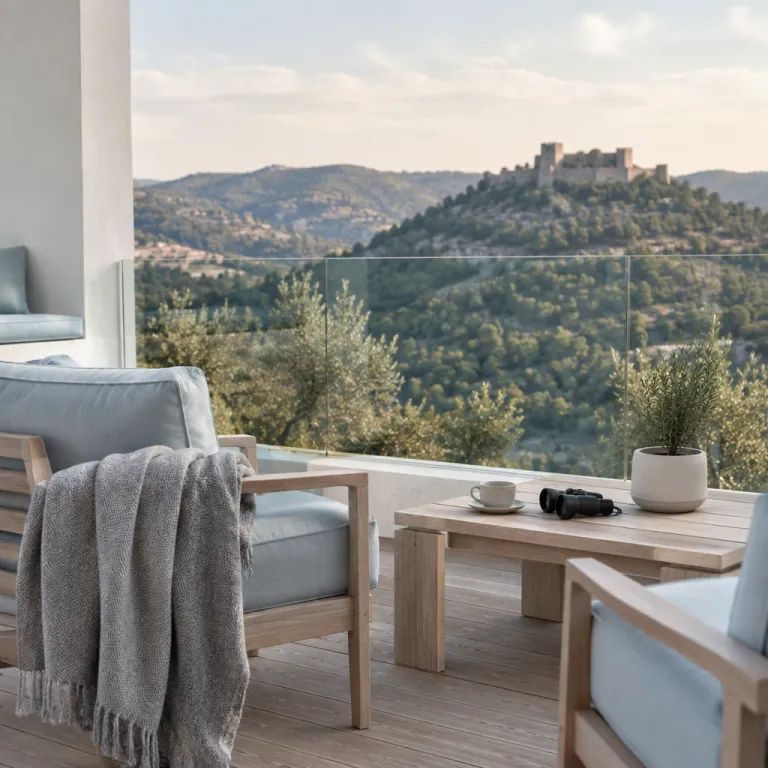
Ajloun Castle dominates the skyline of the surrounding countryside, its stone walls rising above the forested hills. This castle in northern Jordan was built as a strategic fortress, and every terrace still offers sweeping views across the Jordan Valley and towards the distant hills of the region. When you walk through its vaulted rooms, you sense how this stronghold, century after century, shaped trade and defence routes across the north.
Many travellers combine a visit to Ajloun Castle with a stop in Jerash on the same day. Jerash, one of the best preserved Roman cities in the country, lies less than an hour away, which makes this pairing ideal for guests based in Amman. Premium travel planners often design a full day that starts in north Amman, continues to Jerash, and ends with sunset over Ajloun Castle before returning to the city.
Inside Ajloun Castle, interpretive panels explain how the fortress once communicated with other strongholds across northern Jordan. From the ramparts, you can see the patchwork of olive groves, villages, and forest that defines the Ajloun Governorate today. On clear days, the views stretch across the Jordan Valley and remind visitors how closely linked this region has always been to the wider country.
For luxury travellers, timing matters as much as the site itself. The best time to visit Ajloun Castle is usually early in the day or late afternoon, when the light softens the stone and the crowds thin. Many private guides arrange skip the line access and tailored commentary, turning a simple visit to the castle into a deeper exploration of Jordanian history and architecture.
After a day immersed in heritage, many guests return to Amman for an elevated culinary experience. Those curious about the city’s dining scene often look to the Amman restaurants on the MENA 50 Best list to understand how Jordanian chefs reinterpret local ingredients such as olive oil from Ajloun. This blend of historical exploration in the north and contemporary cuisine in the capital creates a sophisticated arc for any Jordan itinerary.
Ajloun forest reserve and nature focused luxury from Amman
The Ajloun Forest Reserve is one of the most atmospheric protected areas in northern Jordan. Managed as a nature reserve, this forested sanctuary shelters evergreen oak, pistachio, and strawberry trees, creating a landscape that feels surprisingly lush for the country. For travellers used to the desert scenery of Wadi Rum or the shores of the Dead Sea, the Ajloun woodlands offer a refreshing change of pace.
Several well marked trails wind through the reserve, ranging from gentle one hour walks to more demanding half day hikes. Many luxury travel planners arrange private guided walks that highlight medicinal plants, birdlife, and the traditional uses of local trees by Jordanian communities. The best time for these walks is usually spring or autumn, when temperatures in northern Jordan are mild and the forest floor is alive with colour.
From a premium hospitality perspective, the Ajloun Forest Reserve pairs beautifully with a high end base in Amman. Guests can stay in one of the city’s leading properties, many of which are profiled in this elegant guide to Amman’s luxury hotel scene, then enjoy curated day trips into the Ajloun region. This approach allows travellers to experience the calm of the nature reserve by day while returning to full service spas, fine dining, and concierge support at night.
For those who prefer to stay closer to nature, some lodges and eco focused accommodations operate near the forest and across the wider Ajloun Governorate. These stays often emphasise sustainability, using local stone, supporting community guides, and serving dishes built around seasonal produce and regional olive oil. They appeal to guests who want to feel immersed in the forest while still enjoying thoughtful comfort and attentive service.
When planning your time in the Ajloun Forest Reserve, consider how it fits into your broader route across the country. Many itineraries link Amman, Ajloun in Jordan, Jerash, and then continue south towards Petra and Wadi Rum, creating a north to south arc that showcases the full range of Jordanian landscapes. This structure lets you experience the green hills of northwestern Jordan before descending again to the desert and the Dead Sea.
Olive groves, Jordanian flavours, and rural luxury in Ajloun
Olive trees define much of the landscape in Ajloun, their silvery leaves catching the light across hills and valleys. Many families in the Ajloun Governorate have tended the same olive groves for generations, producing olive oil that is prized across the country. For travellers, tasting this oil in a local home or rural restaurant can be as memorable as visiting any castle.
Some premium travel experiences in northern Jordan now include private tastings in olive mills near Ajloun. Guests learn how the harvest unfolds, how the olives are pressed, and why the region’s microclimate in northwestern Jordan produces such distinctive flavours. These visits often pair olive oil with freshly baked bread, za’atar, and seasonal vegetables, creating a simple but refined expression of Jordanian cuisine.
Rural stays around Ajloun in Jordan increasingly focus on gastronomy as a core part of the experience. Hosts might offer cooking sessions where guests prepare traditional dishes using herbs from the forest reserve and produce from the Jordan Valley, then dine on terraces overlooking the hills. This emphasis on local ingredients and slow meals aligns naturally with the expectations of luxury travellers who value authenticity and a sense of place.
When you visit Ajloun, ask your host or concierge about markets and small producers in the region. Many travellers enjoy spending part of the day meeting beekeepers, cheesemakers, or farmers who cultivate terraced fields in northern Jordan. These encounters deepen your understanding of how nature, agriculture, and community life intertwine in the hills above the Jordan Valley.
For guests continuing south after their stay in Ajloun, culinary experiences remain a strong thread. A carefully planned route might lead from olive groves in the north to seafood by the Dead Sea and Bedouin dishes in Wadi Rum, then onward to refined dining near Petra. To explore how high end stays and tailored adventures connect across the country, many travellers consult this guide to refined stays and tailored adventures around Petra, using it to harmonise their northern and southern experiences.
Designing a luxury itinerary linking Amman, Ajloun, Jerash, and the south
Thoughtful itineraries treat Ajloun in Jordan as one chapter in a wider journey across the country. Many luxury travellers begin in Amman, where premium hotels provide a comfortable base for exploring the capital’s museums, galleries, and restaurants. From there, a curated day or overnight trip to northern Jordan introduces the cooler climate and greener landscapes of the Ajloun Governorate.
A classic route from north Amman leads first to Jerash, then continues to Ajloun for the castle and the forest reserve. This combination allows you to experience Roman colonnades in Jerash, medieval stonework at Ajloun Castle, and the living nature of the surrounding hills in a single day. For guests who prefer a slower pace, staying overnight in the Ajloun region lets you enjoy the best time of day in each location without rushing.
After exploring northern Jordan, many itineraries turn south towards Petra, Wadi Rum, and the Dead Sea. The contrast between the green hills of northwestern Jordan and the red sands of Wadi Rum or the mineral rich shores of the Dead Sea highlights the country’s diversity. Luxury travel planners often weave these elements together, ensuring that each region feels distinct yet connected through consistent service standards and thoughtful logistics.
When planning your time, consider how many days you want to allocate to each region. A balanced approach might include two or three nights in Amman, one or two nights in Ajloun or nearby, two nights near Petra, one night in Wadi Rum, and one or two nights at the Dead Sea. This structure gives you time to visit Ajloun, enjoy the forest reserve, and still experience the iconic southern landscapes without feeling rushed.
Throughout this journey, the role of your hotel booking platform or travel advisor is crucial. The best services understand how to match you with properties that reflect your style, whether that means a sleek city hotel in Amman, a nature focused lodge near the Ajloun Forest Reserve, or a spa resort by the Dead Sea. By aligning accommodation choices with each region’s character, your route through Jordan feels coherent, comfortable, and quietly luxurious.
Practical tips for visiting Ajloun from a luxury and premium base
Planning a visit to Ajloun in Jordan from Amman is straightforward when you focus on timing and comfort. The drive from north Amman to the Ajloun highlands usually takes between ninety minutes and two hours, depending on traffic and stops. Many luxury travellers choose private transfers, which allow flexible departure times and the option to pause for views over the Jordan Valley.
The best time to visit Ajloun and the Ajloun Forest Reserve is generally spring or autumn. During these seasons, temperatures in northern Jordan are pleasant, the forest is green, and visibility from Ajloun Castle is often excellent. Summer can still be enjoyable thanks to the higher elevation of the Ajloun Governorate, while winter may bring cooler days that suit travellers who prefer crisp air and quieter sites.
When arranging your day, consider starting early to reach Ajloun Castle before the main crowds. After exploring the castle’s century old halls and terraces, you can continue to the forest reserve for a walk or a leisurely lunch. Many premium itineraries then include a late afternoon stop in Jerash before returning to Amman in the evening.
For guests who value flexibility, staying one night in Ajloun or nearby villages can be rewarding. This option lets you enjoy both sunset and sunrise over the hills, explore the forest reserve at different times of day, and linger over meals built around local olive oil and seasonal produce. It also reduces driving time in a single day, which many travellers appreciate on longer journeys across the country.
Finally, remember that Ajloun in Jordan is part of a living region, not just a collection of sites. Respect for local customs, support for community guides, and thoughtful use of resources in the nature reserve all contribute to preserving what makes northern Jordan special. When luxury travel aligns with these values, every visit to Ajloun becomes part of a wider story of care for landscape and heritage.
Key statistics on travel and hospitality in Jordan
- The Jordan Tourism Board reported that international tourist arrivals exceeded 5 million visitors in 2023, with northern Jordan, including Ajloun and Jerash, representing a growing share of cultural and nature based trips compared with previous years (see annual statistics on the official Jordan Tourism Board website).
- According to the Ministry of Tourism and Antiquities, tourism contributes around 13% of Jordan’s gross domestic product, underscoring how regions such as the Ajloun Governorate and the Jordan Valley play an important role beyond the classic Petra and Dead Sea circuit (as outlined in the Ministry’s tourism performance reports).
- Protected areas like the Ajloun Forest Reserve form part of a network of more than 1,200 square kilometres of nature reserves across the country, managed by the Royal Society for the Conservation of Nature to balance conservation with responsible tourism (figures drawn from RSCN publications on Jordan’s protected areas).
- Surveys by regional hospitality consultancies indicate that Amman concentrates the majority of the country’s luxury and premium hotel rooms, while demand for high quality rural stays in northern Jordan has risen steadily over the past decade, particularly around Ajloun and the nearby highlands.
- Visitor satisfaction studies consistently show high ratings for combined itineraries that link Amman, Jerash, Ajloun in Jordan, Petra, Wadi Rum, and the Dead Sea, especially when private transport and guided experiences are included, reflecting the appeal of multi region journeys.
FAQ about Ajloun in Jordan and luxury travel from Amman
How far is Ajloun from Amman, and how do I get there ?
Ajloun lies roughly 70 to 80 kilometres north of Amman, and the drive from north Amman usually takes between ninety minutes and two hours. Most luxury travellers arrange a private car with driver through their hotel or booking platform, which allows flexible stops in the Jordan Valley or Jerash along the way. Public buses exist but are less convenient for premium itineraries focused on comfort and time efficiency.
What is the best time of year to visit Ajloun Castle and the forest ?
The best time to visit Ajloun in Jordan is generally spring and autumn, when temperatures in northern Jordan are mild and the Ajloun Forest Reserve is at its most vibrant. Summer can still be pleasant thanks to the higher elevation of the Ajloun Governorate compared with the Dead Sea or Wadi Rum, though midday can feel warm. Winter visits are possible but may bring cooler weather and shorter days, which some travellers appreciate for quieter sites.
Can I visit Jerash and Ajloun in a single day from Amman ?
Yes, many itineraries combine Jerash and Ajloun in one day from Amman, especially when using private transport. A typical route leaves north Amman in the morning, spends several hours exploring Jerash, then continues to Ajloun Castle and, if time allows, the nearby forest reserve. Travellers who prefer a slower pace sometimes add an overnight stay in the Ajloun region to enjoy the best time of day at each site.
Are there luxury or premium accommodations in Ajloun itself ?
While Amman concentrates most of the country’s classic luxury hotels, the Ajloun Governorate offers a growing selection of comfortable lodges, eco focused stays, and rural guesthouses. These properties may not match the full service scale of major city hotels but often excel in atmosphere, views, and access to the Ajloun Forest Reserve and surrounding nature. Many premium travel planners therefore suggest combining city based luxury in Amman with one or two nights in northern Jordan for a balanced experience.
How can I include Ajloun in a wider Jordan itinerary with Petra and Wadi Rum ?
A common structure is to start in Amman, then spend a day or overnight in northern Jordan visiting Jerash and Ajloun in Jordan before heading south. From there, travellers usually continue to Petra, Wadi Rum, and finally the Dead Sea, creating a route that showcases both the green hills of northwestern Jordan and the desert landscapes of the south. This approach works well for guests using a luxury hotel booking website, as it allows careful selection of properties that match each region’s character and level of service.
References
- Jordan Tourism Board – official tourism statistics and market reports
- Ministry of Tourism and Antiquities of Jordan – tourism performance and economic contribution data
- Royal Society for the Conservation of Nature (RSCN) – publications on Jordan’s protected areas and nature reserves