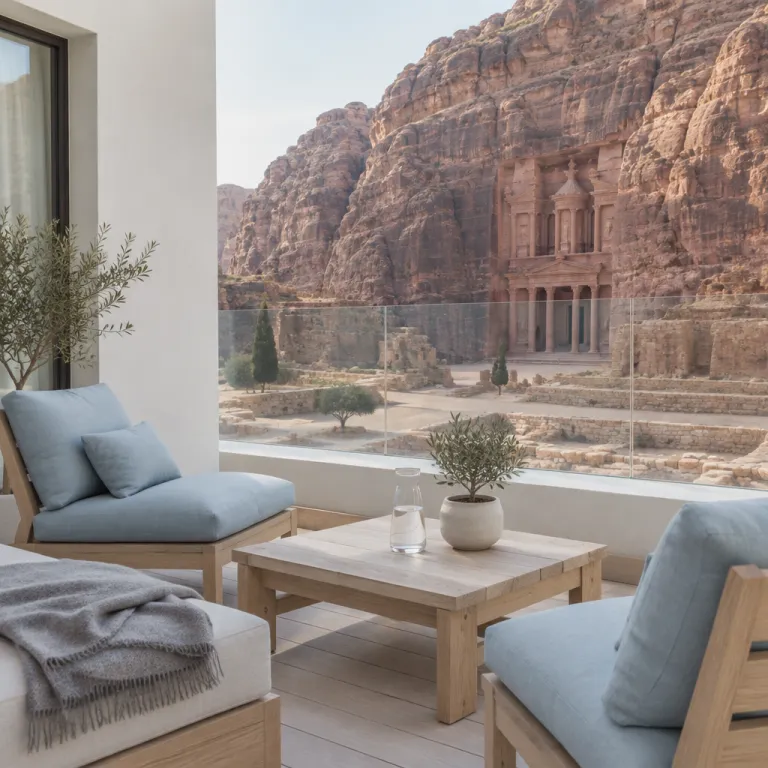
Why Petra adventures define the refined tourist spot of Jordan
Petra is the Jordan landmark that most luxury travelers picture first. This ancient city carved into rose colored cliffs offers a rare blend of archaeological grandeur and discreet comfort, making it one of the top places for high end stays in the country. When you plan to visit Petra, pairing a premium hotel with private guiding transforms the famous ruins into a serene open air museum rather than a crowded site.
Many guests arrive from Amman by chauffeured transfer, crossing rugged wadi landscapes that hint at the desert ahead. The drive takes around three hours along the Desert Highway, or a little longer via the scenic King’s Highway, and already introduces the essence of tourism in Jordan as you pass desert castles, fertile valleys, and distant views toward Saudi Arabia that frame the country within the wider Middle East. For travelers focused on things Jordan does best, a seamless journey from the capital city to Petra sets the tone for the rest of the trip.
Inside Petra itself, timing is everything for those seeking elegance and calm. Entering the Siq at dawn allows you to reach the Treasury before the crowds, while a private guide leads you toward lesser known ruins and a Jordan hidden from standard group tours. As one local guide likes to say, “If you hear only your footsteps in the Siq, you chose the right hour.” In the afternoon, many luxury guests retreat to their hotel spa or pool, then return to the site for sunset light over the Royal Tombs, when the desert cools and the rock glows softly. For the most tranquil experience, aim to enter between official opening time and roughly 8:00 a.m., and confirm current hours with the Petra visitor center before you travel.
Choosing luxury stays near Petra and other iconic sites
For travelers exploring more than one major attraction in Jordan, the choice of hotel location is as strategic as the itinerary itself. Around Petra, premium properties such as the Movenpick Resort Petra, Petra Guest House, and boutique lodges in Wadi Musa cluster near the main gate, allowing you to visit the site early, return for lunch, and then head back for quieter evening hours. This rhythm suits guests who value both archaeological immersion and refined downtime in a country where hospitality is a central pillar of tourism.
Many visitors combine Petra with the Dead Sea, Amman, and the red dunes of Wadi Rum, so a curated list of luxury hotels across these regions becomes essential. In Amman, five star properties near Abdali or the historic city center, including brands like Four Seasons and Fairmont, offer easy access to the King Abdullah I Mosque, upscale dining, and private transfers to other places to visit. Along the Dead Sea, resort style hotels provide direct access to the mineral rich shoreline, where the dead calm waters and spa treatments create a restorative counterpoint to Petra’s rugged trails. Typical transfer times range from about one hour between Amman and the Dead Sea to roughly four hours between Petra and Amman, depending on the chosen route and traffic.
Travelers who want to stay near several UNESCO World Heritage sites can consult specialized collections of luxury stays around every world heritage site in Jordan, which help align hotel choices with cultural priorities. These curated selections often highlight properties that understand the needs of discerning guests, from late check outs after sunrise hikes to tailored excursions that link Petra, Wadi Rum, and desert castles in one coherent narrative. By anchoring each night in a thoughtfully chosen property, every major site in Jordan feels both accessible and unhurried, with logistics handled in advance rather than improvised on arrival.
Petra and Wadi Rum: pairing ancient city wonders with desert luxury
Combining Petra with Wadi Rum creates a powerful expression of Jordan’s signature highlights for travelers who want both history and wilderness. After exploring the carved façades and ruins of the Nabataean city, many guests continue south toward the vast desert, where luxury camps offer refined comfort beneath immense skies. This pairing showcases the country as a land where ancient trade routes, dramatic wadi landscapes, and contemporary hospitality meet.
In Wadi Rum, premium camps often sit in secluded valleys, far from the more popular day trip areas, giving guests a sense of Jordan hidden behind the main tracks. Licensed properties such as Memories Aicha Luxury Camp or Sun City Camp provide private tents or bubble suites with en suite bathrooms, while private 4x4 excursions trace routes associated with Lawrence of Arabia and local Bedouin history. Sunset viewpoints reveal the sculpted sandstone that made this desert famous across the Middle East, and at night, stargazing sessions and quiet dinners under the Milky Way contrast beautifully with the lively atmosphere of Petra’s main site.
Many itineraries also link Wadi Rum with the Red Sea coast at Aqaba, where luxury hotels overlook coral reefs and calm waters ideal for snorkeling. This sea and desert combination highlights the diversity of things Jordan offers within relatively short driving distances, especially when arranged through a single high end booking platform. For travelers focused on Petra adventures, staying in properties that coordinate transfers between the city, Wadi Rum, and the Red Sea ensures every transition feels effortless rather than logistical.
For guests seeking a refined base that connects these highlights, elegant places of Jordan for luxury stays and Petra adventures can serve as a planning reference. Such curated resources help match each traveler’s style with specific camps, resorts, and city hotels that understand the expectations of premium tourism. When every stay is aligned with the surrounding landscape, Petra and Wadi Rum become chapters in one continuous, luxurious journey.
From Amman to Jerash and Umm Qais: cultured escapes with premium stays
Not every celebrated destination in Jordan revolves around Petra, and culturally inclined travelers often begin in Amman before heading north. The capital city offers a sophisticated base with luxury hotels, fine dining, and easy access to both the Citadel and the Roman Theater, which introduce the layered history of the country. From here, private drivers or organized transfers can take you to Jerash and Umm Qais, two of the most evocative archaeological places to visit in the region.
Jerash is renowned for its colonnaded streets, temples, and theaters, forming one of the best preserved Roman ruins in the Middle East. According to the Jordan Tourism Board, the site has welcomed hundreds of thousands of visitors in strong years (for example, 2019), and luxury travelers often arrange early entry or late afternoon visits, avoiding the busiest hours and allowing time for quiet exploration of the site’s arches and plazas. Afterward, returning to a high end hotel in Amman means you can enjoy spa facilities, rooftop lounges, and refined Jordanian cuisine while reflecting on the day’s experiences.
Farther north, Umm Qais overlooks the Jordan Valley and offers sweeping views toward the Sea of Galilee and the hills of neighboring countries, including areas near Saudi Arabia. This vantage point reminds visitors how Jordan’s tourism is intertwined with regional history, trade, and faith routes that once linked city to city across borders. Staying in premium guesthouses or small luxury properties near Umm Qais allows guests to experience rural hospitality, cooler temperatures, and quieter evenings than in the capital.
For travelers building a list of top places beyond Petra, combining Amman, Jerash, and Umm Qais creates a cultured arc through northern Jordan. Each place offers distinct things Jordan is proud to share, from Roman forums to Ottoman houses and panoramic terraces. When supported by a luxury booking platform that understands transfer times and preferred room categories, this northern circuit becomes as comfortable as it is enriching.
Nature reserves, Dana Biosphere, and Wadi Mujib for refined adventure
For travelers who see the tourist appeal of Jordan as more than monuments, the country’s nature reserves offer a quieter, more immersive side of luxury. The Dana Biosphere Reserve, the largest biosphere reserve in Jordan, stretches from sandstone cliffs to desert plains and hosts eco lodges that blend comfort with conservation. Many high end guests choose guided hikes that end at properties where local cuisine, soft lighting, and attentive service replace the noise of city life.
Within the Dana Biosphere, premium lodges often limit room numbers, creating an intimate atmosphere that suits travelers seeking Jordan hidden away from busier routes. According to the Royal Society for the Conservation of Nature (RSCN), the reserve covers about 320 square kilometres and includes multiple climate zones, and these properties can arrange multi day treks that eventually link Dana with Petra, turning the journey itself into one of the top places to remember. Along the way, guests encounter wadi landscapes, small villages, and viewpoints that reveal how the country’s geography shaped both trade and settlement patterns.
Another highlight for active travelers is Wadi Mujib, a dramatic canyon that feeds into the Dead Sea and forms part of a protected nature reserve. The Mujib Biosphere Reserve, managed by the same conservation body, offers seasonal canyoning routes, and luxury oriented visitors often book private guides and timed entries, then return to Dead Sea resorts where spa treatments and floating sessions ease tired muscles. This combination of biosphere reserve exploration and high end relaxation captures the essence of things Jordan does exceptionally well for experiential tourism.
When planning these stays, a sophisticated booking platform can coordinate transfers between Dana, Wadi Mujib, Petra, and the Dead Sea, ensuring that each place to visit fits smoothly into a wider itinerary. By choosing properties that respect the environment while offering refined comfort, travelers support sustainable tourism across Jordan’s most fragile landscapes. In turn, these reserves remain pristine for future guests who value both nature and elegance.
Dead Sea, Mount Nebo, Karak Castle, and desert castles in style
Many itineraries that focus on the most iconic regions of Jordan weave together spiritual sites, Crusader fortresses, and restorative waters. The Dead Sea is often the centerpiece, with luxury resorts lining the shore and offering private beach access, spa circuits, and panoramic views across the still, dead calm surface. From these hotels, guests can easily visit Mount Nebo, where tradition holds that Moses viewed the Promised Land, adding a contemplative dimension to an otherwise indulgent stay.
On the King’s Highway between Amman and Petra, Karak Castle rises above the surrounding city and stands as one of the most imposing Crusader fortresses in the country. Luxury travelers often arrange guided visits that explain how this castle once controlled trade routes across the Middle East, then continue toward Petra or back to the Dead Sea. Nearby, a chain of smaller desert castles east of Amman, such as Qasr Amra and Qasr Kharana, reveals another layer of Jordan’s history, from Umayyad hunting lodges to caravan stops.
For guests who want a deeper sense of context, curated itineraries can link the Dead Sea, Mount Nebo, Karak Castle, and the desert castles into a single narrative about faith, power, and landscape. Many high end booking platforms also highlight properties that offer day trips to these sites, ensuring that each place to visit is accessible without sacrificing comfort. Travelers who choose such routes gain a broader understanding of things Jordan represents, from early Christian pilgrimage routes to Islamic art and desert engineering.
Those interested in combining sacred horizons with refined stays can explore dedicated guides to Mount Nebo and Dead Sea retreats in refined harmony, which outline how to balance contemplation with luxury. By staying in properties that respect local culture while offering international standards, visitors contribute to sustainable tourism that benefits both communities and guests. Over time, this approach helps preserve each site as a meaningful, living part of Jordan’s story rather than a simple stop on a checklist.
Key figures shaping luxury travel across every tourist spot of Jordan
- According to the Jordan Tourism Board and national accounts, tourism contributed around 13 % of Jordan’s GDP in strong pre pandemic years (for example, 2018–2019), underlining how central every major visitor destination is to the national economy.
- Petra welcomed approximately 1.1 million visitors in 2019, based on official Petra Development and Tourism Region Authority figures reported that year, and a growing share of these arrivals book premium or luxury stays, especially in hotels within a few hundred metres of the main gate.
- The Dead Sea region hosts several thousand high end rooms in international resorts, with occupancy rates that often exceed 70 % during peak seasons, according to hospitality industry reports published in the late 2010s, reflecting strong demand for wellness focused tourism in Jordan.
- Wadi Rum Protected Area covers roughly 720 square kilometres, and the number of licensed camps has been carefully managed by authorities and the Aqaba Special Economic Zone Authority to balance tourism growth with desert conservation, as noted in official management plans.
- The Dana Biosphere Reserve spans about 320 square kilometres and includes multiple climate zones, making it one of the most biologically diverse places to visit in the country and a key focus for eco luxury development, according to RSCN data updated in the early 2020s.
FAQ about luxury stays and Petra adventures in Jordan
What is the best way to combine Petra and Wadi Rum in a luxury trip ?
Most luxury travelers spend at least two nights near Petra and two nights in Wadi Rum, using private transfers between the city and the desert. This allows one full day inside the Petra site and another for quieter trails, followed by a day of 4x4 touring and stargazing in Wadi Rum. Booking through a platform that coordinates both hotels and transport ensures smooth timing and personalized experiences.
When should I visit Jordan for comfortable weather and fewer crowds ?
Spring and autumn generally offer the most pleasant temperatures for exploring every major tourist spot of Jordan, including Petra, Wadi Rum, and the Dead Sea. During these seasons, daytime heat in the desert is more manageable, while evenings in Amman and the northern highlands remain cool. Luxury travelers often plan midweek stays to further reduce crowd levels at popular sites.
Are there high end hotels close to the Petra entrance ?
Yes, several premium and luxury hotels sit within walking distance or a short drive of the Petra visitor center. Staying nearby allows you to enter the site early in the morning, return to your room or spa at midday, and then revisit for sunset. Many of these properties also arrange private guides and tailored excursions that highlight lesser known areas of the ancient city.
How can I include nature reserves like Dana and Wadi Mujib in a luxury itinerary ?
Travelers typically combine one or two nights in the Dana Biosphere Reserve with a stay at a Dead Sea resort that offers excursions to Wadi Mujib. Eco lodges in Dana provide comfortable rooms and guided hikes, while Dead Sea hotels deliver spa facilities and easy access to the canyon. A specialized booking service can link these places to visit with Petra and Amman, creating a balanced mix of adventure and relaxation.
Is it safe and practical to travel between different regions of Jordan ?
Key tourist routes between Amman, Petra, Wadi Rum, the Dead Sea, and the northern sites are well established and widely used by visitors. Many luxury travelers choose private drivers or organized transfers, which simplify logistics and add local insight along the way. Working with reputable hotels and booking platforms ensures that each leg of the journey is both safe and efficient.