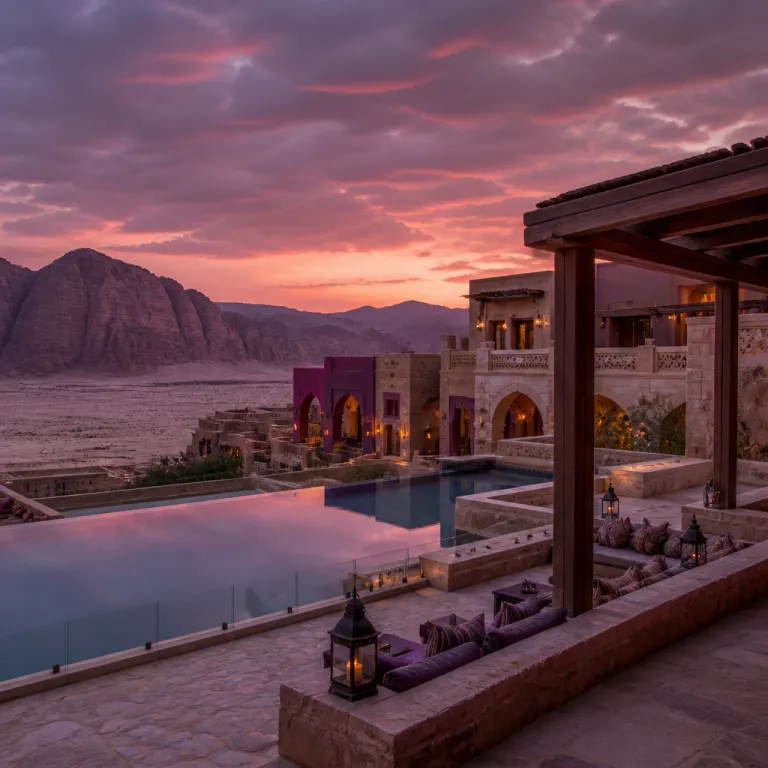
Curated cultural journeys: redefining things to see and do in Jordan
Luxury travellers planning a refined trip to Jordan often begin with a carefully crafted cultural journey. When you explore the most meaningful things to see and do in Jordan, you want every transfer, guide, and hotel detail aligned with your expectations. A specialist luxury travel service or high-end hotel booking website becomes your discreet concierge, translating a simple wish list into a seamless, high touch itinerary that feels personally designed rather than assembled from standard templates.
For many people, the first images of Jordan are the rose coloured façades of Petra and the vast silence of Wadi Rum. A luxury and premium hotel booking website in Jordan can secure suites with direct views towards the ancient city of Petra at properties such as Mövenpick Resort Petra or Petra Marriott Hotel, then pair them with private transfers into the wadi for sunrise or candlelit visits. This level of curation turns classic things Jordan is famous for into deeply personal experiences, rather than standard group excursions, especially when your driver knows the quiet back entrances and your guide times each visit around peak tour bus arrivals and official opening hours (typically 6:00–18:00 in high season, according to the Petra Development and Tourism Region Authority).
Thoughtful travellers also look beyond the icons and ask which places to visit will reveal the country’s living culture. A well designed platform highlights lesser known experiences in Amman, Jerash, Umm Qais, and the Dana Biosphere Reserve, then matches them with the right city hotels, desert camps, and nature lodges. By presenting the top things to see and do in Jordan alongside handpicked properties such as The House Boutique Suites in Amman or eco lodges in Dana, it helps you understand how each stay shapes your overall experience of the country, from the neighbourhood cafés you can walk to, to the villages and reserves you can reach in a single day.
From Amman to Petra: pairing luxury stays with living history
Any refined list of things to see and do in Jordan should start in Amman, where contemporary galleries, cafés, and rooftop lounges sit beside the Amman Citadel ruins. A curated booking service can secure suites in the best hotels that overlook the city, such as the Four Seasons Hotel Amman or The St. Regis Amman, then arrange private guides who bring the Roman and Islamic layers of history to life. This combination of elevated comfort and expert storytelling sets the tone for the rest of your trip Jordan wide, especially when airport transfers (around 35–45 minutes from Queen Alia International Airport to central Amman) are timed to avoid rush hour and coordinated with typical hotel check in times.
From the capital, many people travel north to Jerash, home to some of the best preserved Roman ruins in the Middle East. A tailored itinerary might include a chauffeured day trip from Amman (about one hour each way), timed to avoid the busiest hours, with a historian guide and a refined lunch in a nearby country house. By integrating these cultural tours directly into your hotel booking journey, the platform ensures that places to visit like Jerash feel effortless rather than logistically complex, with entry tickets (usually around 10–15 Jordanian dinars per person, based on Jordan Tourism Board guidance), guiding times, and return transfers confirmed in advance.
Heading south, Petra remains at the heart of most bucket list journeys, and rightly so. A luxury focused site can secure rooms in properties that allow early access to the ancient city of Petra, arrange private candlelit walks through the wadi, and coordinate spa time after long days among the ruins. For travellers who appreciate curated experiences, this is where a specialist cultural tours and curated experiences platform truly shines, much like the way an elegant escape is described in this in depth guide to luxury and premium cultural tours, which illustrates how thoughtful pacing and hotel selection transform a classic site into a multi day immersion, often with sample day by day plans that include sunrise walks, midday rest, and evening storytelling sessions.
Desert dreams in Wadi Rum and the Dead Sea: immersive stays with a sense of place
Among the most atmospheric things to see and do in Jordan, a night in Wadi Rum stands apart. Here, the desert landscape of sandstone mountains and vast wadi plains evokes the stories of Lawrence of Arabia, especially when you arrive at sunset and watch the colours shift from gold to deep red. A luxury booking website helps you choose between refined desert camps and high end lodges, such as bubble style suites or tented villas at well known camps, each designed to immerse you in the silence of the desert without sacrificing comfort, with private 4x4 transfers from the visitor centre (usually 20–40 minutes) arranged to coincide with the softest light.
Curated itineraries in Wadi Rum often include private 4x4 drives into the desert, guided stargazing, and slow breakfasts with panoramic views. Many travellers pair Wadi Rum with the Dead Sea, creating a contrast between the raw desert and the still waters of the famous salt lake. A specialist platform can coordinate transfers from the rum desert to the Dead Sea resorts (typically four to five hours by road), where you float in the mineral rich water, enjoy spa rituals, and watch the sun set over the distant hills of the Holy Land from your balcony or a quiet stretch of private beach at resorts such as Kempinski Hotel Ishtar Dead Sea or Dead Sea Marriott Resort & Spa.
The Dead Sea region also offers hot springs and dramatic canyon landscapes such as Wadi Mujib, which appeal to people seeking both relaxation and soft adventure. A premium booking site highlights which properties provide direct access to the Dead Sea shoreline, private beaches, and easy routes into nearby nature reserves. By presenting Wadi Rum, the Dead Sea, and surrounding desert castles as interconnected experiences, it helps you understand how to structure your trip Jordan for maximum impact, whether you prefer two nights of spa focused rest or a more active programme of canyoning and short hikes, with clear notes on seasonal closures and recommended start times to avoid midday heat.
Coastal elegance at the Red Sea and nature reserves with character
For travellers who want the full spectrum of things to see and do in Jordan, time on the Red Sea coast adds a refreshing maritime chapter. In Aqaba, luxury resorts line the sea, offering private beaches, yacht charters, and access to coral reefs that rival other Middle East destinations. A refined booking platform can secure sea facing suites, arrange diving or snorkelling with certified PADI centres, and coordinate transfers that link Aqaba with Petra and Wadi Rum in a smooth arc, often suggesting a scenic drive along the Desert Highway that keeps travel times between two and four hours.
Beyond the coast, Jordan’s nature reserves reveal a quieter side of the country that many people overlook. The Dana Biosphere Reserve, for example, combines dramatic cliffs, terraced villages, and a remarkable biosphere reserve of flora and fauna, making it one of the top things for hikers and nature lovers. A specialist website can pair nights in eco conscious lodges within the Dana Biosphere with guided walks, village visits, and transfers to other protected areas such as Ajloun Forest or the Shaumari nature reserve, ensuring that local conservation rules and seasonal trail closures are factored into your plans and that park entry fees are clearly explained before you travel.
These protected landscapes are ideal places to visit for travellers who value sustainability and cultural authenticity. When you book through a platform that understands eco luxury, you gain access to properties that support local communities and protect the surrounding reserve, while still offering refined comfort. This approach turns Jordan’s nature reserves into integral highlights of your bucket list journey, rather than optional add ons at the edge of the main city and desert routes, and encourages longer stays that benefit both the environment and nearby villages through community run hikes, craft workshops, and farm to table dining.
Faith, heritage, and refined cultural tours across the Holy Land routes
Many of the most meaningful things to see and do in Jordan are linked to its role within the wider Holy Land. Sites such as Mount Nebo, Madaba, and Umm Qais connect biblical narratives with sweeping views across the Jordan Valley and towards neighbouring countries. A luxury and premium hotel booking website in Jordan can weave these places to visit into a coherent route, pairing them with characterful stays in Amman, Madaba, and along the King’s Highway, and suggesting the best times of day to visit each site for softer light and fewer crowds, often early morning or late afternoon according to official visitor guidance.
At Mount Nebo, travellers stand where tradition holds that Moses viewed the Promised Land, while nearby Madaba is renowned for its intricate Byzantine mosaics. Curated cultural tours might include private access to churches before public opening, meetings with local artisans, and guided walks through historic quarters that reveal how people live today. In the north, Umm Qais offers Roman ruins and panoramic views over the Sea of Galilee, making it a powerful addition to any trip Jordan focused on faith and history, especially when combined with a slow lunch in a restored stone house overlooking the valley and a sunset drive back to Amman.
These routes often intersect with other heritage sites such as Ajloun Castle and the lesser known desert castles scattered across the eastern desert. A premium booking platform can arrange overnight stays in Amman or nearby towns, then coordinate day trips that link these castles, Roman sites, and religious landmarks into a single narrative. By presenting the Holy Land heritage as one of the top things to explore, the platform helps you see Jordan not just as a country of isolated highlights, but as a living crossroads of cultures, where each day’s drive connects multiple eras and faith traditions and can be tailored to specific interests, from Crusader history to early Islamic architecture.
Designing your ideal itinerary: how luxury booking platforms elevate every stay
When you start planning the things to see and do in Jordan, the sheer variety of options can feel overwhelming. A dedicated luxury and premium hotel booking website in Jordan simplifies this by curating a clear list of experiences, from Petra and Wadi Rum to the Dead Sea, the Red Sea, and the Dana Biosphere Reserve. It then matches each experience with properties that reflect a strong sense of place, whether you prefer urban elegance, desert serenity, or nature focused retreats, and suggests a logical flow so you are not doubling back along the same roads or rushing key visits into a single afternoon.
These platforms go beyond simple room reservations and act as cultural curators for discerning people. They integrate guided visits to Roman ruins in Jerash, private transfers through the desert to Wadi Rum, and wellness days at the Dead Sea into a single, coherent itinerary. Some even use digital guides and apps to help you navigate each city, wadi, and nature reserve, ensuring that the best things Jordan offers are always at your fingertips, with opening hours, dress codes, and suggested time slots clearly laid out on your phone, alongside sample day by day schedules that balance sightseeing with rest.
Safety and practicality also matter when planning a refined trip Jordan wide. As one official source notes, “Is it safe to travel to Jordan? Yes, Jordan is generally safe for tourists.” By combining this reassurance with expert advice on when to visit Petra, how to time your Dead Sea stay, and which desert castles to include, a premium platform becomes an invaluable partner. For inspiration on how such curation feels in practice, you can look at an elegant escape review that illustrates the same attention to detail, then imagine that level of care applied across Jordan’s most iconic landscapes, from your first airport welcome to your final sunset over the Red Sea.
Key statistics about luxury travel and cultural tourism in Jordan
- Petra welcomes around 1 100 000 visitors each year, a figure that underlines why early access and private guiding are essential for luxury travellers seeking a quieter experience (official tourism statistics from the Jordan Tourism Board and UNESCO World Heritage Centre, which both track annual visitor numbers and capacity management).
- The Dead Sea sits at approximately 430 metres below sea level, making it the lowest point on Earth and a unique setting for wellness focused resorts and spa centred itineraries (geographical data from national mapping agencies and international geographic surveys such as global elevation models and regional cartographic institutes).
- Jordan’s tourism strategy emphasises eco tourism, adventure travel, and cultural tourism, which aligns closely with curated stays in nature reserves such as the Dana Biosphere Reserve and high end camps in Wadi Rum (national tourism frameworks published by the Ministry of Tourism and Antiquities and the Jordan Tourism Board, which outline priority segments and sustainability goals).
- Peak comfort seasons for Petra are spring and autumn, so premium booking platforms often steer guests towards these months to balance pleasant temperatures with manageable visitor numbers (official visitor guidance from Petra Development and Tourism Region Authority and climate data from national meteorological services).
Frequently asked questions about luxury stays and cultural tours in Jordan
What is the best time to visit Petra for a luxury focused trip ?
Spring and autumn offer pleasant weather, which is ideal for private guided walks and longer days among the ruins. Luxury travellers often choose midweek stays to avoid peak crowds and secure the best suites near the site. A premium booking platform can time your Petra visit around sunrise or evening candlelit experiences for added exclusivity, and suggest whether to spend one or two nights based on your wider Jordan itinerary and preferred pace of travel.
Is it safe to plan a high end cultural itinerary across Jordan ?
Yes, Jordan is generally safe for tourists, and this stability supports complex itineraries that include Amman, Petra, Wadi Rum, and the Dead Sea. Reputable booking websites work with vetted drivers, licensed guides, and established hotels to enhance both safety and comfort. They also provide up to date advice on local customs, dress codes, and regional conditions, so you can move confidently between city neighbourhoods, rural villages, and remote desert landscapes while respecting cultural norms.
Do I need a visa to visit Jordan for a luxury holiday ?
Many nationalities can obtain a visa on arrival, which simplifies entry for high end travellers arriving into Amman or Aqaba. A specialist booking platform will usually brief you on current visa rules before confirming your itinerary. Some hotels and tour partners can also assist with documentation or fast track services where available, especially for guests arriving on late night flights or tight connections, and may recommend purchasing a Jordan Pass when appropriate.
How many days do I need to cover the main things to see and do in Jordan ?
To enjoy Petra, Wadi Rum, the Dead Sea, and Amman at a relaxed pace, most luxury travellers plan at least eight to ten days. This allows time for cultural tours in Jerash or Umm Qais, plus a night or two in a nature reserve such as the Dana Biosphere Reserve. A curated itinerary can extend further if you wish to add Red Sea resorts, desert castles, or more in depth Holy Land routes, turning a single country visit into a broader exploration of the region’s history with room for rest days and spontaneous discoveries.
Can a luxury booking website arrange bespoke cultural experiences with local people ?
Yes, many premium platforms specialise in connecting guests with local hosts, artisans, and expert guides across the country. They can arrange private cooking sessions in Amman, Bedouin led walks in Wadi Rum, or village visits in the Dana Biosphere Reserve that respect community boundaries. These encounters add depth to the classic list of things Jordan is known for, turning a standard trip into a genuinely memorable cultural experience that balances comfort with meaningful human connection and responsible tourism practices.